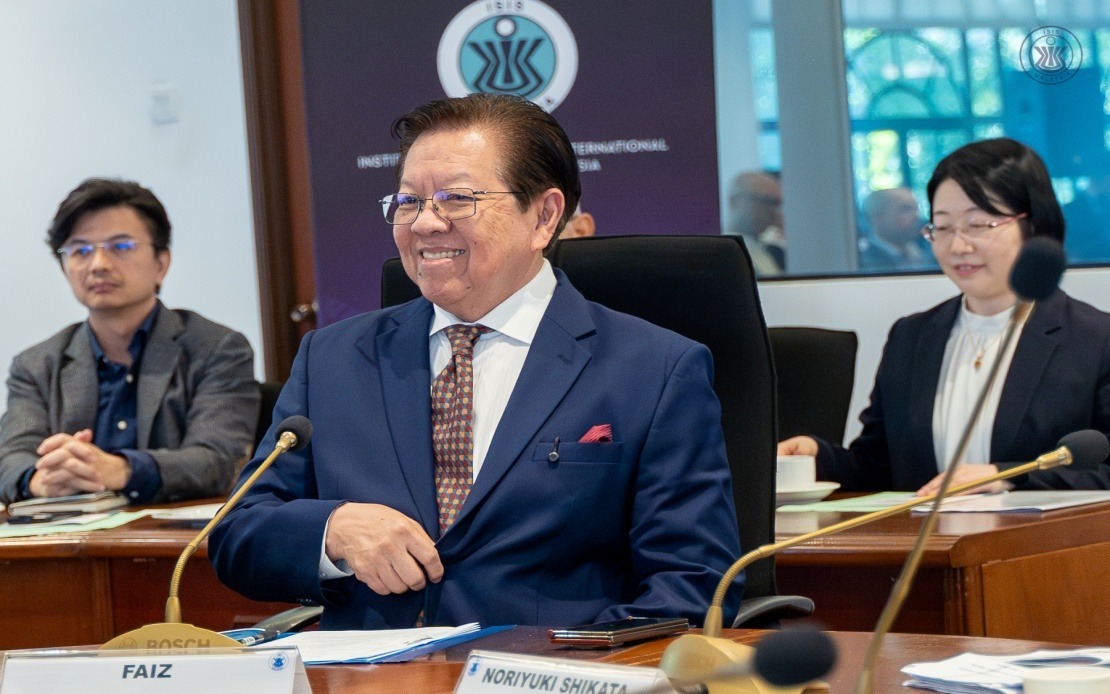
Myanmar's political and humanitarian crisis will dominate conversations at the 39th Asia-Pacific Roundtable, which opens this Tuesday in Kuala Lumpur, with organisers establishing a dedicated caucus to examine the situation in unprecedented depth. The move reflects growing recognition that previous regional forums have skirted around substantive analysis of the country's turmoil, instead adopting carefully neutral diplomatic language that reflects official government positions rather than critical examination.
According to Datuk Prof Dr Mohd Faiz Abdullah, executive chairman of the Institute of Strategic and International Studies Malaysia, the recent ASEAN Summit held in Cebu, Philippines, approached Myanmar discussions with particular restraint. Governments opted for measured rhetoric rather than candid debate, a pattern that led ISIS Malaysia to dedicate specific sessions at the roundtable to encourage frank exchanges among scholars, policy experts, and Myanmar specialists who can speak more openly than official delegations.
The decision to establish a Myanmar-focused caucus signals a shift in how the Asia-Pacific region's premier think-tank forum engages with intractable regional problems. Rather than allowing institutional caution to suppress nuanced discussion, the roundtable creates structured space for practitioners from across the region to drill deeper into causes, consequences, and potential pathways forward regarding Myanmar's ongoing instability. This approach acknowledges that Track 2 diplomacy—dialogue conducted by non-governmental experts rather than official representatives—often succeeds precisely because participants can explore sensitive topics without governmental constraints.
Beyond Myanmar, the 39th Asia-Pacific Roundtable encompasses an expansive agenda reflecting contemporary geopolitical preoccupations throughout Asia and the Pacific. Territorial disputes in the South China Sea will feature prominently, as they persistently do at regional forums given their implications for maritime security, trade routes, and the balance of power between major powers. Instability in West Asia, including ongoing conflicts and their ripple effects across global energy markets, will receive substantive examination. The conference will also address interconnected economic challenges including tariff regimes, energy shortages that threaten regional development, and the rapid advancement of artificial intelligence technologies that demand urgent policy frameworks.
The breadth of the agenda underscores the roundtable's evolution from a regional caucus into a globally significant strategic dialogue platform. When the Asia-Pacific Roundtable convened for the first time 39 years ago, it assembled between 30 and 40 participants, primarily from Southeast Asia. This year's edition draws approximately 400 participants representing 30 countries, a trajectory that demonstrates sustained international confidence in the forum's analytical rigor and candid discussion format. The expansion reflects both the importance of Asia-Pacific issues to global security and prosperity, and the trust that leading policymakers and intellectuals place in this particular gathering.
The roundtable is structured around this year's thematic emphasis: "Accelerating agency and action." This framing builds on previous iterations that explored concepts of interregnum—the transitional period when old orders dissolve and new arrangements crystallise—and recalibration of regional relationships. The current theme directs participants toward identifying concrete catalysts for regional progress and recognising emerging leadership voices amid volatile geopolitical shifts. Rather than passive analysis of structural forces beyond anyone's control, the roundtable challenges participants to consider how governments, businesses, and civil society actors can exercise agency and drive outcomes aligned with regional stability and prosperity.
Organised by ISIS Malaysia on behalf of ASEAN-ISIS, a network linking Southeast Asia's leading policy research institutions and think-tanks, the roundtable functions as the premier Track 2 diplomatic gathering in the region. International assessments rank it among the world's top 20 strategic and security-focused conferences, placing it alongside more established forums while reflecting the particular salience of Asia-Pacific dynamics for global affairs. This status attracts high-calibre thinkers, policymakers, and business leaders who engage in substantive, frank, and constructive conversation rather than the diplomatic recitations common at official government conferences.
For Malaysian observers and policymakers, the roundtable carries particular relevance. As ASEAN chair and a significant Southeast Asian economy with substantial interests across the region's security architecture, Malaysia benefits from forums that foster regional dialogue and collective problem-solving. The Myanmar caucus, in particular, enables Malaysian thinkers to contribute perspectives on a neighbour whose instability poses direct implications for the region's stability, refugee flows, and the credibility of ASEAN's collective response mechanisms. Similarly, the emphasis on South China Sea dynamics affects Malaysia directly, given its maritime disputes and economic reliance on unobstructed sea lanes.
The roundtable's three-day duration, running from June 30 to July 2, allows sufficient time for substantive deliberation beyond the superficial treatment typical of shorter conferences. Participants can reconvene across multiple sessions, allowing ideas introduced in morning plenaries to be developed, contested, and refined in afternoon breakout discussions and evening side meetings. This format generates the kind of cumulative intellectual engagement that produces actionable insights for policymakers and updated strategic thinking for regional analysts.
Through both formal sessions and the dedicated Myanmar caucus, the 39th Asia-Pacific Roundtable demonstrates how regional institutions navigate the tension between diplomatic courtesy and analytical honesty. By creating structured space for frank discussion among non-governmental experts, the roundtable preserves the possibility of serious engagement with difficult topics that official channels often sidestep. For Southeast Asia and the broader Asia-Pacific region facing interconnected challenges from geopolitical competition to economic disruption to humanitarian crises, such forums remain essential mechanisms for generating the shared understanding and innovative thinking necessary for effective collective response.

