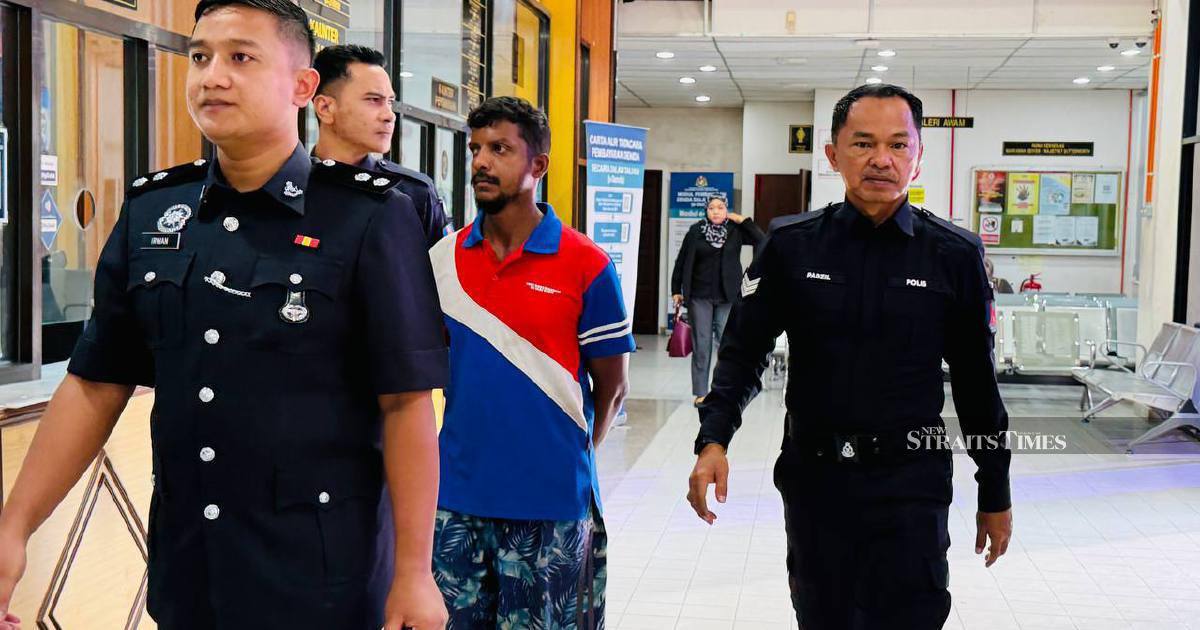
A Myanmar citizen faced serious assault charges in Butterworth Sessions Court today, with the court declining to grant bail while authorities verify his identity credentials. The defendant is accused of inflicting grievous hurt on a fellow Myanmar national during an incident last week, marking another case in the region's cross-border migrant-related criminal matters.
The grievous hurt charge carries significant legal weight under Malaysian law, distinguishing it from simple hurt charges by encompassing injuries that result in permanent disfigurement, loss of limb functionality, or danger to life. Prosecutors must demonstrate that the injuries caused fell into this more serious category, which typically results in more substantial sentencing recommendations compared to minor assault cases. The specificity of this charge indicates that investigating officers determined the victim sustained injuries meeting the statutory threshold for aggravated assault rather than common hurt.
The court's decision to withhold bail pending identification verification highlights a recurring challenge in Malaysian law enforcement involving migrant workers and irregular residents. Without proper travel documents or national identity recognition, courts often struggle to assess flight risk and ensure the defendant's availability for future proceedings. This procedural safeguard protects both the judicial process and victims' interests by preventing accused persons from absconding across maritime borders or into neighbouring jurisdictions where extradition can prove complicated.
Myanmar nationals represent a substantial portion of migrant worker populations throughout Malaysia and the broader Southeast Asian region, with many employed in construction, manufacturing, domestic service, and agricultural sectors. This demographic concentration in certain industries and communities occasionally correlates with conflict incidents, though such crimes remain statistically uncommon relative to the overall migrant population. Inter-community disputes among workers from the same nationality sometimes escalate when mediation attempts fail and one party initiates formal criminal complaints through police channels.
The incident occurred just days before the court appearance, suggesting rapid police investigation and charging decisions. Malaysian authorities have invested considerably in improving case processing timelines for criminal matters involving foreign nationals, recognising that delays can complicate prosecution and witness cooperation. The relatively swift progression from alleged incident to formal charges reflects operational improvements in cross-border crime investigation, particularly relevant given Myanmar's geographical proximity to Peninsular Malaysia's northwestern regions.
Butterworth, located in Penang state on the mainland, serves as a key commercial and transit hub with substantial migrant worker populations. The district court system in Penang regularly handles cases involving foreign nationals, developing institutional experience in managing documentation, translation services, and cross-border victim coordination. Sessions Court jurisdiction covers more serious indictable offences, placing this grievous hurt charge in the upper tier of criminal matters processed through district-level courts.
Identification document verification frequently requires liaison with Myanmar embassy or consulate officials, adding procedural complexity that can extend bail determination timelines. Malaysian courts generally respect immigration-related documentation concerns, particularly when accusations suggest the accused may not be lawfully resident in the country. This intersection of criminal law and immigration enforcement creates procedural requirements that distinguish cases involving foreign nationals from those involving Malaysian citizens with straightforward documentary verification.
The bail refusal carries practical consequences for the defendant's pre-trial conditions, likely resulting in continued detention pending the next court mention when identification matters are resolved. Extended remand pending documentation can extend significantly, particularly if embassy verification processes move slowly or if the accused lacks cooperative family members to facilitate document retrieval. This procedural delay sometimes motivates defendants to engage legal representation more actively, as bail applications can be renewed when new circumstances or documentation becomes available.
Neighbouring country nationals in Malaysian courts frequently experience such documentation-related proceedings, as cross-border identity verification remains complex despite regional cooperation frameworks. ASEAN integration efforts have not fully streamlined identity verification protocols, leaving each country's courts to navigate bilateral verification channels. Myanmar, facing its own domestic challenges, has not always maintained efficient consular services abroad, further complicating cases requiring embassy cooperation.
The victim's status as a fellow Myanmar national may influence prosecution strategy and witness cooperation dynamics. Co-national assault cases sometimes involve cultural considerations or community mediation preferences that differ from incidents between nationals of different countries. However, once formal charges proceed through Malaysian courts, statutory procedures and evidentiary standards apply uniformly regardless of victim nationality, ensuring equal legal protection for all persons within Malaysian jurisdiction.
Future court mentions will likely address both the identification verification outcome and substantive case progression, potentially including preliminary examination proceedings or bail renewal applications. The Sessions Court's involvement indicates prosecutors intend to pursue the matter seriously, as they retain discretion to withdraw charges or reduce severity in appropriate circumstances. The coming weeks will determine whether documentation issues resolve swiftly or whether they protract the pre-trial process substantially.