Malaysia's regulatory approach to tackling anti-competitive practices is entering a new phase with the anticipated passage of the Competition (Amendment) Bill 2026, which equips the Malaysia Competition Commission with sophisticated enforcement mechanisms designed to expose and dismantle cartel operations. The legislation introduces financial inducements for whistleblowers and expanded settlement frameworks that fundamentally reshape how the competition regulator engages with both informants and offending enterprises, addressing long-standing gaps in the existing competition framework that have hindered investigations into collusive business conduct.
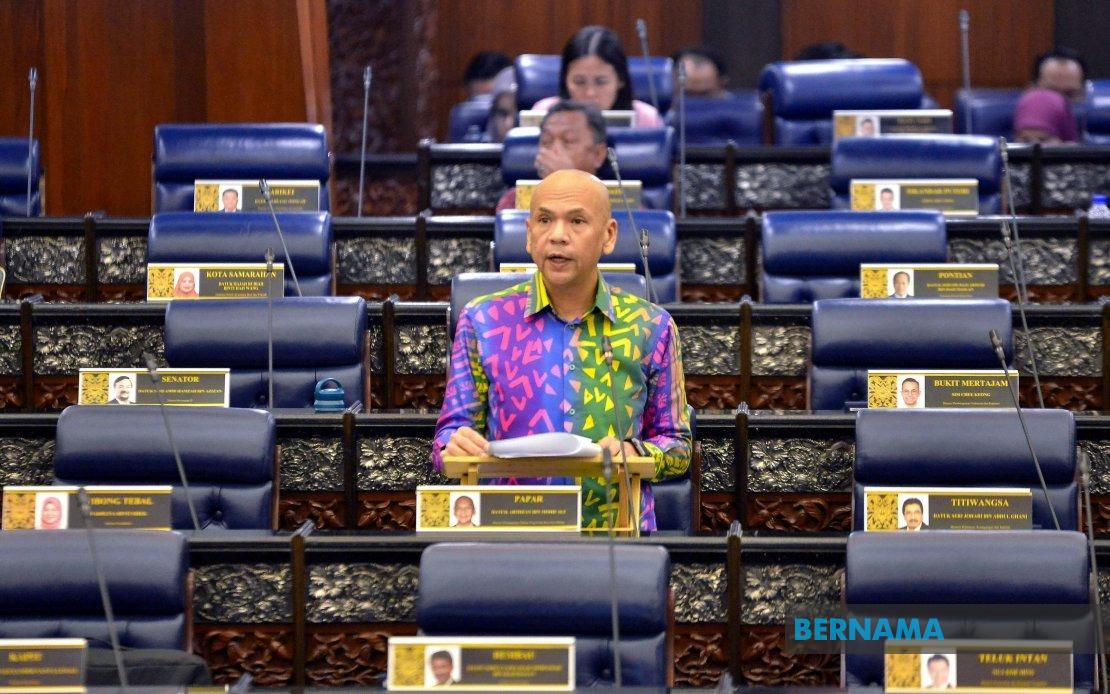
Domestic Trade and Cost of Living Minister Datuk Armizan Mohd Ali outlined the amendments as a watershed moment for MyCC's capacity to pursue cartels, particularly concerning illegal arrangements involving price-fixing, market-sharing, and output restrictions that harm consumers and distort market competition. The introduction of Section 64B establishes a dedicated mechanism for compensating whistleblowers whose information directly contributes to identifying cartel arrangements, marking the first time Malaysian competition law explicitly provides for financial rewards to incentivise disclosure of anti-competitive activity. This shift recognises a reality evident across jurisdictions with mature competition regimes: insiders frequently possess the most detailed knowledge of cartel operations, yet lack sufficient protection and motivation to come forward without explicit guarantee of reward.
The settlement framework embodied in Section 38A represents an equally significant innovation, allowing companies that voluntarily acknowledge their role in anti-competitive conduct during early investigation stages to obtain penalty reductions of up to 40 per cent. This mechanism serves dual purposes within enforcement strategy: it materially reduces the financial burden on cooperating firms, thereby encouraging early admissions and guilty pleas rather than protracted litigation, while simultaneously allowing MyCC to redeploy investigative resources toward other priority cases or deeper scrutiny of non-cooperating parties. Minister Armizan emphasised that such arrangements optimise the regulator's limited investigative capacity, a critical consideration given the complexity of cartel investigations and the often substantial costs associated with building prosecution-quality evidence.
A fundamental constraint in Malaysia's current competition enforcement framework stems from the Whistleblower Protection Act 2010, which was designed exclusively for criminal matters and disciplinary offences rather than civil competition disputes. This legislative mismatch has created a protection vacuum affecting individuals contemplating disclosure of competition violations, since the Act's definition of protected misconduct excludes civil matters entirely. The proposed Sections 64A and 64B directly remedy this deficiency by constructing a parallel whistleblower protection architecture specifically tailored to civil competition cases, ensuring that individuals providing information about cartels receive explicit legal safeguards against retaliation, dismissal, or other adverse employment consequences. This protective framework becomes essential once cash incentives enter the picture, as potential whistleblowers require confidence that coming forward will not result in termination or blacklisting within their industry.
The expanded definition of "enterprise" under the amendments reflects recognition that cartel conduct frequently operates through industry associations, professional bodies, and collective decision-making forums rather than exclusively through direct corporate engagement. By broadening the scope beyond purely commercial activities to encompass all economic activities, MyCC obtains statutory authority to investigate associations whose collective decisions—even if procedurally legitimate—function as vehicles for cartel arrangements among member firms. This expansion proves particularly relevant in Malaysian contexts where industry associations exercise substantial influence over member conduct and market conditions, from professional services through to manufacturing and distribution sectors where collective action can mask individual participant collusion.
The legislative timeline demonstrates momentum toward strengthening Malaysia's competition enforcement architecture before the end of the current parliamentary session. The Competition (Amendment) Bill 2026 advanced through policy stage debate and proceeds to committee stage, with the Competition Commission (Amendment) Bill 2026 scheduled for second reading during the same parliamentary sitting. This paired advancement suggests these measures represent priority government policy, reflecting apparent commitment to fortifying the regulatory environment for competition matters despite the inevitable adjustment costs for enterprises adjusting internal compliance practices.
For Malaysian businesses, particularly those operating in cartel-prone sectors, these amendments signal heightened enforcement risk and necessitate immediate reassessment of supplier relationships, industry association participation, and pricing practices that could intersect with prohibited conduct. Companies engaging in any form of collective decision-making with competitors—whether through formal associations or informal coordination—face materially increased detection probability once whistleblower incentives activate and MyCC's investigative net widens. The settlement framework presents both opportunity and risk: early cooperation following detection offers material financial benefits, yet remaining silent once investigations commence forecloses access to penalty reductions and exposes firms to maximum liability.
Regionally, Malaysia's movement toward more sophisticated cartel enforcement tools aligns with practices established across major Asian economies where whistleblower programs and settlement mechanisms have become standard features of competition enforcement. Singapore's Competition Commission and other ASEAN regulators have operated under comparable frameworks, making Malaysian harmonisation partly responsive to regional competitive dynamics and cross-border cartel activity that frequently involves multinational enterprises operating across multiple Southeast Asian jurisdictions. The development may influence how international cartels calculate risk when considering regional market participation, potentially rendering Malaysia a less attractive venue for illicit collusion as enforcement credibility and detection probability increase.
The financial reward component deserves particular attention within Malaysia's enforcement context, as it introduces explicit recognition that cartel information possesses economic value and that compensating sources represents efficient resource allocation for competition enforcement. Unlike criminal whistleblower programs where financial incentives remain comparatively limited, competition whistleblower schemes in mature enforcement regimes typically provide substantial rewards calculated as percentages of fines imposed or consumer harm prevented. The Bill does not specify reward quantum or calculation methodologies, suggesting secondary regulations will establish guidance on payment structures—an important technical detail that will significantly influence whistleblower programme uptake and success rates.
Consumer welfare implications extend beyond direct cartel prevention, as the enforcement mechanisms favour speed and certainty over prolonged litigation. By encouraging early settlements and information disclosure, MyCC can identify and dismantle cartels faster, reducing the duration of consumer price inflation caused by collusive pricing arrangements. This proves particularly consequential in Malaysia given the political sensitivity surrounding cost of living pressures and consumer prices, domains where cartel activity directly translates to household budget constraints and inflation concerns that dominate political discourse.
The amendments fundamentally rebalance enforcement economics between MyCC and investigated enterprises, shifting incentive structures in favour of cooperation and early resolution. Rather than forcing all cases toward contentious adjudication or settlement only after substantial investigation investment, the framework incentivises prompt acknowledgment of wrongdoing in exchange for meaningful penalty mitigation. This represents pragmatic enforcement policy acknowledging that complex cartel investigations consume years and substantial resources while uncertainty deters some potential whistleblowers concerned about litigation duration and ultimate outcomes.

