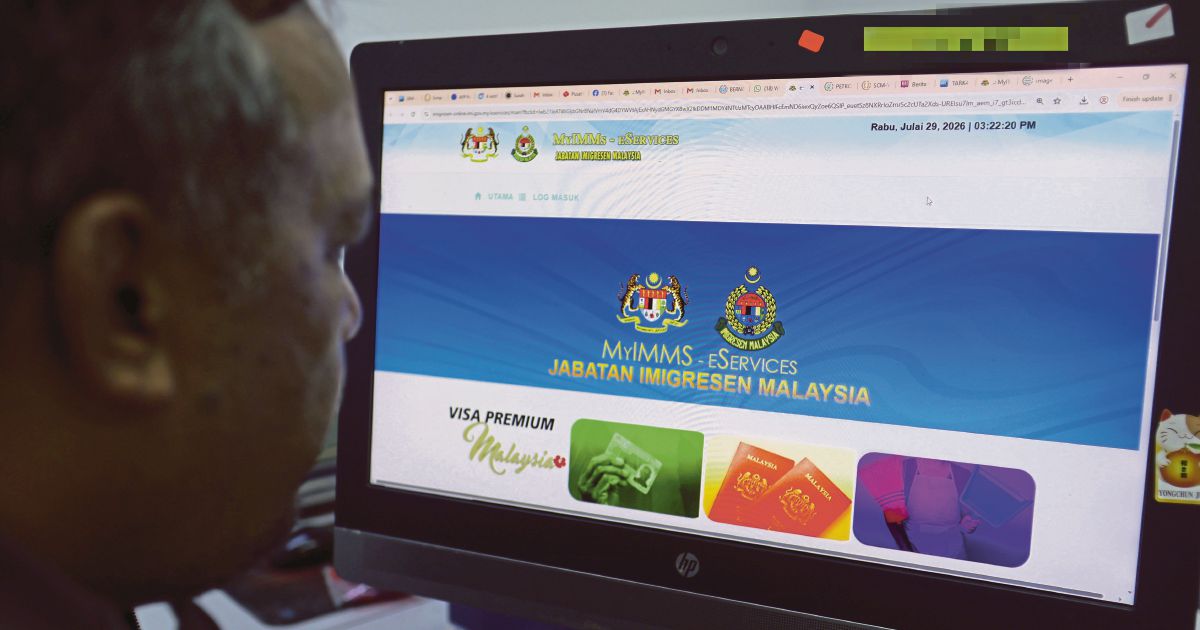
The alleged hacking and data manipulation of the Malaysian Immigration System (MyIMMs) warrants classification as a national security threat rather than a straightforward cybercrime or corruption investigation, according to criminology experts examining the breach. This reframing carries significant implications for how authorities approach the incident and the resources allocated to remedying systemic vulnerabilities that could impact Malaysia's borders and citizens' safety.
The distinction between treating the incident as a conventional cybercrime and viewing it through a national security lens hinges on understanding what systems were compromised and how extensively they were manipulated. Immigration infrastructure sits at the intersection of law enforcement, public safety, and territorial sovereignty. When such systems are penetrated, the consequences extend far beyond financial loss or personal data exposure—they potentially compromise the ability of the state to control entry and exit, track individuals of interest, and maintain accurate population records essential for governance and security operations.
MyIMMs serves as a critical infrastructure component for Malaysia's border management and internal security operations. The system processes millions of travel documents, visa applications, and movement records annually. If the alleged breach involved the manipulation of immigration records, rather than mere data theft, the implications shift fundamentally. The potential ability to alter records—whether adding fake entries, removing legitimate ones, or creating fraudulent documentation—represents not a theft of information but a compromise of the system's integrity itself. This capability could theoretically allow unauthorised individuals to enter the country, enable individuals to move undetected, or facilitate document fraud at scale.
From a national security perspective, immigration system integrity is foundational to counterterrorism, border security, and law enforcement operations. Border agencies rely on MyIMMs to identify persons of interest, enforce travel restrictions, and maintain watch lists. A compromised system could fail to alert authorities to dangerous individuals attempting entry or could permit wanted persons to flee without detection. These scenarios represent security threats of the highest order, transcending typical cybercrime responses and demanding the mobilisation of intelligence agencies, border security forces, and potentially international partners.
The criminologist's assessment suggests that current investigative frameworks, designed primarily for fraud or data theft cases, may be inadequate to the actual scope of the problem. Cybercrime investigations typically focus on identifying perpetrators and recovering stolen data. National security investigations, by contrast, prioritise threat elimination, system restoration, damage assessment across all operations, and prevention of future exploitation. They also frequently involve classified information and international cooperation, given that compromised border systems could affect regional security arrangements and the movement of foreign nationals.
For Malaysia specifically, the timing and nature of the breach carry additional weight. The country sits on major transit routes and hosts significant international populations. A compromised immigration system could have ripple effects throughout Southeast Asia, affecting tourism, business travel, and regional security operations. Neighbouring countries might lose confidence in the reliability of Malaysian immigration records, potentially complicating visa reciprocity and border cooperation arrangements that underpin regional stability.
The reframing also highlights potential gaps in how Malaysia's security apparatus addresses threats to critical infrastructure. If a fundamental system like MyIMMs could be penetrated and allegedly manipulated without immediate detection, it raises questions about whether other critical systems—customs, port management, or inter-agency databases—face similar vulnerabilities. A comprehensive national security investigation would necessarily examine how the breach occurred, how long it persisted undetected, who had access to manipulation capabilities, and what other systems might be compromised through similar methods.
Authorities responding to the breach face pressure to balance transparency with security. Detailed disclosures about vulnerabilities could enable further attacks or provide useful intelligence to adversaries. Yet public confidence in immigration operations demands some accountability and evidence of corrective action. This tension is central to why security experts treat such breaches differently from typical cybercrime—the stakes involve public trust in government systems and confidence in national sovereignty itself.
The investigation must also consider whether the breach represents an isolated incident or part of a broader campaign against Malaysian infrastructure. If the MyIMMs penetration occurred alongside attempts to access other government systems, it suggests coordinated activity requiring intelligence-level response. The identity and motivation of perpetrators—whether criminal, foreign intelligence services, or activist groups—fundamentally shapes the appropriate governmental response and the actual threat level to national security.
Moving forward, treating MyIMMs as a national security matter rather than routine cybercrime would likely trigger establishment of inter-agency task forces, heightened classification of investigation details, mandatory integration with intelligence operations, and more substantial resource allocation than typical cybercrime cases receive. It would also establish a higher evidentiary bar for prosecution and potentially expand the pool of responsible agencies beyond the police force to include military and intelligence organisations.
For Malaysian citizens and businesses, the distinction matters considerably. A national security framework implies authorities are conducting a more thorough examination of what was accessed and manipulated, taking more aggressive steps to prevent recurrence, and potentially implementing more stringent immigration procedures temporarily. It also signals that the government regards the incident with greater seriousness than would be apparent if handled as straightforward corruption.
The criminologist's recommendation effectively challenges how Malaysia's institutional framework addresses threats to government systems. Standard cybercrime procedures may be inadequate when the compromised system relates directly to national borders, population records, and security operations. As more nations confront sophisticated attacks on immigration infrastructure, the distinction between cybercrime and national security threats will likely shape how investigations, remediation, and institutional reforms proceed.

