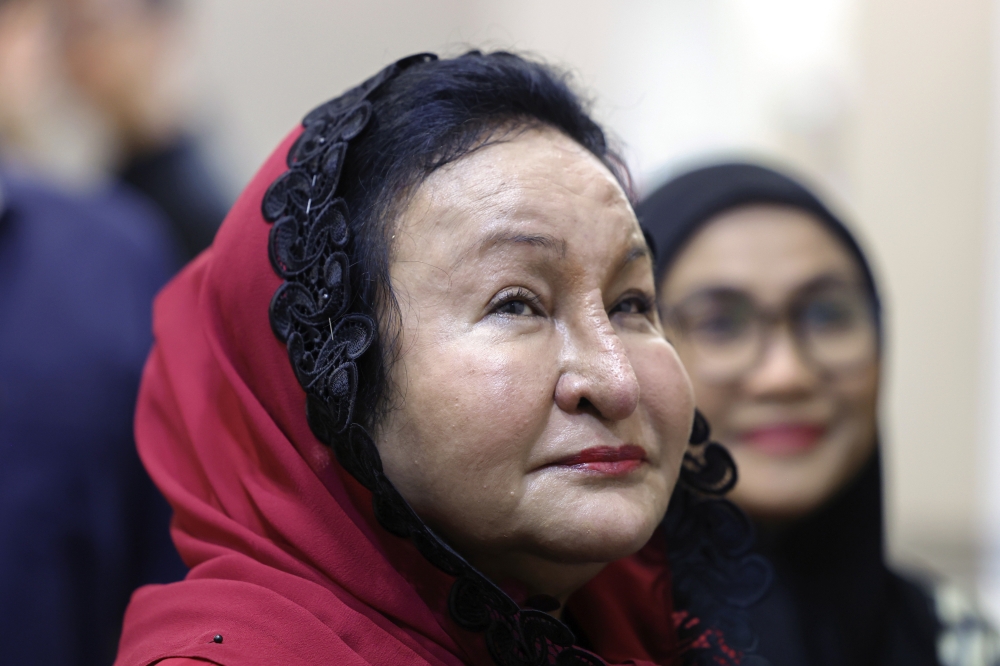
Former Prime Minister Datuk Seri Najib Razak is set to undergo a scheduled medical procedure aimed at removing plaque accumulation near a blood vessel, his wife Datin Sri Rosmah Mansor revealed in a statement on July 19. The intervention represents a routine but necessary measure to maintain cardiovascular health and prevent potential complications from arterial blockage. Rosmah's disclosure of her husband's medical appointment underscores the ongoing personal circumstances of the former leader, who remains a prominent but controversial figure in Malaysian politics following his tenure as Prime Minister from 2009 to 2018.
The nature of the procedure—specifically targeting plaque removal from near a blood vessel—suggests a minimally invasive vascular intervention commonly employed in modern cardiology. Such procedures are typically performed to improve blood flow and reduce the risk of stroke or other cardiovascular events. The decision to move forward with the treatment indicates that medical professionals have assessed the condition as requiring intervention, though such vascular procedures are generally considered routine in contemporary healthcare settings. For a public figure of Najib's stature, undertaking medical procedures carries both personal health implications and an element of public interest, given his continued prominence in national discourse.
Rosmah's confirmation of the procedure comes amid the former Prime Minister's ongoing legal and political circumstances. Najib has faced multiple corruption charges related to his administration and has maintained his innocence throughout various legal proceedings. His health status and medical appointments occasionally attract public attention, particularly given his age and the intensity of legal battles that have occupied much of his time since leaving office. The disclosure of medical information is relatively uncommon for prominent Malaysian political figures, suggesting either a desire for transparency or practical necessity in managing public expectations during any period of reduced public engagement.
The timing and nature of such health interventions often require the patient to observe recovery periods, which could potentially affect Najib's participation in public and political activities. His supporters and opponents alike maintain interest in his wellbeing and continued involvement in national affairs. The former Prime Minister has remained active in various capacities despite his legal challenges, including maintaining a presence in political discourse through statements and public appearances. Any extended medical recovery could influence his involvement in ongoing political developments or legal matters requiring his attention.
From a broader perspective, the public disclosure highlights the reality that high-profile political figures are subject to the same health vulnerabilities as the general population. Cardiovascular issues are prevalent across Malaysia and Southeast Asia, reflecting regional health trends and the aging demographic profile of many public figures who rose to prominence several decades ago. The accessibility of advanced medical procedures such as plaque removal reflects Malaysia's positioning within the region's healthcare landscape, with facilities in Kuala Lumpur comparable to international standards.
Rosmah's role in announcing her husband's medical status underscores the significance of family members in managing public information around prominent political figures. The former First Lady has remained a visible presence in Malaysian public life and media coverage, often serving as a spokesperson or source of information regarding Najib's personal circumstances. Her willingness to disclose health information suggests a calculated approach to managing the family's public image and demonstrating normalcy amid the controversies that have defined their post-premiership period.
The procedure's timing during the middle of 2024 occurs within a broader context of Malaysian political developments and ongoing judicial processes. Various legal proceedings involving Najib and related figures have continued through the courts, and any medical absences would need to be coordinated with his legal obligations and court appearances. The management of such administrative and personal matters reflects the complex intersection of political prominence, legal responsibility, and personal health management that characterizes the lives of former senior government officials.
Medically, the removal of arterial plaque represents a preventive approach to cardiovascular health management. Early intervention to address such blockages can significantly reduce the risk of serious health events and improve overall quality of life. The advancement of minimally invasive techniques has made such procedures increasingly routine, with relatively short recovery periods compared to historical surgical approaches. For a public figure whose schedule may be demanding, such modern medical approaches allow for treatment with minimal disruption to daily activities once recovery is complete.
Looking forward, the outcome of Najib's procedure and his recovery trajectory will likely remain subject to public interest and speculation. As a former Prime Minister and ongoing political figure, any health developments carry potential implications for his continued engagement in political matters, legal proceedings, and public life. The disclosure of his medical situation reflects a broader trend of political figures managing health information in an era of constant media scrutiny and public information dissemination.

