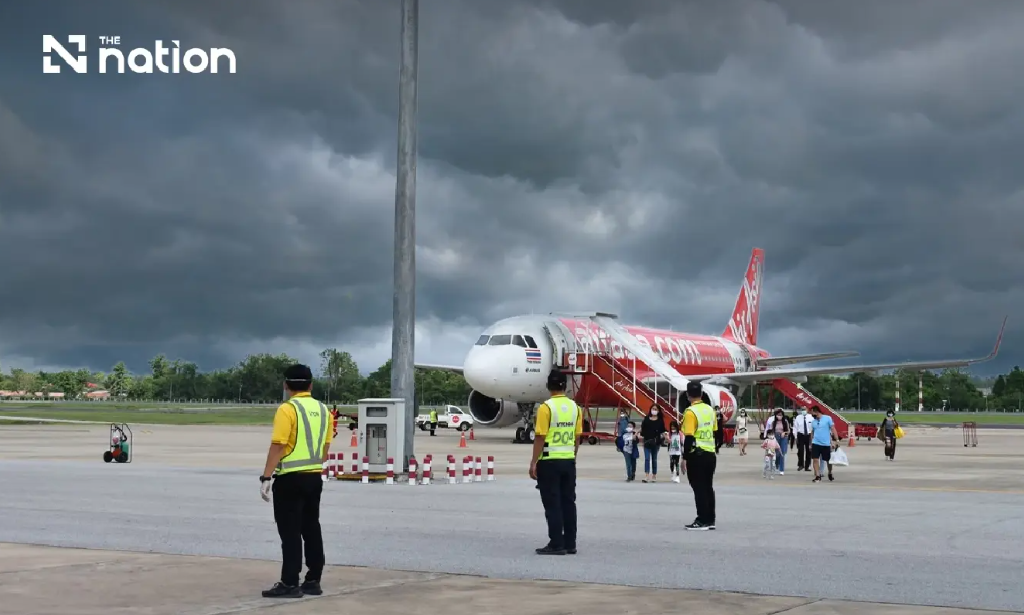
Nan Nakhon Airport in Thailand's northern Nan province is maintaining scheduled flight operations despite heavy rain and flooding that has severely disrupted road access to the facility, civil aviation authorities confirmed on Wednesday. The Civil Aviation Authority of Thailand (CAAT) acknowledged the challenging conditions while emphasising that the airport itself remains functional, though passengers face significant logistical obstacles in reaching the terminal.
The flooding situation across Nan province is considerable. Flash flooding in Pua district alone has affected 12 subdistricts and 107 villages, prompting Deputy Transport Minister Phattharaphong Phattharaprasit to order the Department of Airports (DOA) into heightened alert status. The cascading effects of these weather conditions mean that while aircraft can still operate, the journey from Nan's towns and villages to the airport has become treacherous and unpredictable. The CAAT has urged prospective passengers to check road and traffic conditions before attempting the journey, cautioning that travel times could stretch to three or four hours under normal circumstances—considerably longer now given waterlogged routes.
The practical challenges became evident almost immediately when Thai AirAsia flight FD3354, scheduled to arrive from Bangkok's Don Mueang Airport at 8:30am on Wednesday, encountered heavy rain and poor visibility that made landing impossible. The flight was diverted to Chiang Mai Airport, approximately 200 kilometres away, as a safety precaution. However, after conditions improved slightly, the aircraft returned and successfully landed at Nan Nakhon Airport at 11:15am, according to Department of Airports director-general Danai Ruangsorn. This incident underscores the volatility of flight operations during the monsoon season and the unpredictable nature of weather-related disruptions in the region.
Responding to the crisis, Thai authorities have implemented comprehensive emergency protocols designed to maintain operational continuity while prioritising passenger safety. The DOA has established round-the-clock surveillance of the airport and surrounding areas, with particular attention to water management. Airport staff are continuously monitoring water levels both inside and outside the terminal building and inspecting drainage channels for blockages that could impede water flow and create hazardous conditions on taxiways and aprons. These seemingly technical measures are essential in maintaining the physical infrastructure required for safe aircraft operations.
Beyond immediate airport management, authorities are addressing broader systemic vulnerabilities. Backup generators have been positioned to provide power should the Provincial Electricity Authority's distribution network fail under the stress of flood conditions—a realistic concern in a region experiencing water inundation. Officials have established coordination protocols linking the airport directly with air traffic control, meteorological services, disaster prevention and mitigation offices, and the electricity authority, creating a responsive network that can quickly adapt to changing conditions and communicate hazards to relevant parties.
The government has also recognised the airport's role as a humanitarian lifeline during disaster response. The DOA has been instructed to facilitate flights operated by government agencies and private organisations delivering emergency assistance to flood-affected communities. This directive acknowledges that even as the airport grapples with weather-related challenges, it serves a critical function in delivering relief supplies and personnel to isolated areas. Deputy Transport Minister Phattharaphong has moreover directed the DOA to prepare longer-term support for residents once floodwaters recede, suggesting reconstruction efforts will require sustained logistical coordination.
For passengers navigating this disrupted transport landscape, understanding their rights is crucial. The CAAT has reminded travellers that they are protected under Civil Aviation Board Regulation No. 101, which establishes baseline protections for passengers on scheduled domestic and international flights. This regulation specifies airline responsibilities during disruptions, including mandatory provision of information and assistance to affected passengers. However, the extent of compensation and support available depends on whether delays, cancellations, or denied boarding result from factors classified as within or beyond airline control. Weather-related disruptions, particularly natural disasters, typically fall into categories where compensation obligations are limited or non-existent, though airlines remain obligated to provide essential information and material assistance.
The situation at Nan Nakhon Airport reflects broader vulnerabilities across Southeast Asian aviation infrastructure during monsoon seasons. Thailand's northern and northeastern regions experience particularly severe flooding annually, testing the resilience of both airports and ground transportation networks. Airlines operating in these regions must maintain sophisticated contingency planning, including diversion procedures, crew repositioning protocols, and passenger accommodation arrangements. For regional carriers and passengers accustomed to this seasonal pattern, disruptions, while inconvenient, are anticipated risks requiring flexible travel schedules and realistic expectations.
Looking forward, passengers planning travel through Nan Nakhon Airport should treat current conditions as a baseline for the immediate future. Weather patterns in August typically bring continued heavy rainfall across northern Thailand, meaning the airport may experience intermittent disruptions over the coming weeks. The CAAT's advisory that travellers check flight status with airlines before departure and allow extended journey times to the airport reflects the reality that conditions can shift rapidly, rendering morning forecasts obsolete by afternoon. Ground transport remains the primary vulnerability in this scenario—the airport itself can continue operating, but accessing it reliably requires navigating waterlogged provincial roads that authorities continue to monitor and, where possible, repair.
The coordination of emergency response across multiple government agencies demonstrates Thailand's capacity to manage infrastructure during crises, though the fundamental challenge remains climate vulnerability. As climate patterns intensify seasonal weather extremes, airports in regions prone to flooding must invest in elevating critical infrastructure, improving drainage systems, and developing more sophisticated early-warning mechanisms. For Malaysia and other Southeast Asian nations with similar geographic and meteorological profiles, the Nan situation offers instructive lessons in balancing operational continuity with safety imperatives during natural disasters.

