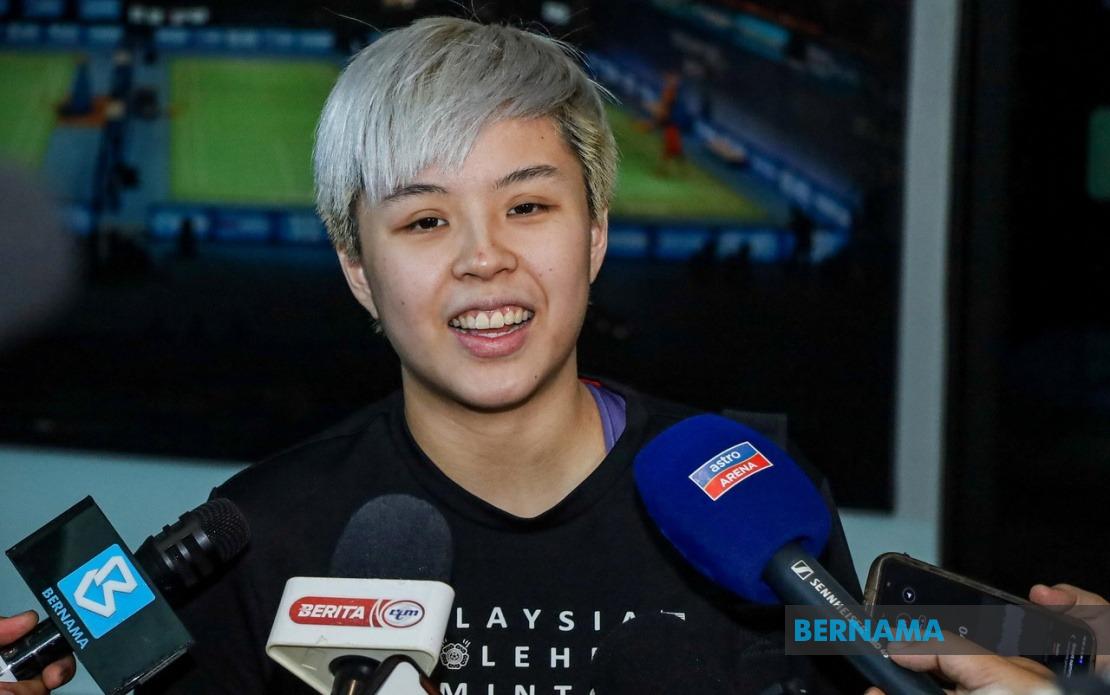
National mixed doubles badminton player Toh Ee Wei has successfully undergone anterior cruciate ligament (ACL) reconstruction surgery on her left knee at a Melbourne, Australia facility, marking a critical milestone in her recovery from an injury sustained during competitive play last month. The Badminton Association of Malaysia confirmed the procedure was completed on June 30, with the athlete now entering the intensive rehabilitation phase that will determine her timeline for returning to international competition.
Ee Wei's injury occurred during the quarter-final round of the Singapore Open 2026 in May, an incident that forced her withdrawal from subsequent tournaments and raised concerns about the long-term impact on her career trajectory. The ACL, a crucial ligament providing rotational stability to the knee joint, is particularly vulnerable in badminton due to the sport's explosive lateral movements, rapid direction changes, and high-impact footwork demands. A complete tear necessitates surgical intervention to restore functional stability and prevent further damage to surrounding cartilage and menisci.
The decision to undergo surgery in Melbourne rather than domestically reflects the Malaysian team's confidence in accessing world-class orthopedic expertise and sports medicine facilities available in Australia. Melbourne hosts several renowned sports medicine centres that specialise in treating elite athletes, and the choice demonstrates BAM's commitment to ensuring Ee Wei receives optimal surgical technique and post-operative care protocols comparable to those available to professional athletes competing at the highest international levels.
In her statement, Ee Wei expressed relief and gratitude for the successful outcome while acknowledging the emotional and physical toll of the injury period. Her emphasis on full commitment to rehabilitation indicates a realistic understanding that ACL recovery is not merely a surgical matter but a comprehensive rebuilding process typically spanning six to nine months before athletes can safely return to competitive intensity. The psychological dimension of recovery—rebuilding confidence in the knee's stability and managing fear of re-injury—often proves as challenging as the physical conditioning work itself.
BAM's pledge to provide continuous medical and rehabilitation support throughout Ee Wei's recovery addresses a critical concern for athletes managing serious injuries. Professional rehabilitation requires coordinated input from orthopedic surgeons, physiotherapists, strength and conditioning specialists, and sports psychologists. In Malaysia's badminton ecosystem, where national team players receive institutional backing, this comprehensive approach helps bridge the financial and logistical gaps that might otherwise limit recovery outcomes for athletes without such support structures.
The timing of Ee Wei's injury and subsequent surgery intersects with Malaysia's broader badminton calendar. The Singapore Open represents a prestigious regional tournament that attracts top-ranked pairs from across Southeast Asia and beyond. Missing competitive opportunities during the recovery period creates ripple effects for rankings, partnership dynamics, and preparation schedules leading toward major championships. Ee Wei's absence from tournaments will be keenly felt by Malaysian fans who have followed the mixed doubles category closely in recent seasons.
Mixed doubles badminton in Malaysia occupies a significant place within the national sporting identity, with the discipline historically producing world-class partnerships that have captured regional and global titles. The loss of any player from this competitive pool, even temporarily, affects the competitive balance of training environments and partnership combinations. BAM will likely need to reassess mixed doubles strategic planning and tournament entries during the period when Ee Wei cannot compete, while simultaneously supporting her rehabilitation to ensure her eventual return does not mark a permanent decline in competitiveness.
The medical management of ACL injuries in professional badminton has evolved considerably, with contemporary surgical techniques and rehabilitation protocols yielding substantially better outcomes than treatment approaches from previous decades. Modern reconstruction procedures utilise autograft or allograft tissue to replace the damaged ligament, followed by progressive loading protocols that gradually restore strength, proprioception, and functional capacity. The evidence base supporting early mobilisation and aggressive rehabilitation has pushed recovery timelines forward, though individual variation remains substantial.
Ee Wei's recovery will likely include several distinct phases: initial post-operative management focusing on reducing swelling and restoring basic range of motion; intermediate strengthening targeting the quadriceps and hamstring muscles that protect the reconstructed ligament; and advanced functional training incorporating sport-specific movements and agility work. Only after demonstrating adequate strength symmetry and proprioceptive control will she progress to controlled badminton-specific drills, competitive simulations, and ultimately tournament participation. This staged approach prevents premature return-to-play that could compromise the surgical reconstruction and trigger re-injury.
The broader context of badminton injuries in Malaysia deserves attention, as understanding injury patterns and prevention strategies remains underdeveloped compared to other major sports. While BAM provides support to injured athletes like Ee Wei, systematic data collection regarding injury epidemiology, risk factors, and prevention interventions could enhance the overall health and longevity of Malaysia's badminton talent pipeline. Investment in injury prevention screening, biomechanical analysis, and training periodisation protocols could potentially reduce serious knee injuries among the national player pool.
For Malaysian badminton enthusiasts following Ee Wei's journey, the successful surgery represents a positive signal but not a conclusion. The real test begins during rehabilitation, as athletes must navigate the demanding and sometimes frustrating process of rebuilding physical capacities while managing psychological obstacles. Her explicit commitment to the recovery process and the institutional support she will receive from BAM provide reasonable grounds for optimism regarding her eventual return to competitive badminton at the elite level where she has previously competed.

