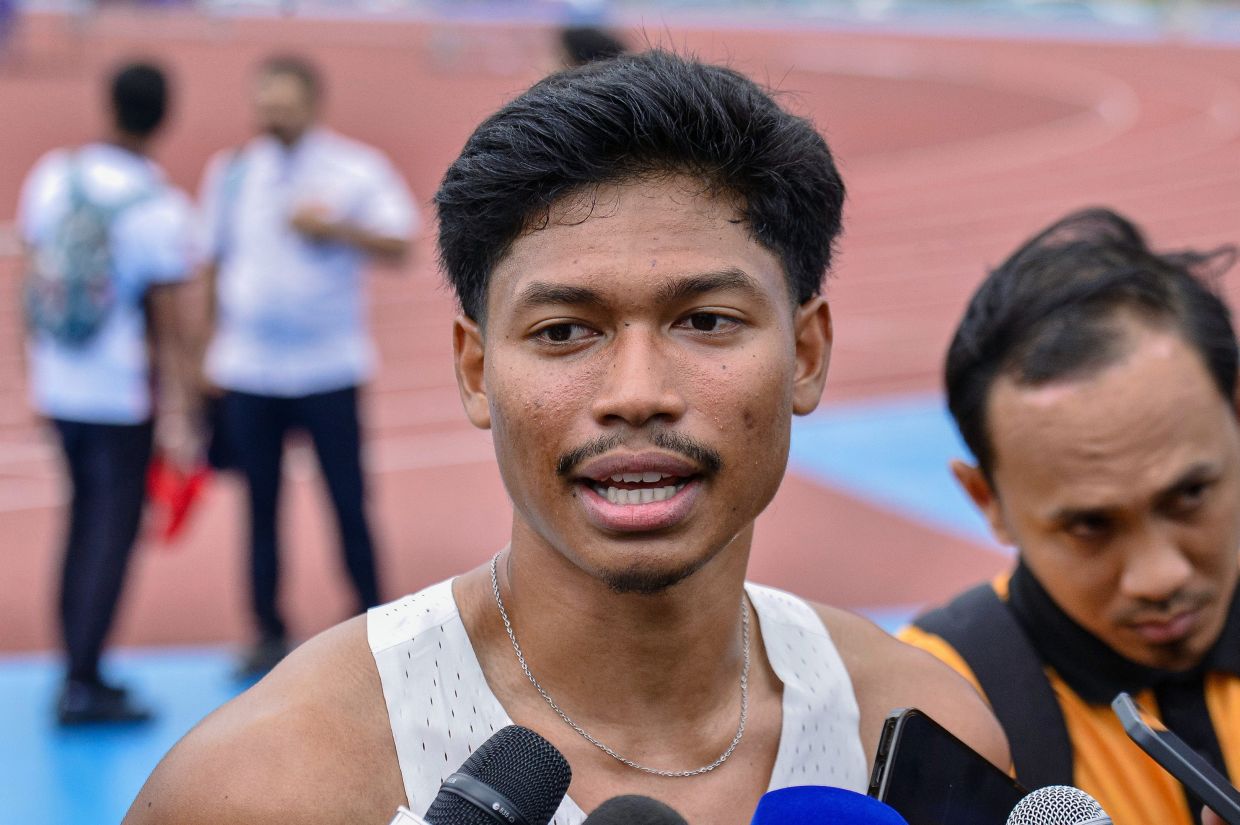
Mohd Azeem Fahmi, Malaysia's rising sprint talent, is set to return home for postgraduate education, enrolling in a master's programme at Universiti Malaya following his recent graduation from Auburn University in Alabama. The decision marks a significant moment in the athlete's career trajectory, as he transitions from international university competition back to Malaysia's premier research institution. Azeem's move represents a growing trend among young Malaysian athletes who balance elite sporting ambitions with rigorous academic pursuits, setting a template for aspiring sportspeople navigating dual careers.
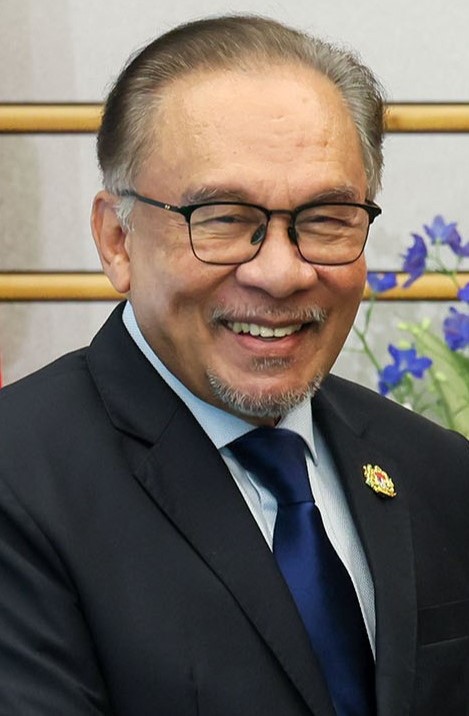
The sprinter's enrolment was formally welcomed during a courtesy visit to UM's administrative offices, where he met with vice-chancellor Prof Datuk Seri Dr Noor Azuan Abu Osman. The formal reception underscores the university's commitment to supporting athlete-scholars, with senior officials from the Faculty of Sports and Exercise Sciences and the Sports Centre present to facilitate Azeem's transition. The vice-chancellor explicitly committed to creating an optimal pathway for the young sprinter's postgraduate journey, signalling institutional backing that extends beyond standard student services to encompass tailored athletic and academic support structures.
Azeem spent two formative years in the United States, arriving in January 2023 to pursue undergraduate studies in exercise physiology and kinesiology at Auburn University. During his tenure, he trained under renowned coach Ken Harnden, gaining exposure to world-class training methodologies and competitive environments that have sharpened his technical abilities and athletic understanding. This international experience has equipped him with advanced knowledge of sports science fundamentals that will prove invaluable as he transitions to postgraduate-level study, potentially positioning him as a bridge between international athletic development practices and Malaysian sporting infrastructure.
The timing of Azeem's return coincides with his impressive recent performance at the Malaysian Open, held at Universiti Putra Malaysia Serdang. The 21-year-old captured the gold medal in the men's 100 metres sprint, demonstrating sustained competitive sharpness despite his academic commitments. Beyond the individual triumph, he anchored Malaysia's 4x100 metres relay team to victory alongside teammates Danish Iftikhar Mohd Roslee, Pengiran Aidil Auf Hajam and Mohd Armin Zahryl, showcasing both personal prowess and the capacity to deliver in high-pressure team environments. These achievements validate his readiness for the next competitive chapter while illustrating the compatibility between rigorous academic engagement and elite athletic performance.
Universiti Malaya's reputation for nurturing sporting excellence extends across multiple disciplines, with a particularly strong track record in aquatics. The institution counts among its alumni Datuk Pandelela Rinong, whose Olympic diving achievements have elevated Malaysia's global sporting profile, alongside fellow divers Ooi Tze Liang and Bryan Nickson Lomas. Beyond the diving pool, badminton has yielded notable graduates, including former national women's doubles player Vivian Hoo, who completed her Bachelor of Sports Science degree in 2019. This institutional heritage creates an environment where athletic excellence is normalized and supported, offering Azeem access to peer mentorship from athletes who have successfully navigated the intersection of academic rigour and international competition.
The Faculty of Sports and Exercise Sciences, under the leadership of Associate Prof Dr Zulkarnain Jaafar, represents a natural intellectual home for Azeem's postgraduate research. The faculty's focus on understanding movement, performance physiology, and athletic development aligns seamlessly with his undergraduate preparation in kinesiology and exercise physiology. A master's programme in this discipline would enable him to develop deeper theoretical frameworks for understanding sprint mechanics and training optimization, potentially contributing original research that benefits not merely his own performance but the broader development of Malaysian athletics. The involvement of the Sports Centre director Afizal Abu Othman in the welcome meeting suggests institutional coordination to ensure training facilities and resources complement his academic pursuits.
Malaysia's athletic development landscape has undergone considerable transformation in recent years, with growing investment in sports science infrastructure and coaching excellence. Azeem's decision to anchor his advanced studies domestically rather than seek postgraduate opportunities abroad reflects increasing confidence in UM's academic standing and Malaysia's competitive athletic ecosystem. This signals a potential shift in talent retention patterns, where promising athletes view home-based postgraduate education as a credible and advantageous pathway rather than perceiving it as a compromise. The university's explicit institutional commitment, demonstrated through senior administrative engagement, reinforces this perception by signalling serious investment in athlete-scholar development.
The convergence of academic and athletic development raises important questions about optimal talent cultivation in emerging sporting nations. Azeem's trajectory—foundation building at a high-level international university followed by advanced specialist study in a home institution—offers a pragmatic model that maximizes exposure to global best practices while maintaining continuity in training relationships and competitive scheduling. His coach Ken Harnden's influence during his undergraduate years will likely persist through Azeem's intellectual frameworks even as he transitions to new coaching and academic environments, suggesting that athletic development exists on a continuum rather than in discrete institutional silos.
Looking forward, Azeem's postgraduate journey carries implications extending beyond individual career advancement. His success as an athlete-scholar at Malaysia's premier university could influence recruitment and retention patterns among other emerging talents, demonstrating that elite performance and academic excellence need not represent competing priorities. Furthermore, research emerging from his postgraduate studies could contribute empirical knowledge to Malaysia's athletics development programmes, potentially creating feedback loops where individual athlete development generates institutional knowledge that benefits subsequent generations. The Faculty of Sports and Exercise Sciences gains valuable access to an elite-performing athlete whose lived experience can enrich classroom learning and research directions.
The sprinter's return to Malaysia also reflects shifting patterns in international student mobility among Asian athletes. Rather than pursuing postgraduate studies at Auburn or other American universities where established networks might provide career advantages, Azeem's choice to study at UM suggests growing confidence in Asia-based institutions and a desire to contribute directly to regional athletic development. This trend, if sustained, could reshape competitive dynamics across Southeast Asian athletics, as developing athletes increasingly access world-class training and education within the region rather than permanently relocating to Western institutions. Azeem's example may thus carry ripple effects throughout the region's sports development ecosystems.