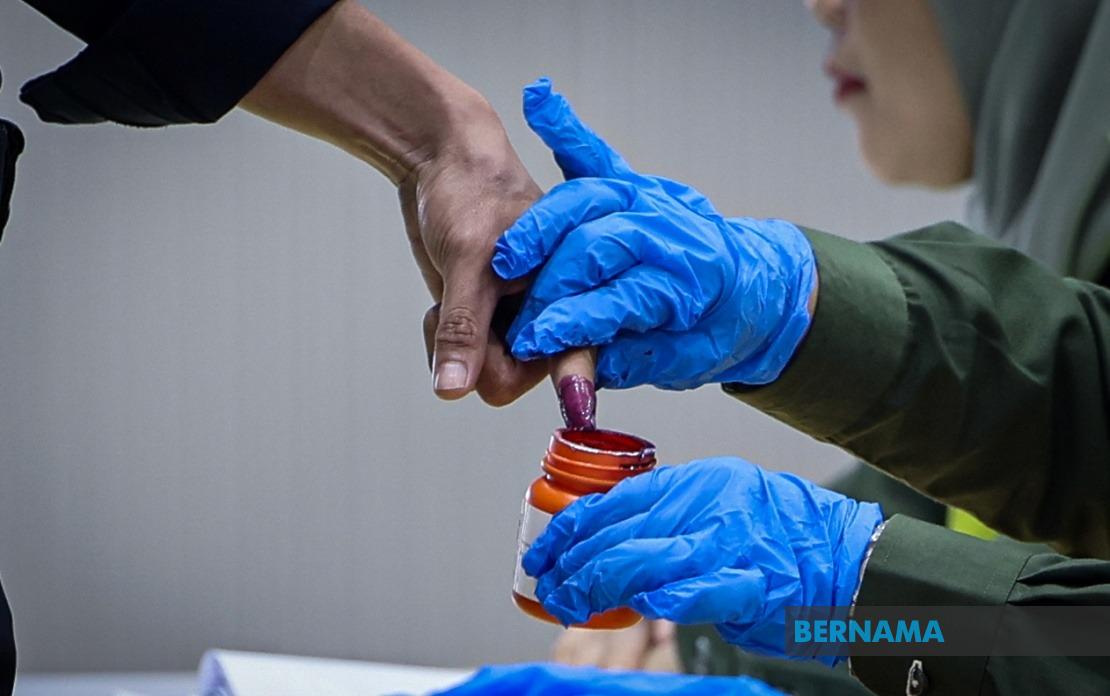
Negeri Sembilan's early voting session for the 16th State Election will take place under predominantly clear skies tomorrow morning, according to forecasts released by the Malaysian Meteorological Department. The benign weather conditions are expected to facilitate smooth operations at polling centres across the state, particularly during the crucial early morning hours when military and police personnel cast their ballots.
The meteorological outlook indicates that six districts—Seremban, Jempol, Jelebu, Kuala Pilah, Tampin and Rembau—should experience fine weather conditions from dawn through midday. This window of opportunity is significant for the early voting exercise, which specifically caters to uniformed personnel and their families who require scheduling flexibility. Port Dickson presents the only exception to this pattern, with meteorologists anticipating cloud cover but no precipitation expected during the morning window.
The respite in weather conditions is likely to prove temporary, however. Across virtually all districts in Negeri Sembilan, weather forecasters expect the afternoon to bring heavy rainfall accompanied by thunderstorms. This transition reflects typical patterns for the region during the monsoon season, when atmospheric conditions can shift dramatically within hours. Voters and polling officials should prepare for these afternoon developments, particularly those managing the later polling sessions.
The early voting exercise serves a critical logistical purpose within Malaysia's electoral framework. A total of 22,339 military and police personnel and their spouses will participate in tomorrow's voting, representing a substantial mobilisation across the state's security establishment. This figure comprises 16,884 military personnel and their spouses alongside 5,455 police personnel and their spouses, reflecting the significant representation of armed forces and law enforcement in Negeri Sembilan's population. Early voting arrangements acknowledge the deployment schedules and duty rotations that prevent these essential personnel from participating during the standard general election day.
The polling infrastructure has been prepared to accommodate this concentrated voter throughput across 38 designated centres throughout Negeri Sembilan. All facilities will commence operations at 8 am, enabling voting to commence during the forecast period of fine weather. The voting centres employ a staggered closing schedule calibrated to local circumstances and personnel availability. Eighteen centres will conclude their early voting operations at noon, two additional centres at 2 pm, and the remaining facilities at 5 pm. This phased approach distributes the workload and provides flexibility for voters with varying duty assignments.
The 16th Negeri Sembilan State Election represents a significant political moment for the state, following the dissolution of the previous state legislative assembly on June 5. That decision initiated the electoral process leading to the general election scheduled for August 1. The early voting session tomorrow serves as a preliminary exercise within this broader electoral timeline, allowing the election commission to test logistical arrangements and process administration before the full-scale general voting day. Early voting results will contribute to the overall outcome when combined with ballots cast on the general election date.
For Malaysian voters and observers tracking the state election, tomorrow's voting session provides an initial indication of electoral participation rates and voter sentiment within the uniformed services communities. The security establishment's engagement in the electoral process underscores the importance that Malaysia's armed forces and police place on democratic participation. The staggered polling centre closures and weather-conscious scheduling demonstrate the Electoral Commission's attention to operational detail in managing logistical complexities.
The weather forecast's significance extends beyond mere meteorological interest. Sunny morning conditions typically contribute to improved voter turnout and more efficient polling operations, as voters face fewer physical deterrents to travel and voting centre staff experience less operational strain. The predicted afternoon storms, while potentially affecting general election day preparations and campaign activities, should not materially impact the early voting exercise itself given the scheduled closure times of the majority of polling centres well before precipitation becomes heavy.
Negeri Sembilan's electoral exercise occurs within the broader context of Malaysia's ongoing democratic processes and the continued importance of electoral participation across all demographics. The state election reflects persistent political competition and public engagement with democratic institutions. The careful planning evident in early voting arrangements—from meteorological briefings to staggered polling schedules—illustrates the institutional maturity of Malaysia's electoral administration despite the logistical challenges of coordinating voting across diverse constituencies and voter categories.

