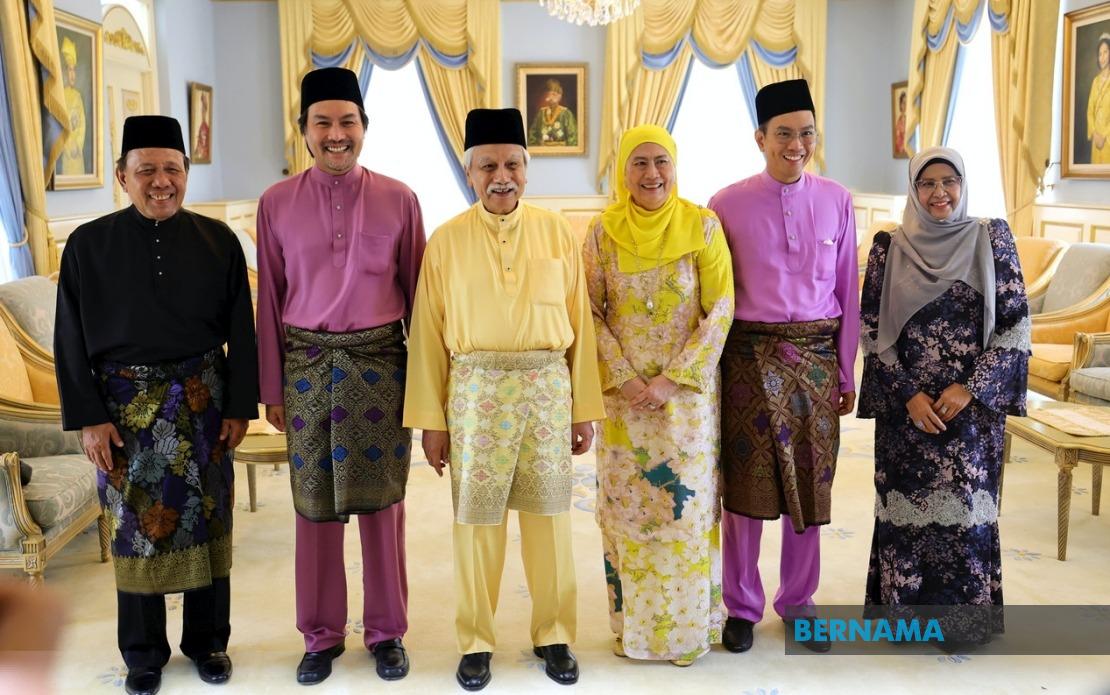
Datuk Ismail Lasim, newly appointed Menteri Besar of Negeri Sembilan, has committed to completing the state cabinet's composition by Friday, marking a swift transition following the state election victory. Speaking at his inaugural press conference in Kuala Pilah after being sworn in before Tuanku Muhriz Tuanku Munawir at Istana Besar Seri Menanti, Ismail outlined a structured timeline that reflects both the urgency of government formation and the complexity of coalition negotiations.
The formation of the state executive council will follow a carefully choreographed consultation process, beginning with internal discussions within Barisan Nasional before any proposed lineup reaches the Yang Dipertuan Besar for formal approval. This procedural approach underscores the significance of royal prerogative in state governance and ensures that the palace's preferences—which Ismail noted favour swift resolution—are accommodated within the administrative framework.
A key complication in the cabinet-building exercise involves potential representation from Perikatan Nasional members within the executive council. Despite Barisan Nasional's commanding position following the election, discussions about including PN assemblymen have emerged as a negotiating point. Ismail indicated that any such appointments would require explicit clearance from UMNO president Datuk Seri Dr Ahmad Zahid Hamidi, signalling the hierarchical decision-making structure within Malaysia's federal and state political architecture.
The Negeri Sembilan election delivered a substantial mandate for coalition governance, with Barisan Nasional capturing 18 of 36 state assembly seats whilst Perikatan Nasional secured seven seats. This result provides the two coalitions combined with a commanding two-thirds majority, though the distribution of cabinet positions and portfolios between them remains under negotiation. The outcome effectively sidelines the opposition and grants the government-in-waiting considerable legislative flexibility.
On the structural composition of the cabinet itself, Ismail expressed a preference for maintaining the established ten-member configuration, arguing this scale best suits Negeri Sembilan's administrative requirements. However, he cautioned that this preference remains subject to final determination during ongoing consultations. The size question carries practical implications for ministry allocation and workload distribution across the state government's functional areas.
The broader coalition architecture reflects Negeri Sembilan's political reality, where UMNO's dominance within Barisan Nasional is tempered by the institutional presence of component parties MCA and MIC. These coalition partners command representation among the state assembly members, necessitating their consideration in cabinet construction. This multi-party governance model, whilst sometimes cumbersome, has become standard practice across Malaysian state administrations and reflects the federal principle enshrined in the country's constitutional arrangement.
Ismail, representing the Juasseh state constituency, has signalled that welfare and public well-being will constitute the administrative cornerstone of his tenure. This emphasis resonates with post-election governance expectations across Malaysia, where newly formed governments typically foreground immediate constituency service and development commitments. For Negeri Sembilan specifically, such priorities likely encompass infrastructure development, healthcare accessibility, and economic initiatives relevant to the state's demographic and economic profile.
The compressed timeline for cabinet finalisation reflects broader pressures within Malaysian politics, where prolonged government formation creates institutional uncertainty and invites challenge from opposition forces or dissident coalition members. By targeting Friday completion, Ismail projects administrative decisiveness and reduces the window during which coalition coherence might fracture. This approach mirrors similar exercises in other states, where tight timelines often translate into smoother transitions.
The consultation requirement with Ahmad Zahid represents a significant institutional reality of contemporary Malaysian federalism. Despite holding the Menteri Besar position and commanding the state government, Ismail requires explicit sign-off from the UMNO national presidency on matters affecting Perikatan Nasional participation. This deference reflects UMNO's overwhelming structural dominance within Barisan Nasional and its de facto veto power over coalition arrangements at state level.
For Malaysian observers and particularly for Negeri Sembilan residents, the swift cabinet formation signals governmental readiness to address constituent concerns with minimal delay. The election involved 103 candidates competing across the 36 seats, resulting in a decisive outcome that has substantially simplified post-election negotiations. This clarity contrasts with several other recent Malaysian state elections that produced fragmented results requiring extended coalition discussions.
The royal involvement in cabinet approval, whilst formally ceremonial, carries symbolic weight in Malaysia's constitutional monarchy system. By noting that Tuanku Muhriz prefers rapid resolution, Ismail acknowledges the palace's stake in timely governance establishment. This interaction between executive appointment and royal approval remains a distinctive feature of Malaysian state administration and reflects the historical fusion of constitutional monarchy with parliamentary democracy.
Looking ahead, the successful finalisation of this cabinet by Friday would represent a significant achievement in Malaysian state politics, particularly given the multiple stakeholder consultations required. The subsequent weeks will demonstrate whether the coalition's initial unity persists through the challenges of budget deliberation, development allocation, and routine governance decisions that typically test state coalition stability.

