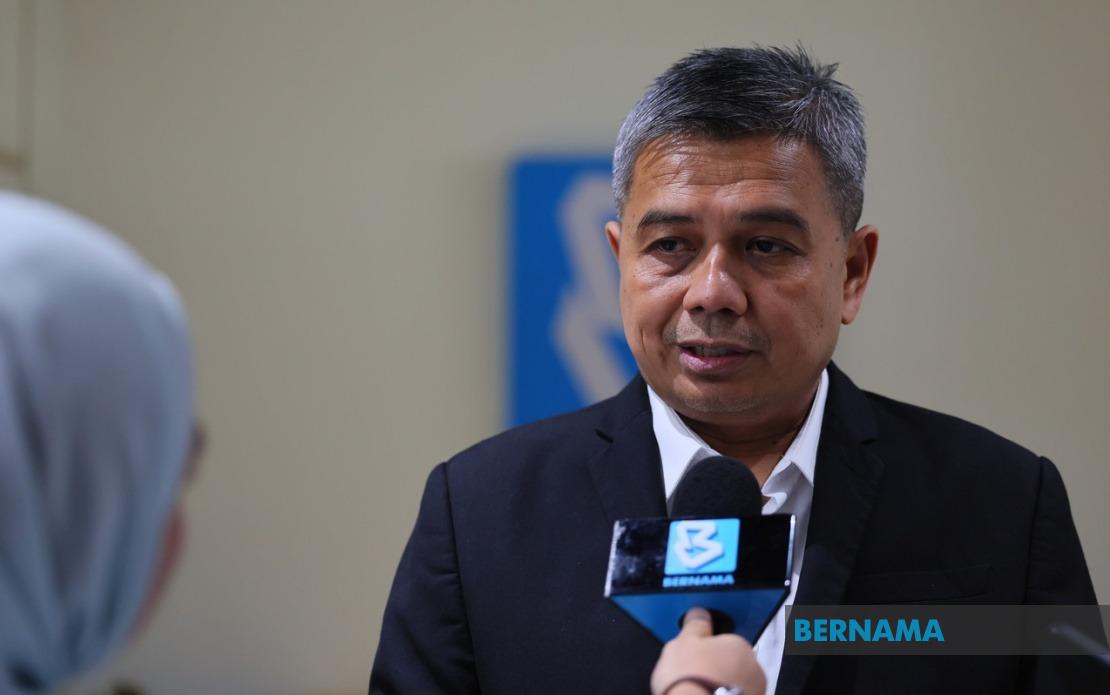
The Election Commission has issued comprehensive guidance to candidates preparing for the Negeri Sembilan state election, emphasising the importance of advance preparation to ensure a seamless nomination process. Datuk Khairul Shahril Idrus, the EC secretary, warned prospective candidates that verification of nomination forms with either the Returning Officer's Office or the Negeri Sembilan State Election Office should take place well before nomination day arrives on Saturday, July 18, to address any potential deficiencies and prevent rejections during the crucial filing window.
Candidates contesting in the 36-seat Negeri Sembilan State Legislative Assembly are being instructed to settle their election deposits ahead of the nomination period and retain proof of payment to present on nomination day. This requirement ensures the EC has clear documentation of financial commitments from all candidates participating in what promises to be a closely watched state contest. The advance payment approach allows the commission to process applications more efficiently and reduces administrative bottlenecks during the compressed nomination window.
Political party representatives face an additional procedural requirement: they must submit written authorisation from their party to use the party's official symbol when lodging their nomination papers. This requirement safeguards against disputes over symbol usage and ensures that only duly authorised individuals can represent their organisations in the electoral process. The provision underscores the EC's commitment to maintaining clear lines of accountability within political parties and preventing unauthorised symbol claims that could complicate ballot preparation.
Nomination papers will be accepted at eight designated centres throughout the state, with a narrow submission window of only one hour, from 9 am to 10 am on nomination day. This concentrated timeframe means candidates, proposers, and seconders must coordinate carefully and arrive prepared with all required documentation. The EC has specified that submission can be made by the candidate alone, by the candidate with their proposer and seconder, or by any combination of these representatives, providing flexibility while maintaining the integrity of the nomination process.
Once candidates have paid their campaign material deposits, they become subject to the stringent provisions of the Election Offences Act 1954 and the by-laws established by their respective local authorities. This legal framework imposes specific obligations on candidates regarding campaign financing, advertising, and conduct during the electoral period. Understanding these responsibilities before nomination day is essential, as ignorance of the regulations provides no protection against potential violations that could result in penalties or disqualification.
The EC has publicly urged all prospective candidates and political parties to strictly adhere to the range of laws, regulations, and codes of conduct governing the election. This includes directives issued by the EC itself, relevant local authorities, and the Royal Malaysia Police. The emphasis on compliance reflects growing concerns about electoral integrity and the need to maintain public confidence in Malaysia's electoral processes, particularly at the state level where governance directly affects residents' daily lives.
The Negeri Sembilan state assembly was officially dissolved on June 5 following approval from Tuanku Muhriz Tuanku Munawir, the Yang Dipertuan Besar of Negeri Sembilan. This dissolution triggered the electoral calendar that culminates in polling day on August 1. The timeline provides a compressed but manageable period for candidates to prepare campaigns while allowing the EC to conduct thorough planning for electoral administration across the state's diverse constituencies.
The election timetable has been carefully structured to accommodate multiple phases: nomination on July 18, early voting on July 28, and general polling on August 1. This schedule provides adequate preparation time for the commission's machinery while allowing candidates just over two weeks for campaign activities following successful nomination. The early voting provision extends democratic participation to those unable to vote on polling day due to work, health, or other commitments, reflecting modern approaches to electoral accessibility.
For Malaysian observers, the Negeri Sembilan election serves as a significant political indicator given the state's historically competitive electoral dynamics and its position as a bellwether for broader regional political trends. The election will test the ground-level organisational capacity of contesting parties and provide insights into voter sentiment on state governance, economic management, and local development priorities. The detailed administrative guidance from the EC demonstrates the commission's institutional maturity in managing state-level contests, though the tight nomination window requires candidates to maintain meticulous preparation to avoid procedural mishaps that could derail their candidacies before campaigns even begin.

