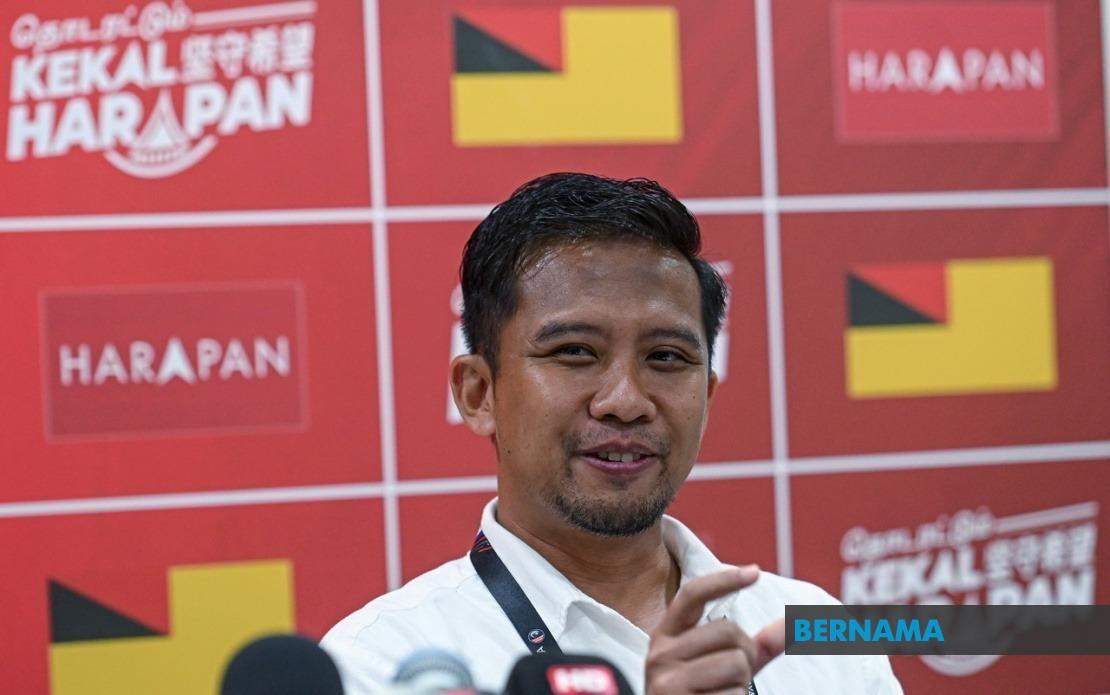
The 16th Negeri Sembilan State Election campaign has reached its climactic week, with four days remaining before voters decide the composition of the state assembly on August 1. The stretch represents the most critical period for candidates across all three major political coalitions, as they exhaust their final opportunities to shift voter sentiment and shore up support in their respective constituencies. With 103 candidates competing for 36 seats following the June 5 dissolution of the state assembly, the intensity of grassroots mobilisation has visibly escalated across the state, signalling that no campaign team is leaving anything to chance.
What distinguishes this election cycle is the marked departure from traditional campaign orthodoxy. While conventional tools such as town hall meetings and residential door-knocking remain central to candidate strategies, an increasing number of contenders have embraced unconventional engagement methods designed to humanise their public personas and forge authentic connections with ordinary voters. This shift reflects both changing voter expectations and the recognition that charisma and visibility must now extend beyond formal political discourse into the fabric of community life itself.
In Rantau, Pakatan Harapan's Dr Azizul Hakim Mahdi exemplifies this transformation. The candidate abandoned his credentials as a medical professional to participate in a hands-on motorcycle engine oil service programme, deliberately positioning himself as someone willing to understand the practical concerns of working-class constituents. His participation carried strategic weight beyond mere symbolism; he framed the automotive sector as a viable pathway for youth entrepreneurship and employment, connecting trade skills to economic opportunity. The effort reflects recognition that younger voters increasingly expect politicians to engage substantively with employment challenges rather than simply issuing vague promises of job creation.
Dr Azizul Hakim's digital strategy demonstrates equal sophistication. His campaign slogan—"Kalau sakit, cari doktor. Kalau susah, cari YB. Tapi kalau sakit dan susah, carilah Dr Hakim"—collapses the distinction between his professional identity and political role, suggesting a personal commitment to constituent welfare that transcends bureaucratic channels. By leveraging social media with this tagline, his campaign targets younger demographics who navigate politics primarily through digital platforms rather than attending formal ceramah. The football match at Taman Kelab Tuanku similarly blurred boundaries between recreation and campaigning, allowing him to demonstrate approachability whilst maintaining his campaign schedule.
Labu's Pakatan Harapan candidate Datuk Ahmad Faez Abdul Rahman adopted comparable tactics through participation in a bowling championship at The Bowlers@MesaMall in Nilai. Rather than relegating this to mere event attendance, his campaign strategically extended the engagement into night market walkabouts at Desa Cempaka, where he directly solicited feedback from traders on local issues whilst distributing manifestos. This sequential approach—moving from recreational activity to substantive policy discussion—suggests an attempt to lower psychological barriers to political engagement, allowing voters to transition naturally from casual interaction to consideration of policy positions.
The Barisan Nasional campaign in Kota adopted equally distinctive community immersion. Suhaimi Aini's participation in the Ngoca Sawah programme—traditional paddy field fishing—functioned as both cultural affirmation and political outreach, particularly when accompanied by UMNO Youth chief Datuk Dr Muhamad Akmal Saleh. This strategy carries particular resonance in rural constituencies where traditional agricultural practices remain economically and culturally significant, positioning the coalition as respecting established community rhythms rather than imposing external political agendas.
These unconventional campaign methods reflect broader strategic calculations about voter behaviour in contemporary Malaysian politics. Traditional demographics that once responded reliably to partisan messaging now demand evidence of personal understanding and commitment to lived experience. By participating in motorcycle servicing, bowling, football, and fishing, candidates attempt to communicate empathy and cultural grounding that pure political rhetoric cannot convey. The approach simultaneously addresses a persistent criticism of Malaysian politics—that elected representatives become disconnected from constituent reality once they assume office.
The early voting process scheduled to commence represents another dimension of the electoral timeline. Approximately 22,339 military and police personnel and their eligible spouses will cast ballots before the general poll, with proceedings commencing at 8 am across multiple locations. Early voting serves multiple functions: it provides logistical accommodation for uniformed services personnel whilst generating preliminary indicators of voter turnout and sentiment that campaigns monitor for adjustments to final-phase messaging.
The geographic distribution of constituencies and candidates introduces another variable affecting campaign dynamics. With 36 state seats contested by 103 candidates across Negeri Sembilan's diverse demographic landscape—ranging from urban Seremban constituencies to rural agricultural areas—campaign effectiveness necessarily varies by local conditions. What resonates in Rantau may prove ineffective in urban environments, requiring tailored messaging and community engagement approaches that acknowledge distinct voter priorities and cultural contexts.
Looking forward to August 1, the convergence of intensified grassroots mobilisation, creative community engagement, and strategic digital outreach suggests a competitive election where margins may prove narrower than anticipated. The willingness of candidates across political divides to adopt unconventional campaign tactics indicates mutual recognition that traditional mechanisms have lost persuasive potency with substantial voter cohorts. The four-day window remaining will likely determine whether these final campaign efforts shift sufficient voters to alter the trajectory established through months of earlier campaigning, or whether earlier voter leanings prove sufficiently entrenched to withstand last-minute mobilisation attempts.

