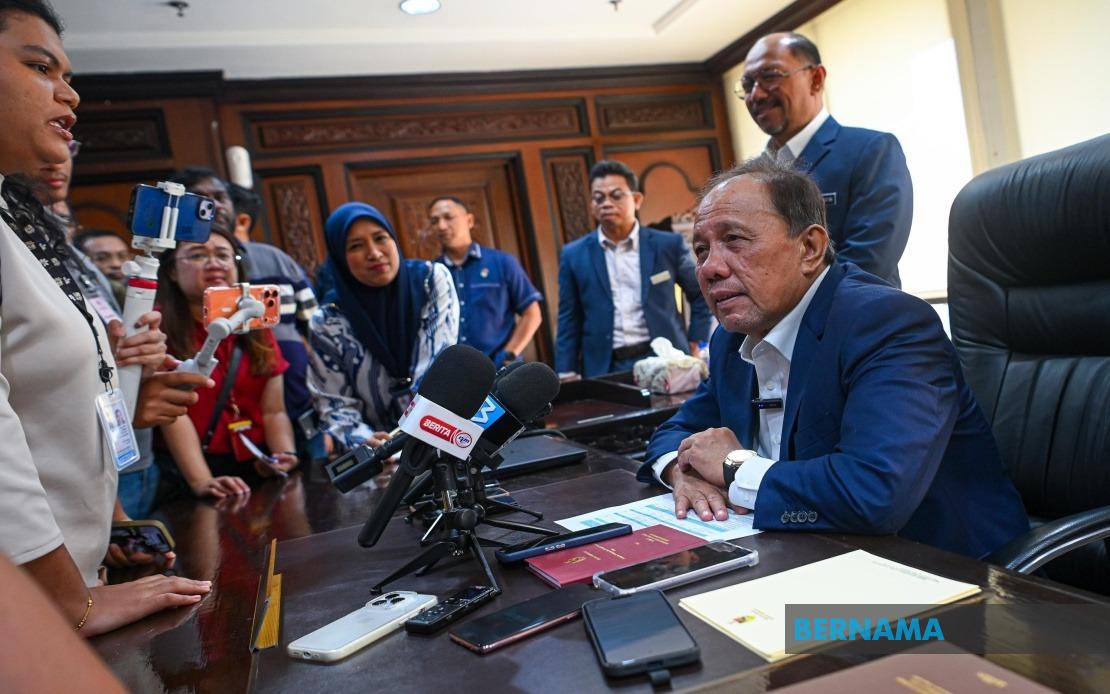
Negeri Sembilan's freshly installed Menteri Besar Datuk Ismail Lasim has signalled his administration's intention to reshape the executive structure by introducing Deputy Executive Council positions across several critical policy areas. Speaking at Wisma Negeri on Monday, Ismail explained that the proposed framework represents an unconventional move designed to broaden leadership opportunities within a constrained political architecture, allowing his coalition partners greater representation in governance despite inherent limitations on formal cabinet-level postings.
The backdrop to this administrative innovation lies in the practical realities facing the state government following the recent election. Although Barisan Nasional and Perikatan Nasional together command enough seats for a comfortable two-thirds majority—winning 25 of 36 assembly constituencies—the traditional structure of exco appointments leaves numerous capable politicians without formal positions. By creating deputy-level roles, Ismail aims to harness broader talent from within his coalition while maintaining operational coherence across government departments.
The positions are expected to be distributed among assemblymen drawn from BN's component parties alongside members from PAS and Parti Wawasan Negara, both of which represent crucial coalition elements in Negeri Sembilan's political landscape. This approach reflects the coalition's desire to demonstrate inclusive governance and reward allies for their electoral support. The specific allocation and number of Deputy Exco positions remain undecided, with Ismail emphasizing that such decisions require careful consideration of both governmental needs and political balance.
Ismail, the Juasseh state assemblyman who turned 67 this year, commenced his official duties at the Menteri Besar's office on Monday morning, receiving a formal welcome from State Secretary Datuk Mohd Zafir Ibrahim and departmental heads. His swearing-in ceremony before Tuanku Muhriz Tuanku Munawir at Istana Besar Seri Menanti on Sunday marked the culmination of a transition process following the state election that reshuffled Negeri Sembilan's political hierarchy.
The government's consideration of Senior Exco appointments adds another dimension to the ongoing restructuring. While provisions exist within the state framework to designate certain exco members with senior status, Ismail indicated that this matter has not yet been finalized. These senior designations would likely underscore the pecking order among cabinet members and signal which portfolios carry the greatest weight in the administration's priorities over the coming term.
For Malaysian states navigating coalition governance, the Negeri Sembilan approach offers both practical innovation and political strategy. Regional readers will recognize that managing multi-party coalitions requires careful choreography of incentives and recognition—a lesson increasingly relevant as Malaysia's political landscape fragments into more complex arrangements. The deputy structure allows flexibility without creating unwieldy cabinet sizes that slow decision-making or dilute individual ministerial authority.
The expected announcement of the complete exco line-up, originally scheduled for Friday but potentially delayed to Monday, carries significance for how the administration intends to allocate portfolio responsibilities. Each posting signals priorities, and the distribution of deputy positions will reveal which areas Ismail considers most critical for institutional development. Portfolio assignments typically indicate government focus areas, whether infrastructure, education, economic development, or social welfare initiatives that resonate with voters.
Ismail's cautious messaging about the timeline suggests the coalition partners remain engaged in negotiations over final placements. In Malaysian state politics, exco appointments involve intricate negotiations between coalition parties ensuring adequate representation while respecting merit and seniority considerations. The deliberative pace reflects serious governance rather than ad-hoc decision-making, though it also underscores the complexities of managing BN and PN interests simultaneously.
From a broader governance perspective, introducing deputy executive council roles addresses a structural challenge facing many Malaysian states: the gap between political talent and available executive positions. Term-limited assemblies produce capable politicians who cannot all occupy cabinet seats, yet whose experience and local legitimacy represent valuable assets. Deputy exco positions, properly designed with genuine responsibilities rather than ceremonial duties, can develop future leadership while distributing workload across the administration.
The Negeri Sembilan model may influence how other BN-led states manage coalition dynamics, particularly in situations where partner parties demand adequate representation. If the deputy structure proves effective in operation and sustains coalition cohesion, it could become a template for other jurisdictions balancing inclusive governance with administrative efficiency. Conversely, if deputy roles become perceived as tokenism, they risk breeding frustration among aspiring politicians.
For citizens and businesses in Negeri Sembilan, the clarification of the full exco structure matters considerably. Administrative continuity and clear reporting lines facilitate efficient service delivery. The announcement of final appointments will provide stakeholders with certainty about which officials oversee which policy areas, enabling effective advocacy and engagement with government during the new administration's initial period. This transparency also allows the administration to establish expectations and performance benchmarks early in the term.
Ismail's first working day signals a transition completed and new governance commencing. The government has moved from campaign mode to operational responsibility, with the careful construction of its administrative apparatus proceeding according to strategic timeline. The coalition's focus on strengthening institutional capacity through the deputy exco structure demonstrates intention to govern effectively despite the inherent complexities of managing multiple partner parties with divergent constituencies and expectations.

