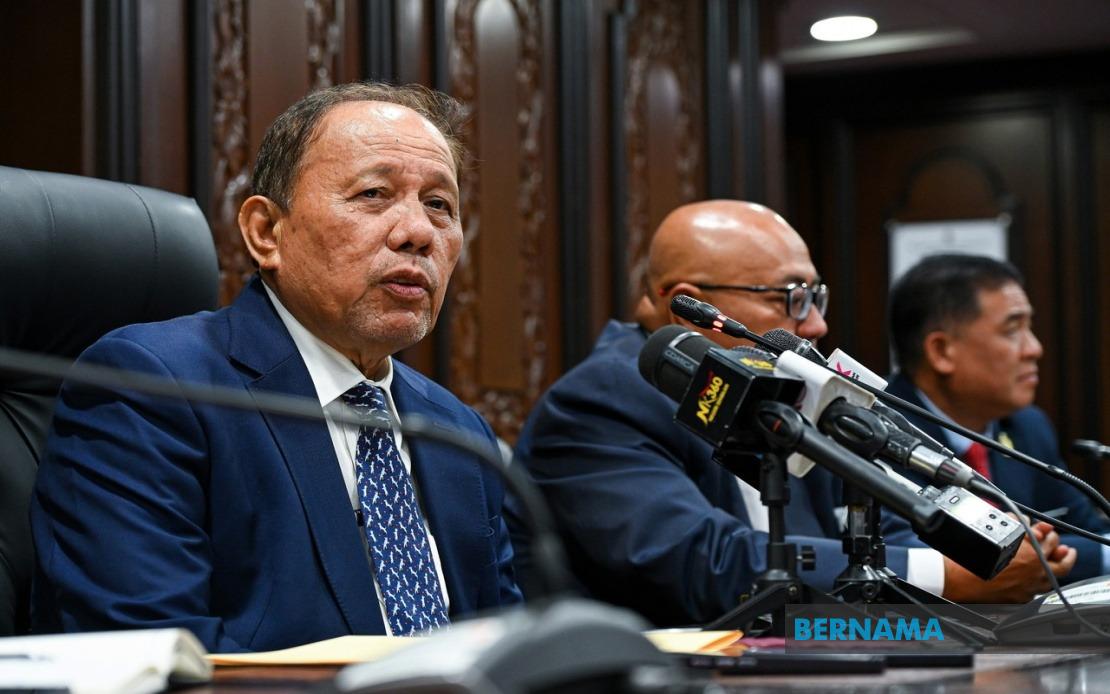
Negeri Sembilan has delivered on an election promise by freezing residential assessment tax rates for the next five years, a decision announced by Menteri Besar Datuk Ismail Lasim during the first State Executive Council meeting of the new administration. The move represents an early commitment to reducing the financial pressure on homeowners, who have faced mounting living costs across Malaysia's residential sector in recent years. Local authorities throughout the state had been preparing to implement assessment tax increases scheduled for either January or July, reflecting the rising costs of maintaining municipal services and infrastructure. By halting these planned hikes, the state government is signalling its intention to prioritise household affordability during a period of economic uncertainty affecting middle-income Malaysians.
The decision carries significance beyond Negeri Sembilan's borders, as assessment tax policy has become an increasingly contentious issue in Malaysian local governance. Assessment taxes, determined by local authorities based on property valuations, fund municipal services including waste management, road maintenance, and public safety. Many states have faced public backlash when implementing increases, particularly in urban areas where property values have surged substantially. By committing to a five-year freeze despite inflationary pressures, Negeri Sembilan is positioning itself against a regional trend of tax increases, potentially attracting residential investment and strengthening the state government's credibility with voters who delivered Barisan Nasional's mandate in the recent state election.
Menteri Besar Ismail clarified that the assessment tax itself will remain in place—a crucial distinction emphasising that the state has not eliminated the tax entirely but rather committed to maintaining current rates. This distinction matters significantly for municipal finances, as assessment tax revenue typically supports essential services that residents depend upon daily. The freeze therefore reflects a balancing act between voter relief and fiscal responsibility, particularly as the state government prepares to table an additional budget aimed at addressing outstanding financial needs. Local authorities will need to explore alternative revenue streams or efficiency improvements to offset inflation's impact on service delivery costs over the coming five years.
The state government's broader agenda emerged as Menteri Besar Ismail outlined the schedule for the First Special Session of the 16th Negeri Sembilan State Legislative Assembly, set for August 18. This session will host the formal swearing-in of all state assemblymen, representing the democratic transition following recent elections. The appointment of the State Assembly speaker and deputy speaker will also occur during this sitting, with Ismail indicating that the speaker position will be filled by someone outside the legislature—a structural choice that may reflect efforts to maintain impartiality in the assembly's operations. The announcement of the deputy speaker candidate will follow within the coming week, though the speaker appointment remains subject to further deliberation, suggesting careful consideration of qualifications and political alignment.
The additional budget to be tabled during the special session addresses a reality facing many newly elected state governments: inherited financial obligations and immediate service demands that require supplementary funding beyond regular allocations. Negeri Sembilan's government faces the familiar challenge of managing voter expectations for improved services whilst maintaining fiscal prudence. The assessment tax freeze, when combined with plans for an additional budget, suggests the administration believes targeted spending on priority areas—presumably education, healthcare, and infrastructure—will deliver greater electoral return than general tax relief. This budgeting philosophy reflects a shift in how Malaysian state governments approach governance in the post-election period.
Menteri Besar Ismail's emphasis on executive council cohesion during his first meeting signals awareness of the coordination challenges facing a new administration. His stress on dedication, integrity, professionalism, and commitment across all portfolio holders reflects standard leadership guidance, yet carries particular weight in Negeri Sembilan's political context. The state has experienced leadership transitions and political realignments in recent years, making unified Exco performance essential for delivering on election promises and maintaining public confidence. By explicitly calling for alignment between departments and the state government's strategic direction, Ismail is establishing expectations for disciplined, coordinated governance—essential for implementing policies like the assessment tax freeze effectively across multiple local authorities with distinct administrative structures.
The assessment tax freeze sits within Malaysia's broader property and taxation landscape, where residential sector concerns have grown more prominent. Property prices in major centres have outpaced wage growth for many years, making affordability a genuine electoral issue. Assessment taxes, though typically modest individually, accumulate as additional costs that deter first-time homebuyers or burden existing homeowners. Negeri Sembilan's decision may influence discussions in other states where assessment tax increases are being considered or planned. Federal and state governments across Malaysia are increasingly conscious that property-related policies shape electoral outcomes, particularly among younger voters and middle-income households seeking housing stability.
The implementation of this five-year freeze will require coordination between the state government and the various local authorities operating within Negeri Sembilan's jurisdiction, each responsible for determining and collecting assessment taxes within their respective areas. Local authorities will need clear directives establishing rate freezes as official policy, preventing individual councils from unilaterally attempting increases. This coordination challenge underscores the complex relationship between state government political commitments and the operational independence of local authorities, which often require tax revenue growth to meet expanding service demands. The freeze therefore represents not merely a policy announcement but an administrative undertaking requiring sustained political will to enforce across multiple governance layers.
Looking forward, the five-year timeframe provides Negeri Sembilan's administration with a defined period to demonstrate responsible stewardship of the state's finances whilst maintaining the tax freeze commitment. Should the state's economic conditions or revenue streams improve significantly during this period, the government may face political pressure to either extend the freeze or invest tax savings into enhanced services rather than allowing future increases. Conversely, if economic conditions deteriorate or inflation substantially outpaces revenue growth, the administration may eventually need to revisit the commitment, potentially triggering public backlash. The freeze thus represents a calculated political investment in voter confidence, with success depending on maintaining both the formal commitment and public perception of effective governance beyond the freeze period. For Malaysian residents watching state-level policy developments, Negeri Sembilan's action demonstrates how electoral mandates translate into immediate, tangible policy shifts affecting household finances.

