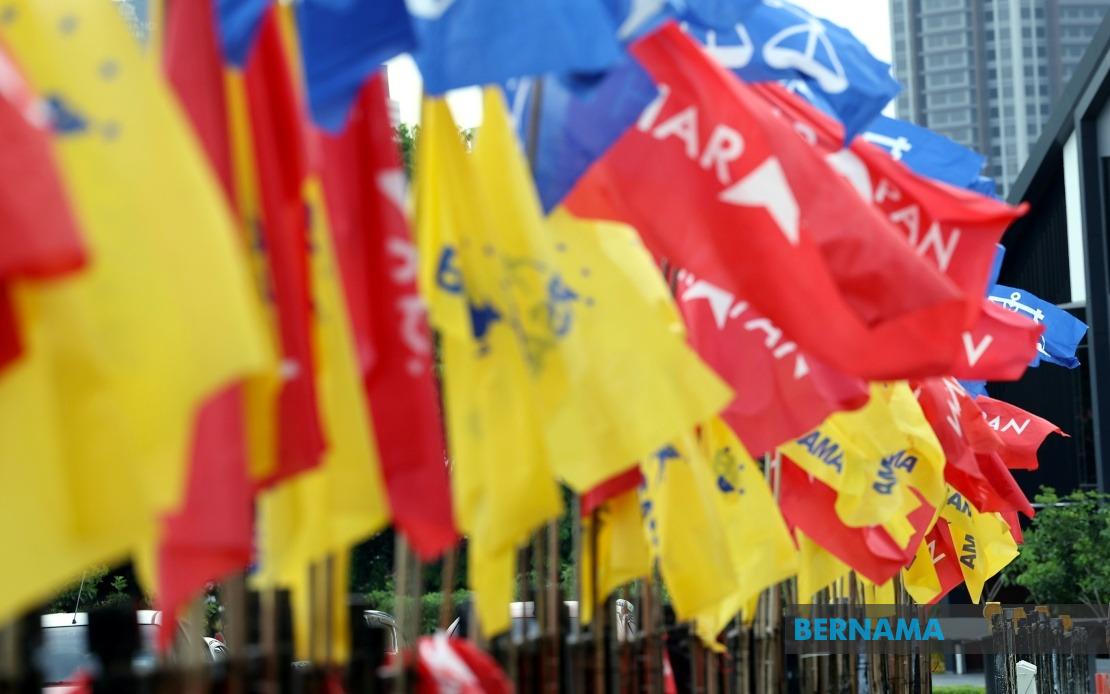
The Negeri Sembilan police force has greenlit 19 permit applications for ceramah and political campaign activities in the run-up to the state election scheduled for August 1, signalling steady progress in preparations for the democratic exercise. The approvals came after applicants fulfilled all mandatory requirements set by the authorities, according to a statement from Datuk Alzafny Ahmad, the state police chief. The sequence of approvals underscores the delicate balancing act law enforcement must perform during electoral periods—facilitating the democratic rights of political parties to campaign while simultaneously maintaining public order.
The Negeri Sembilan State Legislative Assembly was dissolved on June 5, triggering the electoral process for the 36-seat chamber. The Election Commission has designated July 28 for early voting, giving voters who cannot cast ballots on polling day an alternative opportunity. This two-phase voting schedule is designed to maximise participation while staggering crowds at polling stations, a practice that has become standard in Malaysian elections. The compressed timeline from dissolution to election day reflects efforts to keep campaign periods brief and focused, reducing the duration of political intensity in communities.
While granting the permits, Datuk Alzafny emphasised that police would maintain vigilant oversight throughout all campaign activities to guarantee adherence to electoral regulations and preserve public safety. This supervisory approach reflects the constabulary's responsibility to prevent any incidents that could undermine confidence in the electoral process or disrupt the harmony communities require during contentious periods. Political ceramah, traditional forums where candidates and party representatives address voters directly, remain a cornerstone of Malaysian campaign culture despite the rise of digital campaigning. Police monitoring of these events typically focuses on crowd control, traffic management, and ensuring speakers do not violate Section 298A of the Penal Code regarding seditious speech or other legal boundaries.
Security conditions across Negeri Sembilan remain stable and well-managed, according to police assessment. Only a single police report related to electoral activities has been lodged since campaign operations commenced, a notably low figure for an election period. Significantly, no investigation papers have been opened concerning any election offences, suggesting candidates and political parties are largely observing procedural requirements. This tranquillity contrasts with historical instances in Malaysian politics where campaign periods have witnessed heated confrontations or alleged breaches of electoral conduct rules. For Negeri Sembilan voters and observers, the current calm indicates a relatively orderly transition towards the August 1 polling.
Datuk Alzafny reiterated police commitment to intensifying preparedness, surveillance, and law enforcement mechanisms as the election approaches. This intensification suggests resource mobilisation across the state apparatus—additional officers may be deployed to high-risk areas, checkpoints established at strategic locations, and intelligence-gathering operations potentially expanded. Such precautions are standard for state elections in Malaysia, reflecting lessons learned from previous contests and the need to adapt security frameworks to specific demographic and geographic conditions in each state. Negeri Sembilan's relatively compact geography and population make security coordination more manageable than in larger states, though challenges remain.
The police leadership made clear that any legal violations would be prosecuted with firmness, impartiality, and integrity, leaving no room for compromise or selective enforcement. This rhetoric serves multiple purposes—it signals to political parties that the rules apply equally regardless of party affiliation, it reassures the public that order will be maintained, and it establishes a framework within which voters can participate without fear of disruption or violence. The emphasis on integrity is particularly significant in Malaysian discourse, where public trust in institutions partially depends on perceived fairness of law enforcement during electoral periods. Perception of bias in police conduct during elections can delegitimise results and undermine democratic acceptance of outcomes.
Datuk Alzafny's appeal to the public stressed the importance of respecting democratic processes and cooperating with law enforcement personnel. This dual message—directed simultaneously at political actors and ordinary citizens—reflects understanding that election management depends on collective responsibility. When voters observe electoral laws, respond positively to police directions, and refrain from partisan confrontations, campaigns operate smoothly. Conversely, when public cooperation erodes, even well-resourced police forces struggle to manage electoral periods effectively. Malaysian electoral history demonstrates that states where communities prioritise civility during campaigns experience fewer security incidents and report higher satisfaction with the electoral experience.
The approval of 19 ceramah permits within approximately one week suggests administrative efficiency in the permitting process. Political parties appear to be lodging applications in orderly fashion, and the police vetting system appears to be functioning without significant backlogs. This efficiency contrasts with earlier election periods when administrative delays or unclear permitting procedures created friction between authorities and political parties. For candidates and party strategists, timely permit approval allows campaigns to proceed according to schedule, reaching voters through planned events rather than improvising last-minute replacements. The smooth permitting process also indicates that police and political party coordination mechanisms are functioning adequately.
From a Southeast Asian perspective, Negeri Sembilan's election preparations reflect broader regional trends toward professionalising electoral security and emphasising peaceful democratic participation. Malaysia, as a regional democracy with periodic sub-national and national elections, influences and is influenced by electoral practices in neighbouring countries. The state's demonstrated commitment to balancing campaign freedoms with public order maintenance provides a model that resonates across ASEAN contexts where electoral credibility remains contested. Furthermore, the focus on preventing election offences and maintaining order without suppressing legitimate political expression addresses concerns that have historically confronted Malaysian electoral processes.
The August 1 polling date approaches amid conditions that authorities and observers characterise as stable and orderly. Whether this trajectory continues may depend partly on remaining campaign weeks and partly on political actors' commitment to self-regulation and respect for electoral boundaries. The 36 seats contested in Negeri Sembilan will determine state government composition and shape regional political dynamics within Malaysia's federal system. Voters preparing to exercise franchise will do so in an environment where police have taken measurable steps to facilitate democratic participation while preventing chaos—a foundational requirement for legitimate elections. As campaigns intensify, the security framework police have established will face its tests, with success measured by electoral completion without significant incident.

