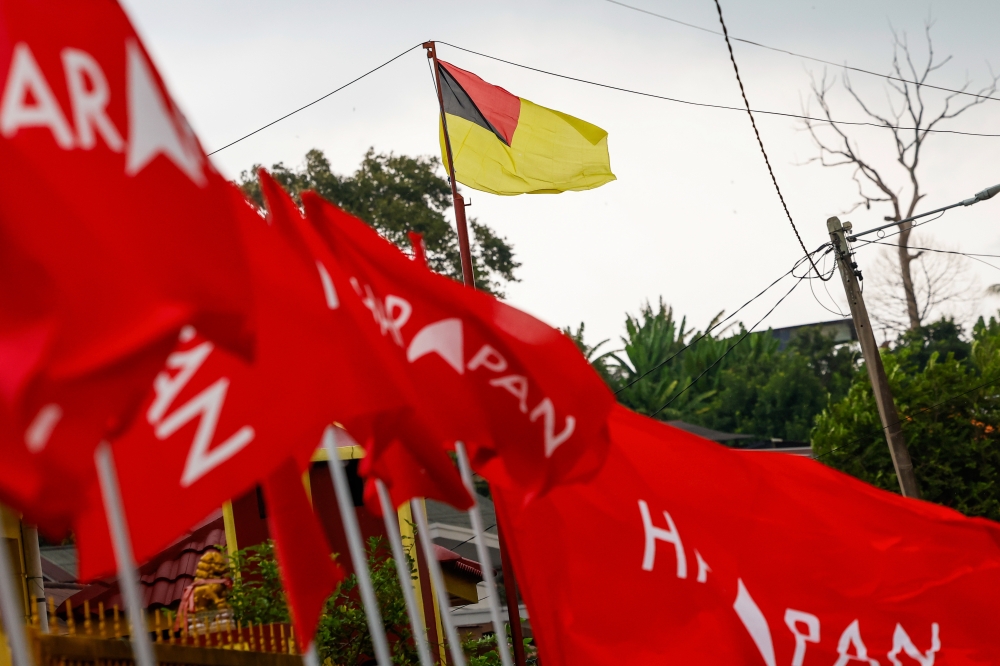
The Royal Malaysia Police contingent in Negeri Sembilan has launched two investigation papers relating to incidents of property damage and electoral mischief, marking a fresh effort to address misconduct during the campaign period. The twin investigations underscore ongoing concerns about public order and civility during electoral cycles, a perennial challenge for law enforcement across Malaysian states during nomination and polling phases.
Election season in Malaysia has historically been accompanied by scattered reports of vandalism, trespassing, and destruction of campaign materials or public amenities. These incidents, though often characterised as isolated rather than systemic, attract police intervention when they escalate beyond minor disputes or cross into criminal territory. The decision by Negeri Sembilan police to formally document two separate cases suggests that the incidents in question either involved significant property damage or multiple separate acts requiring distinct legal processing.
The timing of such investigations typically aligns with heightened campaign activity or the immediate aftermath of nomination and polling days. During these periods, political temperature rises across constituencies, and volunteer campaigns intensify. While the vast majority of election workers and supporters conduct themselves within the law, enforcement agencies must remain vigilant against those who believe electoral competition justifies crossing legal boundaries. The property damage category encompasses everything from graffiti and poster defacement to more serious incidents involving vehicles, structures, or infrastructure.
For Malaysian voters and observers, the transparency with which police document and investigate such cases carries broader significance. It signals that authorities are monitoring electoral conduct across all levels and are prepared to take action regardless of which party or movement is responsible. Such consistency in enforcement builds public confidence in the electoral process and reinforces the principle that political competition, however fierce, must operate within legal and ethical frameworks. Conversely, selective or perceived biased investigations can erode trust in both law enforcement and the political system itself.
Negeri Sembilan, as a state encompassing urban and rural constituencies, frequently experiences competitive electoral contests. The state's demographic diversity and political landscape mean that campaign activities routinely reach across different communities and electoral segments. When property damage occurs in such contexts, local authorities face pressure to respond swiftly and fairly, balancing the need for thorough investigation with the imperative to maintain public order and community relations during politically sensitive periods.
The investigation process itself involves standard police procedures: gathering statements from complainants and witnesses, documenting damage through photographs and valuations, and reviewing CCTV footage if available. Where suspect identification is possible, police pursue questioning and potential charges under relevant statutes, which may include provisions under the Penal Code addressing criminal mischief, vandalism, or trespassing. The existence of two separate investigation papers suggests distinct incidents rather than a single coordinated event, though both clearly relate to electoral circumstances.
Prevention of such incidents remains a challenge for both police and electoral authorities. While the Election Commission establishes rules governing campaign conduct—such as restrictions on placement of political signage and prohibition of certain messaging—enforcement relies significantly on police monitoring and community reporting. Education campaigns reminding candidates and supporters of their legal obligations have become standard, though their effectiveness in preventing determined misconduct varies considerably.
The broader context of electoral integrity in Southeast Asia reflects growing attention to how democracies manage competition while maintaining civic standards. Malaysia's experience with managing large numbers of electoral contestants and supporter networks means that some friction during campaigns is nearly inevitable. However, framing such incidents as individual breaches rather than systemic failure helps maintain public acceptance of electoral legitimacy. The police response in Negeri Sembilan fits this pattern of targeted enforcement rather than wholesale investigation of the electoral process.
For future election cycles, these investigations may yield lessons about particular vulnerabilities or patterns in how property damage occurs. Information gathered could inform both police deployment strategies and Election Commission guidance to political parties about preventing supporter misconduct. Strengthening party discipline and establishing clear codes of conduct for campaigners represent preventive approaches that complement enforcement.
The investigations also reflect a practical reality: Malaysian elections typically proceed smoothly despite competitive intensity, and serious incidents remain exceptions rather than norms. That authorities respond with formal investigation papers when problems do arise demonstrates functional institutional capacity, even if broader debates about electoral governance and political culture continue among analysts and commentators. Residents of Negeri Sembilan and the wider public will likely await outcomes of these investigations to assess both the seriousness of the underlying incidents and the consistency of enforcement action.

