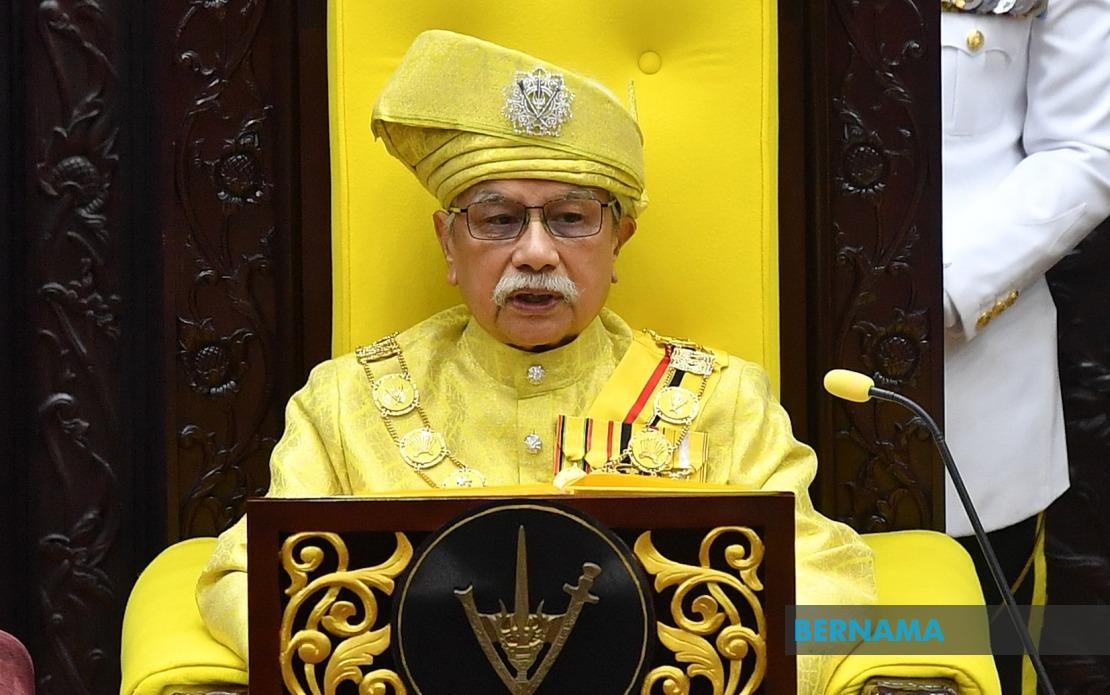
The Yang Dipertuan Besar of Negeri Sembilan, Tuanku Muhriz Tuanku Munawir, has granted his formal consent for a royal audience ceremony scheduled for this Saturday at Istana Besar Seri Menanti to officially recognise the installation of the new Undang of Luak Rembau. The announcement was delivered by Tunku Besar Seri Menanti, Tunku Ali Redhauddin Tuanku Muhriz, during a formal meeting with the Datuk-Datuk Adat of Rembau at the royal palace in Kuala Pilah on Tuesday.
Hassan Ab Hamid, aged 67, has been selected to take up the position of the 22nd Undang of Rembau following an extensive selection process governed by the Adat Perpatih customary system that has regulated succession and community governance in the state for centuries. The selection of Hassan reflects the culmination of formal adat procedures, including the Kerapatan Buapak Delapan ceremony for the Biduanda Nan Dua Carak customary clan, which ensures that leadership transitions maintain cultural integrity and community consensus.
Tunku Ali Redhauddin conveyed his father's blessing for the formal ceremony, known as Istiadat Menghadap Menjunjung Duli Bagi Menyempurnakan Kejadian Undang Luak Rembau, which translates to the ceremonial audience for completing the installation of the Rembau luak's leader. He indicated that all ceremonial arrangements and practical preparations would be coordinated between the adat leaders and the Orang Empat Istana, the traditional administrative council overseeing palace matters. The Tunku Besar expressed confidence that the preparations would proceed without obstacle.
The appointment becomes necessary following the death on May 15, 2024, of the previous Undang of Rembau, Datuk Lela Maharaja Datuk Muhamad Sharip Othman, who passed away at the advanced age of 83 after a long tenure in the customary leadership role. The vacancy triggered the activation of the adat mechanisms that govern the selection of a successor, ensuring continuity in the stewardship of Rembau's traditional institutions and community affairs.
Crucially, Datuk Juan Datuk Zulkipli Shamsudin, who chairs the Kerapatan Buapak Delapan ceremony, emphasised a critical distinction regarding the nature of the Undang's selection that carries broader implications for understanding Negeri Sembilan's unique governance structure. He stressed that under the Adat Perpatih system, an Undang is fundamentally not appointed by the Yang Dipertuan Besar in the manner of conventional administrative appointments, but rather emerges through the deliberative customary processes intrinsic to each luak, or traditional territorial division.
This clarification addresses potential misinterpretations about the balance of authority within Negeri Sembilan's dual governance framework. The Yang Dipertuan Besar's role, Datuk Zulkipli explained, is to receive delegations from the luak when they formally seek an audience and, when required by established custom, to grant formal recognition and consent to decisions that have already been reached through community consultation and adat procedures. The royal role is fundamentally reactive and confirmatory rather than directive.
The distinction holds significant weight because it underscores the preservation of customary decision-making power within the community itself, preventing the concentration of appointment authority in the hands of the state leadership. Datuk Zulkipli explicitly stated that the Yang Dipertuan Besar does not possess the prerogative to summon individuals, independently choose candidates, or unilaterally appoint an Undang according to his own discretion. Any suggestion to the contrary, he cautioned, would represent a fundamental misapprehension of the adat principles that have structured Negeri Sembilan's governance architecture across centuries.
This preservation of customary authority reflects the historical context of Negeri Sembilan's constitutional arrangement, which represents one of Malaysia's more distinctive federal structures. The state maintains autonomous adat councils and customary legal frameworks that operate in parallel with the federal and state administrative systems, creating a plural governance model where traditional institutions retain real decision-making authority over matters affecting their communities.
The Saturday ceremony therefore carries significance beyond the ceremonial formality of recognising Hassan Ab Hamid's position. It represents an affirmation of Adat Perpatih's continued vitality as a living system of governance and law within the federation, demonstrating that customary institutions maintain meaningful agency in their internal affairs. For Malaysian readers across the region, the event exemplifies how traditional systems of authority and representation continue to function in Malaysia's plural legal and administrative ecosystem.
The royal audience will also signal the state's commitment to respecting the autonomy of customary councils in their selection processes, even as those selections require formal royal recognition within Malaysia's constitutional monarchy. This balance between royal acknowledgment and adat autonomy has defined Negeri Sembilan's governance since the state's incorporation into the federation, and the formalisation of Hassan Ab Hamid's installation will reinforce this delicate constitutional arrangement.
For the Rembau luak community specifically, the Saturday ceremony concludes a transition period following the death of Datuk Lela Maharaja and restores a fully constituted customary leadership structure capable of addressing community affairs and maintaining cultural traditions. The installation of Hassan Ab Hamid, selected through transparent adat processes and now formally recognised by the state's supreme ruler, represents the successful functioning of systems designed to ensure that leadership succession reflects both customary legitimacy and constitutional propriety.

