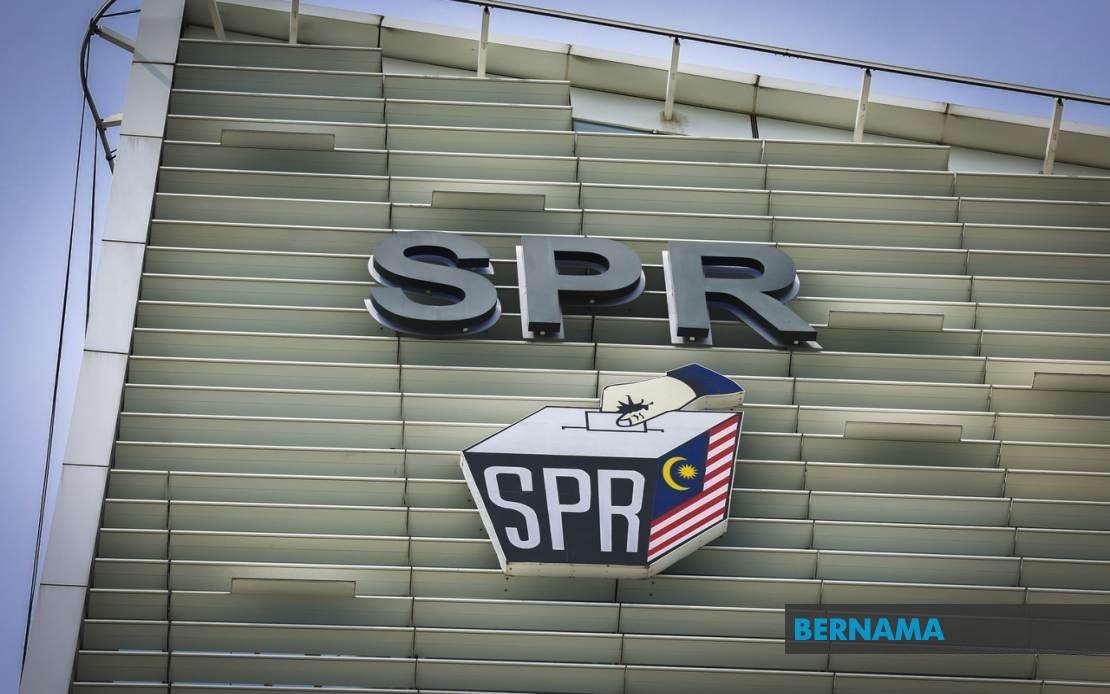
Negeri Sembilan will enter its electoral phase tomorrow as the 16th state election begins in earnest, with nomination day signalling the formal start of a two-week campaign period leading up to voting on August 1. Eight nomination centres throughout the state will operate between 9 am and 10 am, where prospective candidates must lodge their official papers with returning officers who will subsequently announce the vetted list of contestants. The timeline has been clearly defined by the Election Commission, with early voting opportunities provided on July 28 for those unable to vote on polling day itself.
The electoral contest will unfold across a substantial franchise, as the state plays host to 889,490 registered voters seeking to choose representatives across all 36 constituencies. This electorate comprises 867,151 ordinary voters supplemented by 16,884 military personnel and their spouses, plus 5,455 police personnel and their families. The voter base reflects Negeri Sembilan's demographic composition and represents a crucial swing state in Malaysia's broader political landscape, making the outcome here potentially significant for assessing regional and national political trends.
Pakatan Harapan has committed to the most comprehensive campaign strategy by contesting every single seat available, distributing candidates strategically across its coalition partners: PKR will field 16 candidates, DAP sixteen representatives will seek election under eleven nominations, while Amanah commits nine candidates to the contest. This full-spectrum approach suggests PH's confidence in its ability to mount competitive campaigns throughout the state and maintain or expand upon its performance from the previous electoral cycle.
Barisan Nasional has adopted a more selective strategy, fielding 25 candidates rather than competing for all available seats. UMNO provides the coalition's largest contingent with 16 candidates, complemented by seven from MCA and two from MIC, reflecting the traditional alliance composition that has characterized Malaysian electoral politics for decades. The decision to contest fewer seats may indicate strategic positioning or resource allocation considerations within the coalition.
Perikatan Nasional's approach demonstrates the evolving nature of this faction, confirming participation in 11 constituencies through a diverse range of component parties. PAS will contest five seats while Gerakan and the Malaysian Indian People's Party each field single candidates, with the four remaining nominations coming from Parti Wawasan Negara, the newest component party making its inaugural electoral appearance at state level. This arrangement reveals the internal complications and negotiations required to maintain coalition coherence across multiple parties with different agendas and constituencies.
Bersatu's decision to contest independently represents a notable fracture in Perikatan Nasional, as the party chose to utilize its own party logo rather than contesting under the PN banner, signalling potential tensions or divergent strategic calculations within the coalition. The party delayed announcing its candidate list, suggesting possible ongoing internal discussions or negotiations regarding its electoral strategy and positioning.
Smaller political entities also constitute part of the competitive landscape, with Parti Orang Asli Malaysia fielding one candidate and Parti Sosialis Malaysia similarly contesting a single seat. Parti Barisan Jemaah Islamiah Se-Malaysia indicated readiness to field seven candidates, adding further fragmentation to the electoral arithmetic. Conversely, MUDA, Pejuang, and Bersama have all confirmed abstention from this particular election, choosing to focus resources or efforts elsewhere.
The administrative preparations underscore the Election Commission's emphasis on procedural efficiency and candidate compliance. Prospective candidates have been encouraged to verify their nomination papers in advance at the Returning Officer's Office or the State Election Office, reducing the likelihood of documentation errors or delays during the compressed morning submission window. Similarly, candidates have been advised to remit their election deposits prior to nomination day and bring payment receipts as proof of completion, streamlining administrative processing and allowing returning officers to focus on substantive eligibility assessments rather than simultaneous financial transaction verification.
Weather conditions may influence voting participation, with the Malaysian Meteorological Department forecasting predominantly clear skies across most areas during Saturday's morning hours, though Port Dickson and Seremban face rain prospects. Afternoon thunderstorm activity is anticipated throughout the state, potentially affecting voter turnout if precipitation occurs during the morning nomination window or subsequently during the campaign period. Such considerations, while seemingly minor, can materially impact both nomination day operations and subsequent campaign activity.
The dissolution of the Negeri Sembilan State Legislative Assembly occurred on June 5 following approval from Tuanku Muhriz Tuanku Munawir, the Yang Dipertuan Besar of Negeri Sembilan, initiating the constitutional process culminating in tomorrow's nomination day. The preceding 2023 state election established the baseline from which this new contest emerges, with Pakatan Harapan having secured 17 of the 36 seats, Barisan Nasional claiming 14, and Perikatan Nasional obtaining five, creating a PH plurality that has governed the state during the intervening period. These antecedent results will substantially influence party strategies, candidate selection decisions, and strategic targeting during the upcoming campaign.
For Malaysian political observers and regional analysts, the Negeri Sembilan election serves as an important barometer of electoral sentiment within a state that has historically demonstrated volatility and competitive balance between major coalitions. The diversity of participating parties and the apparent fractures within existing alliances, particularly Bersatu's independent candidacy and the emergence of Wawasan Negara, suggest that Malaysian electoral politics continues evolving beyond the traditional two-coalition framework that dominated previous decades. The campaign period beginning tomorrow will reveal whether these structural shifts translate into meaningful voter realignment.

