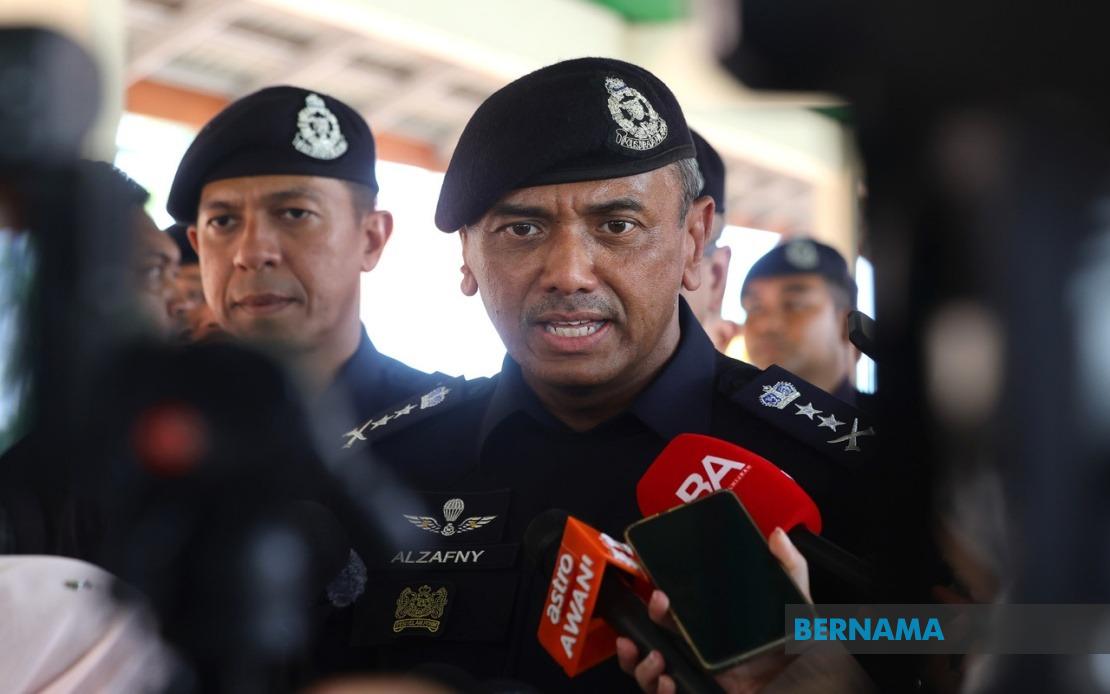
The Negeri Sembilan state election nomination process unfolded without disruption on July 18, with police declaring the day a success across all eight designated nomination centres throughout the state. State police chief Datuk Alzafny Ahmad reported that the operation maintained discipline and order from morning through noon, with supporters from all contesting parties cooperating fully with law enforcement directives. The controlled environment reflected months of preparation by authorities intent on ensuring the democratic exercise proceeded smoothly amid Malaysia's highly charged political climate.
Turnout figures revealed significant variation across nomination venues, providing early indicators of electoral momentum in different constituencies. Jempol emerged as the frontrunner with approximately 2,500 supporters rallying for their respective candidates, demonstrating robust participation in what is typically considered a stronghold for certain political factions. By contrast, Kuala Pilah attracted the smallest crowd at around 1,000 supporters, suggesting either lower political mobilisation or deliberate campaign resource allocation by contesting parties. The remaining six centres recorded figures between these bookends, painting a picture of differential engagement strategies across Negeri Sembilan's political landscape.
To maintain this peaceful environment, the state police contingent marshalled an extraordinary security presence. A total of 2,373 police officers and personnel were stationed across the eight nomination centres, their primary responsibilities spanning security maintenance, crowd control, and traffic management in the surrounding areas. This substantial deployment reflected authorities' determination to prevent the nomination process from becoming a flashpoint for inter-party tensions or communal disturbance. The successful coordination between police units and nomination officials demonstrated the institutional capacity Malaysia has developed for managing large-scale electoral exercises.
Beyond immediate order maintenance, police leadership seized the occasion to issue stern guidance regarding campaign conduct. Datuk Alzafny Ahmad explicitly cautioned all contesting candidates to avoid campaign messaging touching upon the "3Rs"—religion, royalty, and race—domains traditionally considered sensitive in Malaysian political discourse. This advisory carried particular weight given Malaysia's constitutional framework, which affords special protections to Islam, the institution of the monarchy, and indigenous rights. By flagging these boundaries at the nomination stage, police signalled their intention to police the campaign period vigilantly and indicated that the Election Commission would work collaboratively to enforce compliance.
The admonition extended beyond constitutional sensitivities to encompass broader standards of civil discourse. Police emphasised that contesting candidates should frame campaign messages around their parties' substantive policy positions and demonstrated competencies rather than resorting to inflammatory rhetoric. Specifically, authorities warned against statements containing elements of provocation, incitement, or slander—categories that, while somewhat elastically defined in practice, signal official concern about polarising language that could degenerate into communal tensions. This preemptive messaging from law enforcement reflected lessons learned from previous Malaysian electoral cycles where campaign rhetoric occasionally crossed into inflammatory territory.
A seemingly minor but symbolically significant component of police guidance involved traffic safety compliance in residential areas and villages. Candidates and their supporters were reminded to observe helmet regulations when operating motorcycles during campaign activities, a requirement reflecting both road safety consciousness and broader respect for law observance. Such directives, while practical in intent, also communicated to the public that police would maintain uniform enforcement standards regardless of political affiliation—an important confidence-building message in contexts where electoral fairness concerns persist among certain constituencies.
The collaborative framework between police and the Election Commission emerged as a critical institutional feature. Both bodies had established dedicated monitoring teams specifically tasked with ensuring candidates adhered to campaign regulations and directives throughout the election period. This coordinated approach represented a maturing of Malaysia's electoral oversight mechanisms, where security and electoral integrity functions work in concert rather than operating in silos. For Malaysian voters and international observers alike, such institutional coherence offers reassurance that the process enjoys adequate supervision and multiple accountability checkpoints.
The nominated candidates now enter a campaign period extending to August 1, when Negeri Sembilan voters will cast their ballots. Early voting operations commence on July 28, providing a preliminary test of the election machinery and logistics ahead of the main polling day. The Negeri Sembilan contest carries significance beyond the state itself, as Negeri Sembilan remains a competitive battleground where no single political coalition enjoys commanding dominance. Results here could reverberate across Peninsula Malaysia, potentially influencing broader calculations about political momentum and coalition viability heading into any future federal-level contests.
The peaceful nomination day contrasts with occasional overseas electoral exercises marked by nomination-period tensions. While Malaysian elections have generally maintained procedural integrity, the explicit police messaging and massive security deployment reflect authorities' understanding that election periods require heightened vigilance. The coordination displayed on July 18 suggests Malaysia's electoral institutions have absorbed lessons from past experiences and international best practices regarding the management of nomination processes. For Negeri Sembilan's diverse electorate—comprising urban centres, rural constituencies, and communities with distinct demographic profiles—the orderly nomination phase provides a foundation upon which the subsequent campaign and polling phases can build, hopefully sustaining the professional standards demonstrated on this inaugural day of the 16th state election cycle.

