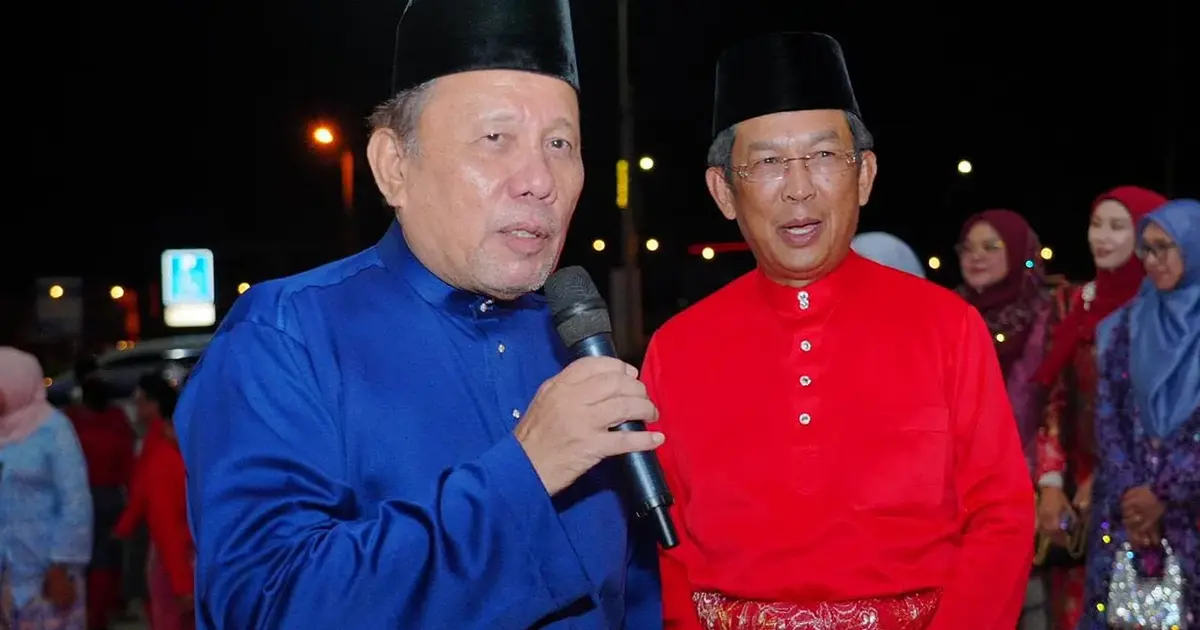
Negeri Sembilan's Umno chief Jalaluddin has categorically denied playing any role in efforts to remove the state's Menteri Besar or dethrone the ruler, dismissing allegations that have gained traction amid ongoing political turbulence in the central state.
The denial comes amid serious accusations that the Umno state leadership attempted to pressure the Menteri Besar into endorsing a document designed to facilitate the removal of the Negeri Sembilan ruler. Such allegations, if substantiated, would represent an extraordinary breach of constitutional convention and party discipline, striking at the heart of Malaysia's monarchical institution and the delicate constitutional arrangements that govern state-level governance.
The incident underscores persistent instability within Umno's Negeri Sembilan machinery, where factional disputes and power struggles have repeatedly threatened to destabilize the administration. In a state where Umno traditionally wields considerable political influence, internal discord of this magnitude carries implications extending well beyond party management, potentially affecting governance and investor confidence in the state.
Negeri Sembilan occupies a strategically important position within Malaysia's political economy. The state serves as a buffer region between the Klang Valley and the southern corridor, and its stability matters for regional commerce and development. Any sustained period of political uncertainty could undermine efforts to attract investment and implement coherent development policies, a concern that should weigh heavily on both state and federal leadership.
The allegation that party figures sought to coerce the Menteri Besar into signing such a document, if true, would violate fundamental principles of constitutional monarchy and representative government. The Negeri Sembilan ruler occupies a position of constitutional significance, and any attempt to orchestrate his removal through backdoor maneuvering would constitute a serious affront to institutional integrity. The very credibility of Umno's stewardship depends on demonstrating respect for constitutional frameworks and the rule of law.
This episode reflects broader tensions within Umno as the party navigates the aftermath of recent political upheavals at the federal level. The party has struggled to maintain cohesion and project unity following electoral setbacks and generational shifts in leadership. When factional rivalries metastasize into state-level intrigues involving questions of royal prerogative, the problem transcends ordinary internal party management and enters territory where broader democratic principles are at stake.
For Malaysian observers, the incident carries troubling implications about the health of institutional checks within the major political parties. Umno's capacity to regulate itself—to prevent senior figures from attempting constitutional overreach—determines not only its own future but also its trustworthiness as a steward of governance structures. When such allegations emerge without clear, swift, and transparent investigation, public confidence erodes across multiple constituencies.
The timing is particularly sensitive given Malaysia's ongoing efforts to strengthen democratic institutions and foster political reform. International observers closely monitor whether established parties can maintain discipline and uphold constitutional norms, particularly regarding the monarchy. Political stability at the state level contributes to Malaysia's overall standing as a functioning democracy with robust institutional safeguards, even when those institutions are occasionally tested.
Jalaluddin's emphatic denial requires careful examination against available evidence, though the substance and sources of the allegations remain unclear from public statements alone. The credibility of his position will depend not only on his words but on whether independent investigation can establish the facts. Leaving such serious accusations unresolved invites continued speculation and erodes confidence in the state administration.
Moving forward, the Negeri Sembilan Umno machinery faces a critical juncture. Party leadership at federal and state levels must determine whether to initiate formal inquiries into these allegations, thereby demonstrating commitment to internal accountability, or allow the matter to dissipate, which would signal troubling indifference to constitutional violations. The choice made will reverberate beyond Negeri Sembilan, influencing perceptions of Umno's fitness to govern and its commitment to democratic values during a period when Malaysian politics faces significant pressures and transformations.

