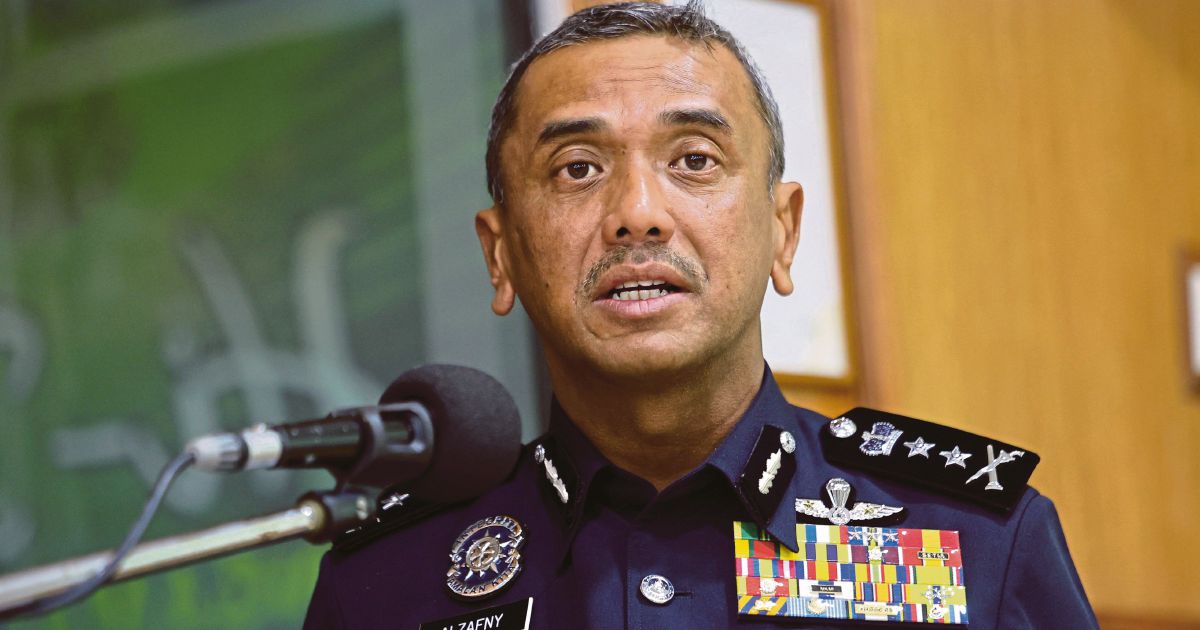
Law enforcement authorities in Negri Sembilan have issued a formal advisory to political contestants ahead of the state election, urging them to exercise restraint when discussing matters that could inflame communal tensions. The Port Dickson police command delivered the warning to ensure that the election campaign remains orderly, peaceful and respectful of the state's sensitive social fabric.
The directive specifically targets content and rhetoric related to the 3R categories—religion, royalty, and race—which have historically proven contentious in Malaysia's multicultural and multiconfessional context. These subjects touch upon the constitutional foundations of the Malaysian state, including the constitutional position of the Malay rulers and protections afforded to Islam's special position in the federation. Police officials view their intervention as preventative, designed to arrest escalation before inflammatory campaign messages gain traction during the election period.
Malaysia's electoral framework has long balanced the need for free political discourse with safeguards protecting national unity. The constitutional settlement enshrined protections for Malay-Muslim interests alongside guarantees for other communities, creating boundaries around what can be openly debated. When political campaigns brush against these boundaries, law enforcement agencies typically intervene to maintain public order and social stability. The Negri Sembilan directive reflects this established practice of policing campaign speech to prevent communal divisions.
The timing of this reminder is significant given Malaysia's recent electoral history. State elections have occasionally witnessed heated exchanges that tested these boundaries, with parties occasionally invoking divisive themes to mobilise support. Police commanders recognise that the campaign period creates elevated risk, as parties seek to distinguish themselves and capture voter attention through messaging that may veer into sensitive terrain. By issuing guidance early, authorities hope to establish clear expectations for all contestants regardless of their political affiliation.
For readers following Malaysian politics, the police advisory underscores the persistent tension between democratic expression and social cohesion that characterises Malaysian electoral competition. Unlike Western liberal democracies where nearly all speech receives protection, Malaysia's system imposes restrictions on certain categories of political messaging deemed threatening to interethnic or interfaith harmony. This reflects the country's particular history and the constitutional bargain struck at independence, which required guarantees to multiple communities.
The Negri Sembilan election assumes particular symbolic importance given the state's status and demographics. Any campaign fractures along communal lines could reverberate across the broader Malaysian political landscape, potentially influencing how future state and federal elections unfold. Police recognition of this dynamic explains their proactive approach to constraining campaign speech before problems emerge. They essentially seek to establish a cordon sanitaire around 3R issues, treating them as off-limits for campaign purposes.
Political parties contesting the election face a strategic calculation in light of this warning. Those relying on identity-based appeals must recalibrate their messaging to operate within the boundaries police have flagged. The advisory effectively narrows the permissible terrain for differentiation, forcing candidates to compete on alternative issues such as economic development, service delivery, or administrative competence. This may benefit established parties with broader appeal while constraining smaller parties that depend on narrower identity-based constituencies.
The police message also reflects broader institutional concerns about election-related unrest. Malaysia has witnessed periodic incidents during election campaigns involving clashes between rival groups or inflammatory speech that soured community relations. Rather than waiting for such incidents to occur, the Negri Sembilan authorities have chosen preventative messaging. This approach assumes that clarity about boundaries, communicated in advance, will encourage self-restraint among political actors.
Implementation of this advisory presents practical challenges. Determining exactly when campaign speech crosses from permissible criticism into prohibited territory often proves contested. Political parties may claim they are simply addressing legitimate policy disagreements while authorities view the same comments as violating 3R guidelines. This ambiguity creates scope for disputes about compliance, potentially generating controversy rather than ensuring order. The advisory's effectiveness therefore depends partly on good faith interpretation by political actors.
For Southeast Asian observers, the Negri Sembilan police intervention illustrates how the Malaysian system manages the tension between competitive democracy and multiethnic stability. Unlike some regional peers that restrict political competition more broadly, Malaysia permits vigorous electoral contests but channel them toward certain topics while policing others. This calibrated approach seeks to maintain democratic legitimacy while preventing campaigns from destabilising community relations. Whether it succeeds depends on how thoroughly political parties internalise and respect the announced boundaries.
Looking forward, the reception of the police advisory by contesting parties will reveal how seriously they take institutional guidance on campaign conduct. Parties demonstrating compliance will likely enjoy positive relationships with law enforcement throughout the campaign period. Those who test or breach the boundaries risk police intervention during the election itself, including potential action under relevant electoral and public order legislation. The implicit negotiation between police and parties therefore shapes the character of the election campaign before voting begins.

