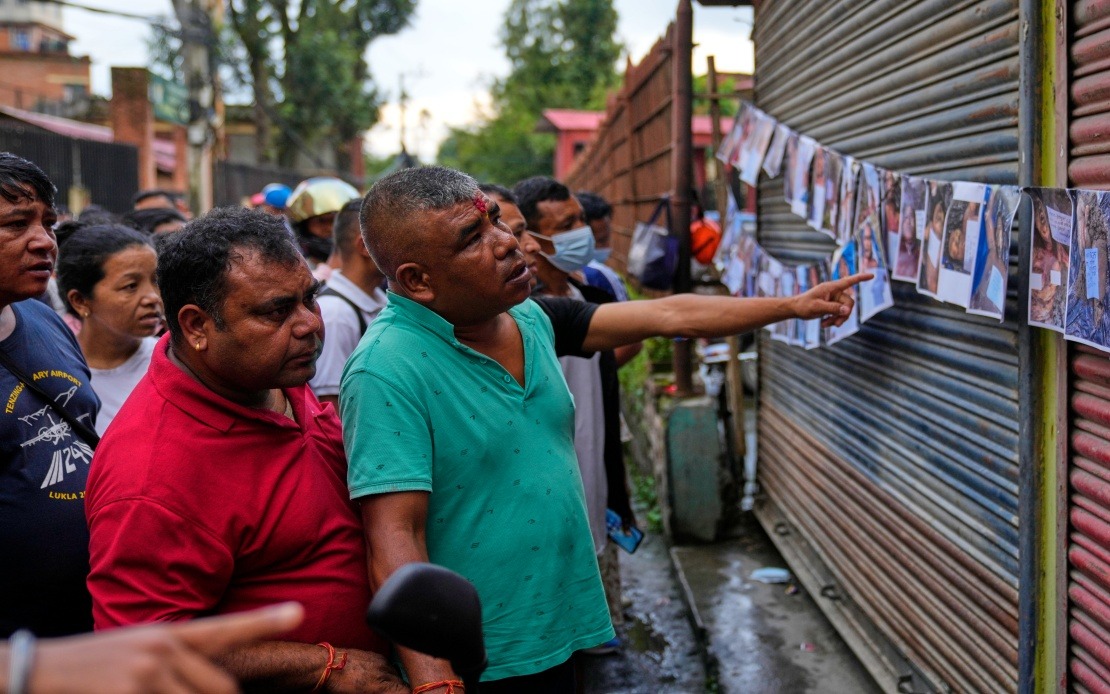
The mountainous region of Nepal remains gripped by an ongoing humanitarian crisis as search and rescue teams entered their third operational day on Friday following devastating floods that have claimed more than 500 lives. The disaster, which struck on Wednesday morning along the Bhote Koshi and Trishuli river systems in Nepal's northern Rasuwa district, has left hundreds more unaccounted for and triggered an international response involving multiple nations. Malaysia, home to several nationals caught in the catastrophe, has mobilised diplomatic and potentially military resources to assist in locating its missing citizens and providing humanitarian support to the affected communities.
Among the 55 Malaysians still unaccounted for after the deluge, two have been successfully traced as of Friday afternoon, according to Foreign Ministry Deputy Secretary-General Datuk Syed Mohamad Hasrin Tengku Hussin. The ministry cautioned that figures remain preliminary and subject to ongoing verification as information flows from Nepalese counterparts and local agencies on the ground. The cautious approach reflects the complex and fluid nature of the situation, where communication networks have been disrupted and identification of victims presents significant challenges in the remote mountain terrain.
Nepal's Department of Tourism released a comprehensive manifest on Thursday listing 537 foreign nationals from more than 30 countries who had become unreachable following the inundation. The registry, published by the Ministry of Culture, Tourism, and Civil Aviation, documented 51 Malaysians alongside their personal details, ages, and the tour operators coordinating their expeditions. The availability of such a list has provided Malaysian authorities with a crucial reference point for verifying the whereabouts of citizens, though the inherent delays in communication from disaster zones mean discrepancies and updates continue to emerge.
The catastrophic flooding was triggered by the sudden collapse of a glacial formation high in the Himalayan range, an event that released enormous quantities of water downstream with devastating force. The torrent tore through the Bhotekoshi River valley before merging with the Trishuli River system, a confluence that amplified the destructive power of the surge. The floodwaters obliterated roads, demolished bridges, destroyed buildings, and devastated critical infrastructure across multiple districts, according to local reporting by The Kathmandu Post. Communities in the direct path experienced near-total destruction, with people, vehicles, and structures swept away into the churning waters, cutting off access to several isolated settlements and complicating recovery efforts.
International rescue efforts have yielded some success despite the challenging conditions. Nepalese authorities confirmed that 121 foreign nationals had been extracted from the flood zone by Friday, though no Malaysians have yet been identified among those rescued. This absence of Malaysians in confirmed rescue tallies has intensified official concern in Kuala Lumpur regarding the specific fate of nationals unaccounted for. The disparity between the number of foreign nationals rescued and the far larger cohort of missing persons underscores both the scale of the disaster and the limitations rescue teams face in accessing affected areas and identifying survivors amid the chaos.
Malaysia's policy response has encompassed multiple tracks, with the National Security Council maintaining close liaison with the Nepalese government to calibrate the most effective form of assistance. Prime Minister Datuk Seri Anwar Ibrahim indicated that Malaysian aid could take the form of direct financial transfers or the deployment of specialist personnel. The Malaysian Special Search and Rescue Team (SMART), a highly trained unit with international deployments to its credit, has been positioned as a potential resource should the Nepalese government request its involvement. Such decisions typically involve diplomatic negotiations balancing the recipient nation's preference for assistance type with donor capabilities and ground conditions.
The identification and recovery process has emerged as a critical bottleneck constraining the overall response effort. Authorities across multiple districts downstream from the initial impact zone are recovering bodies and human remains, yet the scale of casualties combined with damage to infrastructure has created acute capacity problems. Morgue facilities in several locations have reached saturation, forcing authorities to explore temporary storage solutions while forensic and identification protocols continue. The remote geography and infrastructure damage mean that bodies recovered in outlying areas must be transported considerable distances, straining resources and potentially delaying both identification and family notification processes.
The cascading nature of this type of glacial-triggered flooding presents particular challenges for disaster response networks across the Hindu Kush-Himalayan region. Climate scientists have expressed concern that atmospheric warming is destabilising glacial structures at higher elevations, increasing the frequency of sudden releases and outburst floods. The 2021 Chamoli glacier collapse in nearby India, which triggered similar catastrophic flooding, demonstrated that such events pose recurring threats to communities in river valleys downstream. Nepal's rapid urbanisation and tourism expansion have placed growing populations in vulnerable zones, amplifying the human cost when natural disasters strike.
For Malaysian citizens and their families, the unfolding situation represents an anxious period of uncertainty. Tourism to Nepal has grown among Malaysians, with the nation's trekking routes, cultural heritage sites, and mountain landscape attracting adventure travellers and religious pilgrims alike. The disaster has highlighted the risks inherent in remote mountain tourism, particularly during monsoon season when weather patterns can shift suddenly and glacial systems come under stress. Tour operators and travel agencies have begun reviewing safety protocols and seasonal access to high-altitude regions, though balancing tourist experience with risk management remains an ongoing challenge across the sector.
The broader regional implications of this disaster extend beyond immediate rescue operations to questions of disaster preparedness and climate adaptation. Nepal, like other nations in the Himalayan region, faces mounting pressure from climate change that is accelerating glacial retreat and destabilising mountain systems. Regional cooperation frameworks for early warning systems, cross-border rescue coordination, and climate monitoring have become increasingly relevant as extreme events intensify in frequency and severity. Malaysia's engagement in the response effort, whether through rescue deployment or financial assistance, represents practical solidarity with a neighbouring Asian nation while also building diplomatic relationships and humanitarian networks valuable for regional stability.

