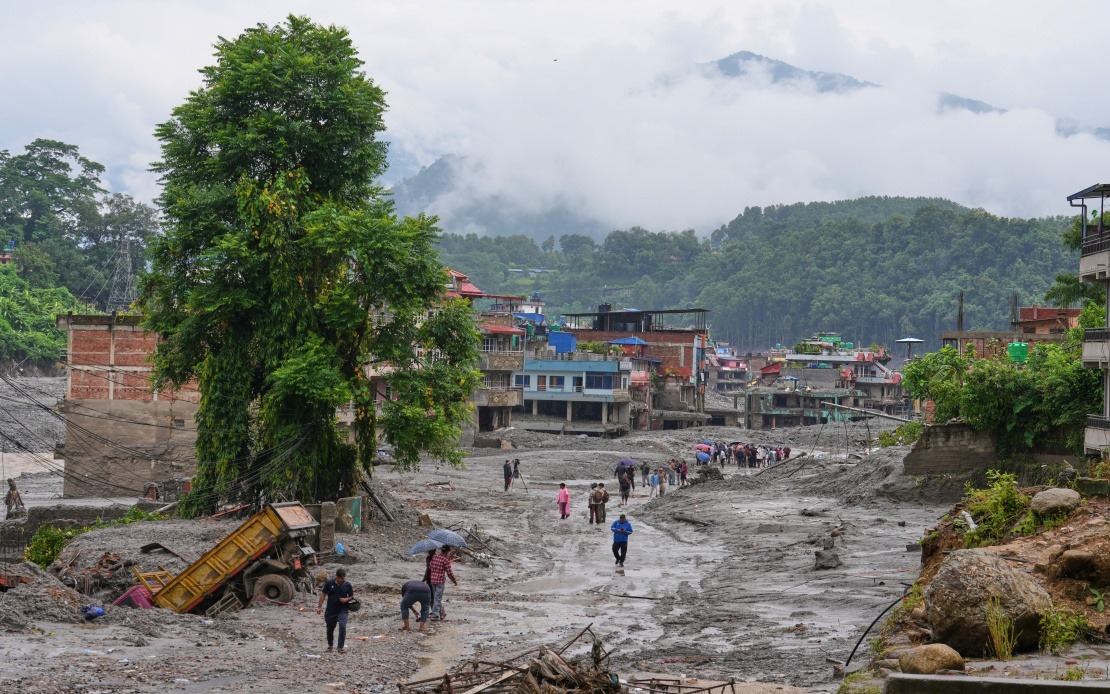
Nepal is grappling with a catastrophic mudslide disaster that has claimed at least 675 lives, according to figures released by the country's National Disaster Risk Reduction and Management Authority on Saturday evening. As rescue operations continue across affected districts, the confirmed death toll underscores the scale of destruction wrought by the geological hazard, while the search for nearly 2,500 missing persons extends beyond confirmed fatalities into a broader humanitarian emergency affecting multiple regions across the Himalayan nation.
The mudslides have created particular complications for the nation's tourism sector. Nepal's Department of Tourism reported that 753 visitors from around the world had lost contact by Saturday afternoon, a figure that reflects the indiscriminate nature of the disaster and the challenge authorities face in accounting for all affected individuals. Among those missing tourists are 589 foreign nationals, raising international alarm and prompting consular assistance requests from numerous governments as rescue teams struggle to locate survivors in mountainous terrain.
The geographic scope of the disaster spans multiple districts in central Nepal. Rasuwa, Nuwakot, and Dhading districts have emerged as the hardest-hit areas, triggering a coordinated relief response that extends from the capital. Kathmandu's District Administrative Office has issued urgent appeals for humanitarian assistance, specifically calling upon local associations, civic institutions, businesses, and private citizens to contribute relief materials to support survivors. The urgency of these appeals reflects both the immediate medical and shelter needs of displaced populations and the logistical challenges of delivering aid through mountainous, potentially compromised terrain.
For Southeast Asian readers and observers, this disaster carries particular significance beyond its immediate human toll. Nepal's tourism industry is a crucial economic pillar, and the involvement of significant numbers of foreign visitors in this crisis demonstrates how natural disasters in the region can have cascading effects on international travel, diplomatic relations, and economic recovery timelines. The loss of foreign nationals creates notification and coordination challenges for various governments and highlights the vulnerability of the tourism supply chain to environmental hazards.
The identification of specific numbers of foreign tourists among the missing also raises questions about information-sharing protocols between Nepali authorities and international partners. Swift and accurate communication about the status of foreign nationals is essential both for securing appropriate rescue resources and for managing public perception in source countries from which tourists originate. Any delays or inconsistencies in reporting can complicate diplomatic responses and international aid coordination.
The mudslide phenomenon itself reflects broader environmental challenges affecting South and Southeast Asia. These disasters are often triggered by combinations of heavy rainfall, steep topography, and land use practices that destabilize hillsides. Climate researchers increasingly link intensification of rainfall events to broader atmospheric changes, suggesting that mountainous regions across Asia may face elevated mudslide risk in coming years. Nepal's experience provides a cautionary case study for other nations with similar geographic profiles and monsoon-influenced weather systems.
Disaster management in a mountainous developing nation presents distinctive obstacles that extend beyond rescue and recovery. The coordination mechanisms demonstrated by Kathmandu's administrative structures reveal how local governance institutions must mobilise multiple societal sectors simultaneously. Private enterprises, community organisations, and individual volunteers all become essential components of response infrastructure in the absence of unlimited state resources. This multi-stakeholder approach, while necessary, also creates management complexity that can slow the distribution of aid if coordination mechanisms are inadequate.
The figure of 2,498 people still missing represents not merely an accounting challenge but a prolonged period of uncertainty for families and communities. Search operations in mountainous terrain can extend for weeks, and weather conditions may restrict access to affected areas. International search and rescue teams often provide crucial technical expertise in these circumstances, bringing specialised equipment and experience from other disaster contexts. The international dimension of this response, while beneficial, also requires diplomatic coordination and technical standardisation agreements that must be negotiated while crisis conditions persist.
For Malaysia and other ASEAN neighbours, this disaster underscores the ongoing vulnerability of the region to natural hazards and the importance of maintaining robust disaster preparedness infrastructure. While mudslides may be less prevalent in Malaysia's geological context, similar environmental hazards present recurring risks, particularly in areas experiencing rapid development or environmental degradation. The experience of overwhelmed emergency services in Nepal serves as a reminder that disaster management capacity can be rapidly exhausted when events exceed anticipated scale or complexity. Investment in early warning systems, community training, and pre-positioned resources thus represents not merely administrative prudence but essential risk management for economically dependent nations.

