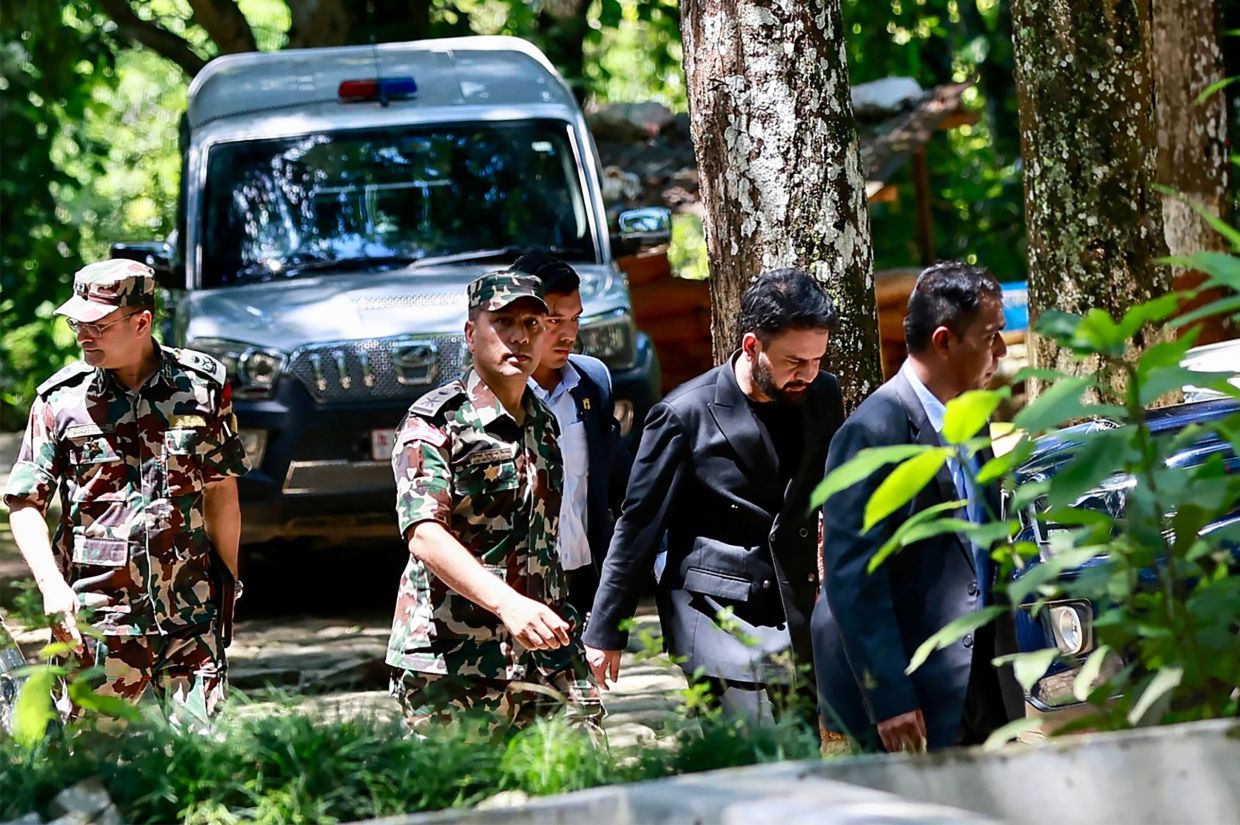
Nepal's newly elected Prime Minister Balendra Shah has described his nation as confronting an unprecedented humanitarian catastrophe following catastrophic flooding that engulfed communities across Rasuwa district and extended into the Tibetan plateau. The young leader, who rose to prominence both as a cultural figure in hip-hop circles and more recently as a political reformer, invoked the language of national trauma in characterizing the August 26 disaster, emphasizing the profound human and material toll that authorities are only beginning to comprehend.
The initial collapse of a glacial lake high in the Himalayan terrain unleashed a torrent of ice, boulders, and debris that swept through populated areas with devastating force. Official tallies now confirm at least 797 fatalities across both Nepal and the Chinese territory of Tibet, though the actual figure may prove substantially higher given the remote mountainous geography and the difficulty of accessing devastated settlements. The cross-border nature of the disaster has complicated international rescue coordination, and geopolitical sensitivities surrounding the China-Nepal border region add another layer of complexity to relief operations.
Perhaps most troubling for family members and aid organizations is the persistent uncertainty surrounding over 3,000 individuals listed as missing. A significant proportion of these missing persons were tourists and religious pilgrims journeying to Mount Kailash, the sacred peak revered across Hinduism, Buddhism, and other spiritual traditions. The timing of the disaster—occurring during a season when thousands of devotees undertake the pilgrimage to this high-altitude holy site—meant that foreign nationals and Nepali citizens were both caught in the path of destruction. Search and rescue teams have faced formidable obstacles, with treacherous terrain, unstable weather patterns, and ongoing geological hazards continuing to impede their ability to locate survivors or recover remains.
The Bhote Koshi River, which channeled the catastrophic flow through inhabited valleys, became a weapon of nature itself. Shah acknowledged in his Sunday statement that authorities still lack a comprehensive accounting of the true dimensions of the calamity. The fluid situation—both literal and bureaucratic—meant that each day brought fresh complications as surveying teams moved deeper into affected areas only to discover additional pockets of devastation that had escaped initial notice. Infrastructure damage compounds the logistical nightmare; collapsed bridges, severed roads, and destroyed communication networks have isolated communities and hampered the delivery of emergency supplies.
For Shah, a 36-year-old political newcomer who swept to office just months earlier on an anti-corruption platform, this natural disaster arrives at a particularly fraught moment. His party won parliamentary elections in March amid widespread public enthusiasm for systemic reform and better governance. The previous government had fallen in September following mass protests against corruption that gripped the nation, creating an appetite for younger, ostensibly cleaner political leadership. Yet a leader elected on promises of institutional regeneration now confronts a crisis that will test not only his competence but also the capacity of Nepal's already-strained state apparatus to marshal resources and coordinate a national response.
Nepal's economic foundation remains inherently fragile, heavily dependent on tourism revenues, remittances from workers abroad, and hydroelectric development projects. The nation's treasury lacks the substantial reserves that wealthier countries maintain for disaster relief and reconstruction. Agricultural communities across the affected districts have suffered crop losses and the destruction of irrigation infrastructure that many families depend upon for subsistence. The macroeconomic consequences of this disaster will ripple outward across Nepal's vulnerable economy for months or even years.
The catastrophe struck against a backdrop of unfinished political business. The anniversary of last year's September protests approaches, and Shah's government remains under implicit pressure to demonstrate that the mandate for change that voters granted in March is translating into tangible improvements in governance and public welfare. A fumbled response to this natural disaster could undermine the nascent legitimacy of his administration, providing ammunition to critics who question whether new leadership can actually deliver better outcomes.
International dimensions of this crisis also warrant attention for Malaysia and other Southeast Asian nations. The disaster underscores climate change vulnerabilities that affect mountainous regions across Asia, where glacial retreat and unstable water systems pose escalating risks. Nepal's experience offers cautionary lessons about infrastructure resilience and early warning systems in high-risk environments. Regional cooperation on disaster preparedness and cross-border emergency response assumes heightened importance as extreme weather events become more frequent and severe across the Hindu Kush-Himalayan corridor.
Shah's rallying call for national unity and collective effort, while emotionally resonant, glosses over the genuine resource constraints that Nepal faces in mounting an adequate response. Whether his administration can leverage international humanitarian assistance effectively, coordinate with Chinese authorities on the Tibetan side of the border, and ultimately rebuild shattered communities remains an open question. The floods have imposed upon this young leader a trial by fire that will define his tenure and shape perceptions of his government's competence during its formative months in office.

