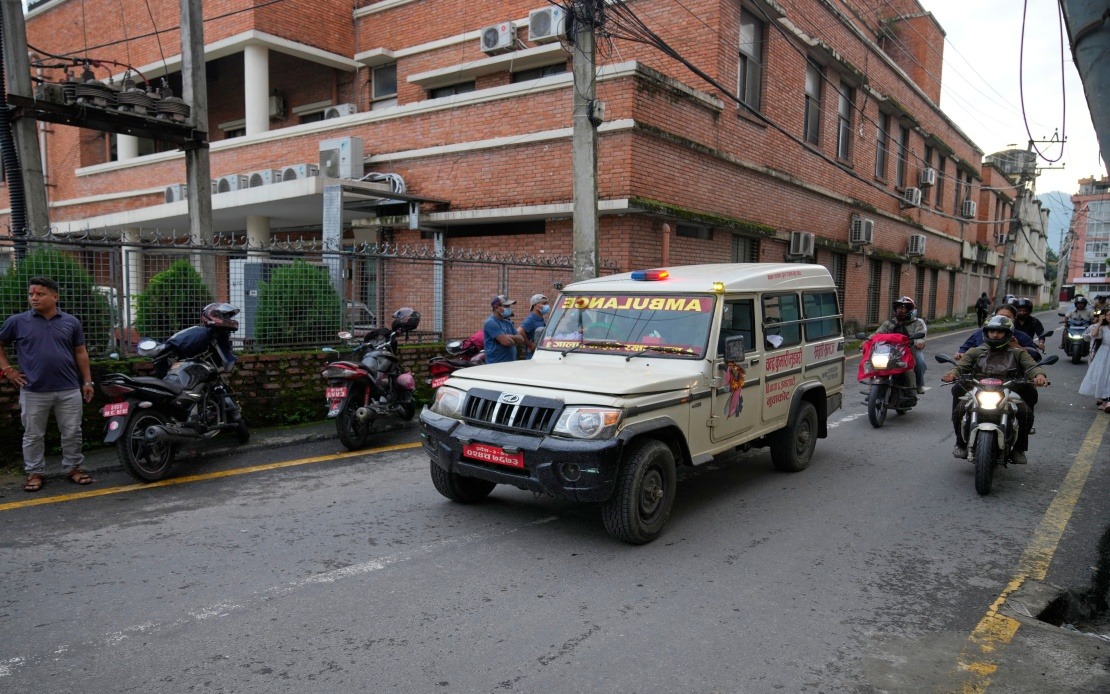
Nepal's rescue operations have managed to extract 121 foreign nationals from areas devastated by unprecedented flooding triggered by a glacial collapse in the Himalayas, though the scale of the humanitarian crisis continues to mount with hundreds still unaccounted for and the confirmed death toll climbing to roughly 550 individuals. The international composition of those rescued reflects the region's significance as a destination for trekkers, pilgrims, and workers, underscoring how natural disasters in the Himalayas carry transnational consequences that extend far beyond Nepal's borders.
According to figures released by Nepal's tourism authorities as of Friday evening, the evacuated foreigners include 85 Indian nationals, 16 Chinese citizens, nine South Koreans, and smaller contingents from Western nations including two Americans, two Russians, two Italians, and one each from Belgium, Bulgaria, Portugal, Spain, and Switzerland. The diversity of nationalities highlights how the region has become an increasingly popular destination for international adventure tourism and religious pilgrimage, particularly along the Kailash Mansarovar route that attracts devotees from across Asia and beyond.
The catastrophic flooding originated from the collapse of a glacial formation in the Himalayan range, which unleashed torrential waters through the Bhote Koshi and Trishuli river systems. This incident exemplifies the growing climate vulnerability of the world's highest mountain range, where warming temperatures and changing precipitation patterns are destabilising ancient ice formations with potentially devastating consequences for millions of people living downstream. For Southeast Asian nations, the disaster serves as a stark reminder of how environmental changes originating in the Himalayas can have far-reaching implications for water security and disaster preparedness across the region.
Nepalese authorities face extraordinary logistical challenges in managing the aftermath of this unprecedented event. Hospitals in key population centres such as Chitwan and Pokhara have reached maximum capacity, forcing rescue officials to struggle with the grim task of identifying bodies and establishing adequate storage facilities for the deceased. The inability of medical infrastructure to cope with mass casualties reflects the severe strain that such catastrophic events place on even reasonably developed regional healthcare systems, a concern that resonates across South and Southeast Asia where similar vulnerabilities exist.
Search and rescue operations continue throughout multiple downstream areas where survivors and victims' remains are still being discovered days after the initial flooding. Indian nationals have been particularly affected, with the Indian Ministry of External Affairs reporting that approximately 320 Indian citizens remain unaccounted for. However, positive developments have emerged with 63 Indian workers employed at the Trishuli hydropower project confirmed safe, and 21 rescued individuals already transferred to India for medical care and recovery.
The uncertainty surrounding an additional 100 individuals of Indian origin holding foreign passports adds another layer of complexity to the emergency response. These individuals, whose exact whereabouts remain unclear, may have been among pilgrims undertaking the Kailash Mansarovar religious journey through the Xizang region of China when the disaster struck. Reassuringly, approximately 400 Indian nationals present in the Chinese region have been verified as safe, though the fate of other Indian-origin pilgrims continues to generate anxiety among families across India and the diaspora communities.
In response to the crisis, Indian authorities have demonstrated substantial regional leadership by dispatching humanitarian assistance to Nepal. Two consignments of relief materials totalling 47.5 tonnes have already reached Nepalese authorities, with a third cargo plane scheduled to depart on Friday carrying additional emergency supplies. This rapid mobilisation reflects India's recognition of its geographic proximity to Nepal and the interdependence between the two nations when facing major natural disasters.
Nepal's government has initiated high-level coordination to manage the catastrophe. Prime Minister Balendra Shah convened a Cabinet meeting on Friday to assess the flood's immediate and long-term impacts and to coordinate recovery strategies. In a symbolic gesture intended to mobilise national commitment to relief efforts, Shah and his Cabinet colleagues pledged to donate one month's salary to the Prime Minister's Natural Disaster Relief Fund. Such gestures, while largely ceremonial, underscore the government's recognition that the disaster demands extraordinary measures and unified national response.
Regional solidarity has extended beyond India's borders, with Pakistan's Prime Minister Shehbaz Sharif telephoning his Nepalese counterpart to express condolences and confirm that Pakistan would dispatch emergency relief assistance to the affected nation. This cross-border cooperation, despite historical tensions between India and Pakistan, demonstrates how shared humanitarian imperatives can transcend regional geopolitics and create opportunities for constructive engagement during crisis situations. The precedent carries implications for how Southeast Asian nations might coordinate responses to major transnational disasters affecting the greater Asian region.
For Malaysia and other Southeast Asian economies, this disaster carries several important lessons. First, it reinforces the vulnerability of the entire Asian continental system to climate-related hazards originating in high mountain regions. Second, it highlights the necessity for comprehensive regional disaster management frameworks that facilitate rapid information sharing and coordinated humanitarian responses. Third, it underscores the importance of investing in climate adaptation infrastructure in vulnerable areas, particularly in nations where tourism and hydropower development create dependencies on regions prone to glacial and weather-related hazards. As climate change continues to destabilise Himalayan ecosystems, the frequency and severity of such transnational disasters may increase, necessitating enhanced preparedness among all Asian nations.

