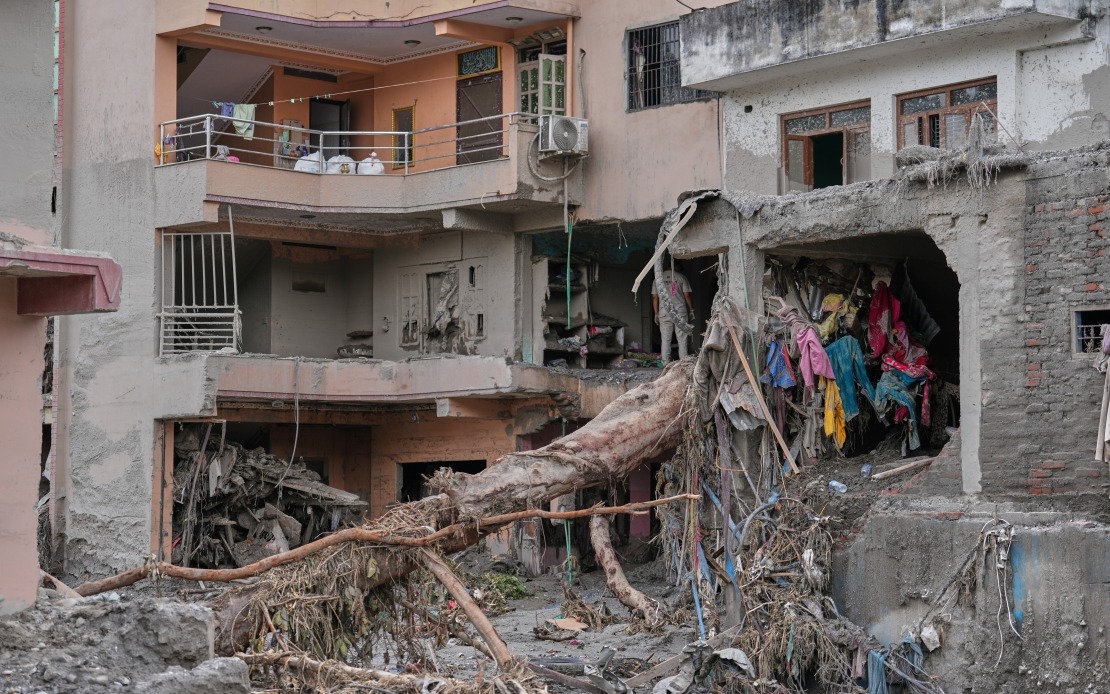
Nepal faces an enormous logistical and humanitarian challenge following the catastrophic flooding of the Bhotekoshi River on August 26, which has claimed hundreds of lives across multiple districts and devastated communities along the river corridor. Prime Minister Balendra Shah announced that the government will implement a systematic approach to managing unidentified remains by preserving genetic material and other forms of evidence that could eventually allow families to identify their loved ones, reflecting the country's commitment to respecting victims even as it navigates the immediate crisis.
The scale of the disaster became apparent as authorities continued their recovery operations across affected regions. As of Saturday evening, when the Prime Minister issued his statement through social media, 675 bodies had been retrieved from various locations spanning eight districts: Rasuwa, Dhaking, Nuwakot, Chitwan, Tanahun, Gorkha, Nawalparasi East, and Nawalparasi West. The geographical spread of casualties underscores how the river's destructive surge extended far beyond the initial flood zone, affecting communities throughout the broader watershed region.
The flooding itself represents one of Nepal's most significant natural disasters in recent years, with the Bhotekoshi River overflowing its banks and unleashing a torrent of water and debris that swept away buildings, bridges, and entire sections of infrastructure. The damage extends well beyond the immediate loss of life, with extensive destruction to homes, agricultural land, and critical transportation and utility networks that will require substantial reconstruction efforts in the coming months.
Government protocols for managing mass casualty disasters typically involve rapid identification and burial within cultural and religious frameworks, but the sheer number of deceased and the challenges of identifying bodies destroyed or severely damaged by floodwaters have necessitated a more methodical approach. By preserving DNA samples and other identifying evidence—such as dental records, personal items, or physical characteristics—authorities create a database that can be matched against missing persons reports and DNA from family members seeking to identify their relatives.
This approach reflects modern forensic practices adopted in disaster management across the region. Several Southeast Asian nations have implemented similar protocols following major disasters, recognizing that families' need for closure and proper burial rites often extends beyond the initial emergency response phase. The preserved evidence can be critical months or even years later when families finally come forward with information or when genetic testing technology becomes available to grieving relatives.
Nepal's decision carries particular weight given the country's experience with multiple natural disasters in recent decades. The devastating 2015 earthquake that killed nearly 9,000 people created similar challenges in body identification and management, lessons that have informed current disaster response protocols. Preserving evidence represents an institutional learning curve within Nepal's emergency management framework.
For Malaysia and other Southeast Asian nations, the Nepalese response offers insights into how governments can balance the urgency of mass burial with the long-term needs of bereaved families. The region faces similar flood risks, particularly during monsoon seasons, and the protocols being implemented in Nepal may inform preparedness planning across neighbouring countries. The densely populated river corridors and rapid urbanization in many Southeast Asian valleys mean that future flooding events could similarly affect multiple jurisdictions and require coordinated disaster response.
Prime Minister Shah's emphasis on government responsibility for managing unidentified remains also signals a commitment to avoiding mass unmarked graves that could trouble communities for generations. This reflects evolving international humanitarian standards that recognize the importance of dignity in disaster response, even when resources and circumstances are severely constrained.
The recovery and identification process will likely extend well beyond the immediate aftermath of the flooding. Families from across Nepal and possibly neighbouring regions will travel to affected areas seeking information about missing relatives. The DNA database established by authorities will become a crucial reference point for these searches, potentially providing answers to families whose loved ones cannot be visually identified.
As Nepal mobilizes its resources for recovery and reconstruction, the decision to preserve evidence from unidentified victims demonstrates how disaster management has evolved to encompass not just emergency response but also long-term resolution for grieving families. The coordination required across multiple districts and between government agencies will test Nepal's institutional capacity, but also provides a framework that other vulnerable nations in the region can study and adapt to their own circumstances.

