Nepal's former finance minister Bishnu Prasad Paudel was taken into custody late Monday evening on suspicion of money laundering, according to statements from the country's police force. The arrest represents a significant moment in the South Asian nation's ongoing struggle with financial crime and represents a test of the new administration's resolve in pursuing high-profile corruption cases.
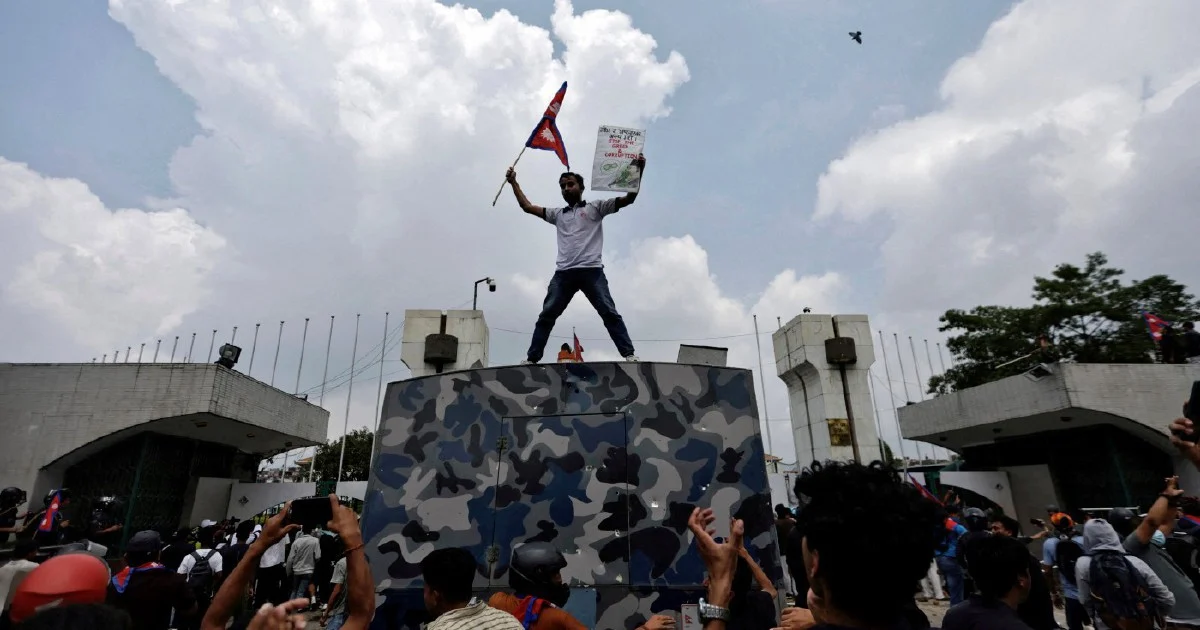
The detention of Paudel arrives as Nepal's newly installed government, led by younger politicians and significantly backed by the country's Generation Z voters, intensifies its campaign against what officials characterise as endemic corruption embedded in previous administrations. This push reflects broader promises made during the recent electoral campaign to clean house and restore public confidence in governance and institutional integrity.
Money laundering charges carry substantial legal weight in Nepal, with investigations typically focusing on how illicit funds are channelled through the financial system to obscure their origins. For a sitting finance minister from a previous government to face such allegations underscores the severity with which authorities are now pursuing financial crime cases that may have previously received less rigorous scrutiny.
The timing of Paudel's arrest signals that the new administration intends to move swiftly on its anti-corruption agenda. Rather than delay investigations into potentially sensitive political figures, officials have demonstrated willingness to act decisively against former cabinet members, a move that could either strengthen public trust in institutions or trigger accusations of political vendetta, depending on how Nepali observers interpret the evidence and the conduct of the investigation.
For regional observers, including Malaysian and other Southeast Asian analysts, the Nepali case illustrates the complexities facing newer, reform-minded governments trying to balance the need to address past wrongdoing with the practical challenges of investigating and prosecuting established political figures. The approach taken in Kathmandu may offer lessons—both positive and cautionary—for other nations in the region grappling with similar questions about how extensively to pursue the financial misdeeds of predecessors.
Nepali financial institutions and international observers have long expressed concerns about money laundering networks in the Himalayan nation, which sits as a potential transit point for illicit funds moving through South Asia. Previous investigations have identified weaknesses in anti-money laundering compliance and reporting structures, creating pathways that sophisticated operators might exploit. The renewed focus on prosecuting such crimes could represent an important tightening of oversight.
The involvement of a former finance minister specifically raises questions about whether financial system vulnerabilities may have been exploited from within government itself. If proven, such a scenario would suggest institutional lapses at the highest levels of Nepal's economic administration and could necessitate broader reforms to treasury operations and financial oversight mechanisms.
Paudel's case will likely test the capacity of Nepal's law enforcement and judicial systems to handle politically sensitive investigations impartially. The credibility of any prosecution will depend heavily on the quality of evidence, the transparency of the investigative process, and the fairness of judicial proceedings—factors that often come under scrutiny in cases involving former senior officials.
The Gen Z-influenced governing coalition has staked considerable political capital on its anti-corruption platform, making the successful prosecution of high-profile figures from previous administrations important to maintaining voter confidence. However, the government must also ensure that its enforcement efforts are grounded in genuine wrongdoing rather than perceived as settling political scores, as the latter could undermine rather than strengthen institutional credibility.
International financial institutions, including those monitoring Nepal's compliance with global money laundering standards, will likely be watching how thoroughly authorities investigate these allegations and whether their findings lead to systemic reforms. Enhanced scrutiny of financial crime in Nepal could have implications for the country's international financial relationships and its standing within regional compliance frameworks.
The arrest also comes at a time when financial crime more broadly has become an increasingly visible issue across South Asia. Neighbouring countries have pursued their own high-profile money laundering cases, creating competitive pressure within the region to demonstrate commitment to financial integrity and transparency. Nepal's actions may be partly motivated by a desire to align with international norms and demonstrate seriousness about tackling financial crime.
As the investigation unfolds, the outcome will provide important signals about whether Nepal's institutional reforms translate into genuine accountability or remain largely performative. The handling of Paudel's case—from arrest through legal process—will shape public and international perceptions of the new government's commitment to fighting corruption, particularly among the younger voters who provided the electoral mandate for reform-focused leadership.