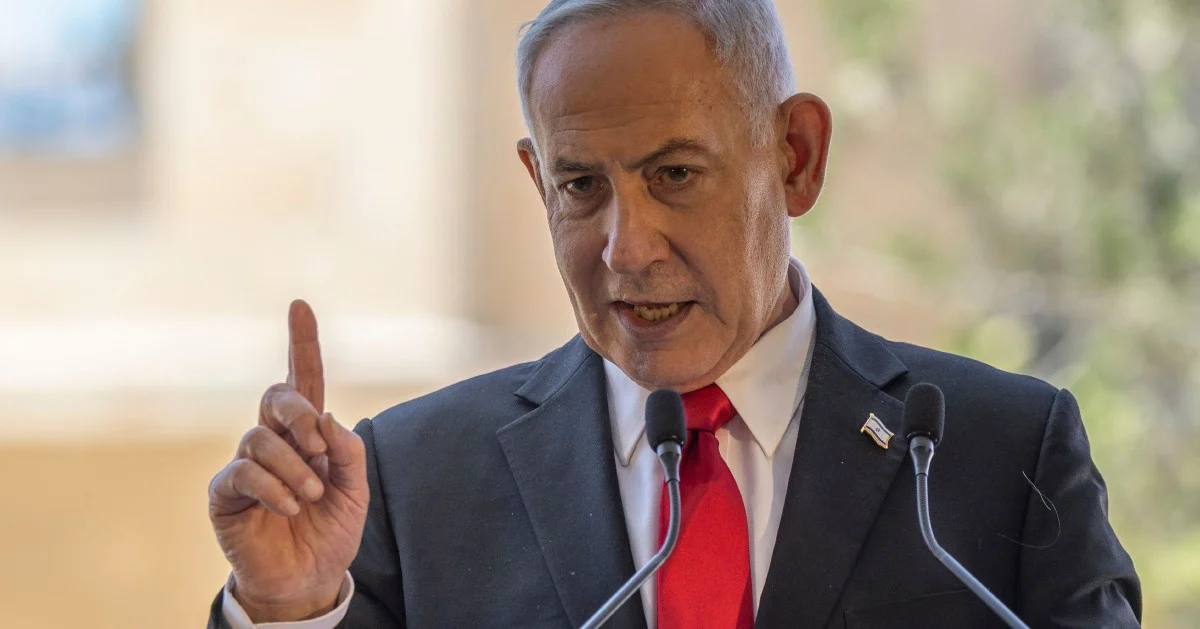
Prime Minister Benjamin Netanyahu's government is attempting to force through a package of contentious legislation in a compressed timeframe as Israel's parliament edges toward dissolution, setting the stage for national elections scheduled roughly four months away. The push has ignited sharp rebukes from opposition figures who argue the manoeuvre circumvents normal democratic scrutiny and leverages the government's current parliamentary advantage before power potentially shifts hands. This legislative sprint represents a final opportunity for Netanyahu's coalition to cement policy preferences into law while maintaining legislative control, a strategy that has become increasingly common in Israeli politics during transitional periods.
The timing of this legislative blitz reflects a calculated political calculation. With the Knesset preparing to dissolve, the government faces a rapidly closing window to advance its agenda through the current parliamentary configuration. Opposition leaders have characterised the effort as an attempt to ram through bills that would otherwise face greater resistance under normal legislative procedures, particularly given the contentious nature of several proposals. The strategy underscores the intense partisan divisions currently fracturing Israeli politics, where control of parliament has become a zero-sum competition between governing coalitions and opposition forces.
For Malaysian observers and policymakers, this development illustrates broader patterns in parliamentary democracies where governments exploit transitional periods to advance controversial measures. The Israeli scenario demonstrates how dissolution timelines can become tactical tools in political competition, a dynamic relevant across Southeast Asian legislatures where similar pressures arise during government transitions. The contrast between expedited legislative processes and democratic deliberation raises questions about institutional safeguards that might protect minority interests during such compressed parliamentary windows.
The nature of Netanyahu's proposed legislation remains a central point of contention. While specific bills have not been enumerated in detail, Israeli government pushes during pre-election periods typically encompass measures affecting judicial appointments, settlement policy, security protocols, and governance structures. Opposition parties argue that decisions of such magnitude warrant fuller parliamentary debate and public consultation rather than rushed passage during caretaker governance periods. The intensity of resistance suggests these proposals address fundamental questions about Israel's constitutional structure and governance framework.
This legislative manoeuvre occurs against a backdrop of persistent political fragmentation in Israeli politics. Netanyahu's coalition has required constant negotiation with smaller parties holding pivotal parliamentary seats, creating a governing arrangement characterised by frequent crises and narrow majorities. The approaching dissolution amplifies each player's leverage, as parties contemplate their positioning in the coming elections and attempt to secure legislative victories before the current arrangement dissolves. This dynamic has produced a succession of crises that repeatedly threatened government stability over recent years.
The opposition's condemnation carries weight given their historical experience with similar tactics. Previous Israeli governments, both left and right-leaning, have faced criticism for attempting to pass contentious measures during pre-election periods when parliamentary scrutiny typically weakens. The establishment of informal norms regarding restraint during caretaker phases has repeatedly come under strain as governing coalitions prioritise policy objectives over consensual governance practices. These recurring episodes highlight how parliamentary democracy can be tested when tactical advantage overrides institutional conventions.
For regional observers, the Israeli experience offers insights into how coalition politics functions under stress. The necessity of maintaining parliamentary backing through small parties creates vulnerability that governing coalitions often exploit through accelerated legislative activity. This pattern resonates across several Southeast Asian democracies where coalition arrangements similarly constrain executive flexibility and force adaptation of legislative schedules. Understanding these dynamics proves valuable for policymakers assessing government stability and legislative predictability.
The compressed timeline for parliamentary dissolution creates genuine practical complications beyond purely political considerations. Civil servants and parliamentary administration must manage documentation, committee work, and procedural requirements within abbreviated schedules. Bills passed under such conditions sometimes contain drafting inconsistencies that emerge only during implementation. This administrative dimension adds substance to opposition objections that extend beyond partisan disagreement to encompass institutional functionality and legislative quality.
The upcoming elections will determine whether voters endorse or reject Netanyahu's coalition record, including any measures successfully passed during this legislative dash. Opposition parties anticipate that public reaction to controversial bills will factor into campaign messaging and electoral calculations. This electoral dimension adds urgency to the current legislative push, as both government and opposition recognise that parliamentary composition over the next term will determine policy direction across multiple years. The intensity of current manoeuvring reflects understanding that electoral outcomes will either validate or repudiate the government's final legislative efforts.
International observers and Israeli civil society organisations have monitored these developments closely, with some expressing concern about the legislative process itself rather than taking partisan positions on individual bills. These institutional commentators highlight how accelerated procedures can diminish transparency and reduce opportunities for stakeholder consultation that normally characterises Israeli lawmaking. The emphasis on process alongside substance reflects understanding that democratic legitimacy depends not solely on electoral mandates but also on governance practices that respect deliberative institutions.
Longer-term implications for Israeli governance structures remain uncertain pending electoral outcomes and subsequent coalition formation. If Netanyahu's bloc retains parliamentary control, the measures passed during this period will establish precedents and policy frameworks lasting multiple years. Conversely, should opposition parties gain control, they will inherit governance structures partly shaped by Netanyahu's current legislative achievements, potentially creating lasting complications. These contingencies explain the fierce intensity surrounding bills being advanced during this final pre-dissolution phase, as both sides recognise enduring consequences flowing from parliamentary outcomes.
The episode illustrates why parliamentary dissolution calendars carry political significance extending far beyond constitutional formalities. The specific timing of elections, announcement of dissolution, and composition of interim governments create tactical opportunities that sophisticated political actors exploit through accelerated legislative activity. Understanding these dynamics proves essential for assessing how nominally democratic institutions can function differently depending on political circumstances and timing of electoral contests.

