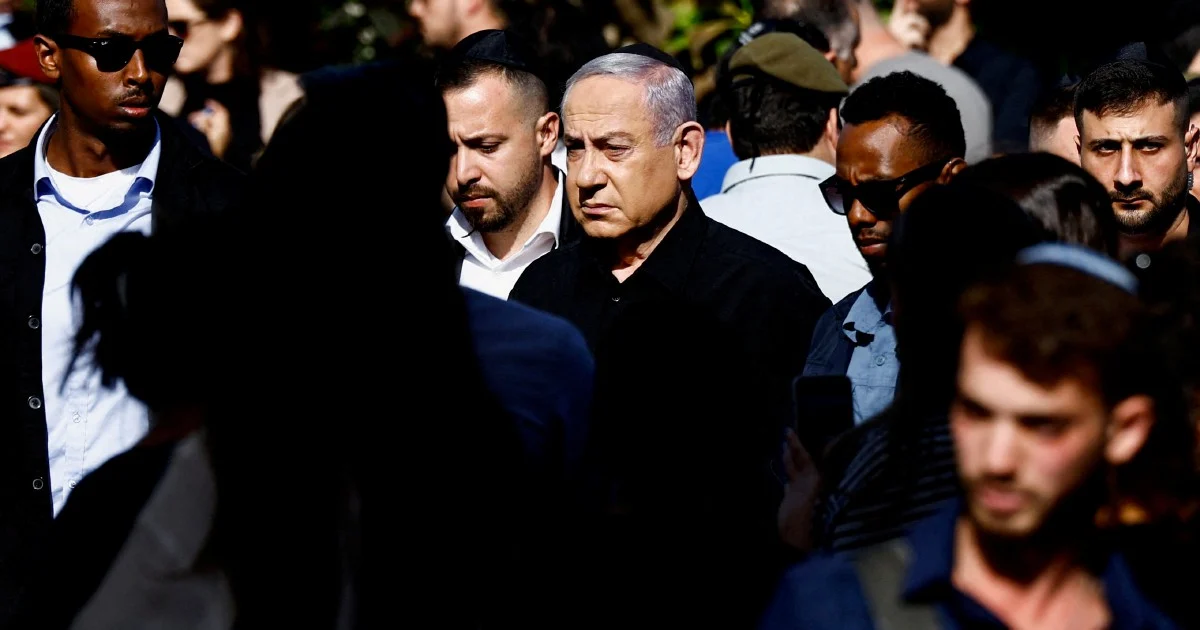
Israeli Prime Minister Benjamin Netanyahu has concluded his testimony in his corruption trials, according to a statement from the country's justice ministry on Wednesday. The completion of his courtroom appearances represents a pivotal moment in legal proceedings that have dominated Israeli politics and international headlines throughout his tenure as leader.
Netanyahu has faced multiple charges of bribery, fraud, and breach of trust across three separate cases spanning several years. His decision to testify personally in court represented an unusual and legally risky move for a sitting prime minister, as cross-examination by prosecutors left him exposed to pointed questioning about his conduct. The testimony concluded despite ongoing political turbulence and shifting regional dynamics that have occupied his administration's attention.
The trials have presented Netanyahu with an unprecedented challenge: maintaining his authority as prime minister while simultaneously defending himself against serious criminal allegations in an open courtroom setting. Throughout the proceedings, he has consistently maintained his innocence and characterised the charges as politically motivated. His legal team has argued that his actions were consistent with legitimate exercise of his ministerial responsibilities.
For Malaysia and other Southeast Asian nations, Netanyahu's legal predicament carries broader implications for understanding how political institutions function under pressure. The Israeli legal system's insistence on holding even sitting leaders accountable to the courts reflects a principle of judicial independence that resonates differently across the region's varied political landscapes. The contrast between Israel's approach and governance models elsewhere in Asia underscores divergent constitutional philosophies.
The conclusion of Netanyahu's testimony occurs amid significant strains on Israel's strategic position in the Middle East. Regional observers have focused intensely on international negotiations affecting the balance of power, with Israeli security establishment expressing deep concern about agreements negotiated with external powers. These diplomatic developments have placed Netanyahu under pressure on multiple fronts—legal, political, and strategic—simultaneously.
For Israeli voters, the corruption trials have represented a defining feature of recent elections and coalition negotiations. Netanyahu's political rivals have seized on the legal challenges as evidence of unsuitability for continued leadership, while his supporters have rallied behind him, viewing prosecution as persecution by political enemies. This polarisation has affected Israel's ability to form stable governments and pursue consistent long-term policies.
The international dimension of Netanyahu's trials extends beyond Israel's borders. Prime ministers and leaders across the world have watched the proceedings with interest, noting how democratic systems manage the delicate balance between holding leaders accountable and maintaining government stability. The case has generated discussion among legal scholars and political analysts regarding the appropriate limits of judicial intervention in executive authority during times of national security concern.
Netanyahu's testimony strategy reflected careful calculation about how to present his position to the court. His legal team evaluated risks and benefits of putting the prime minister in the witness stand, ultimately deciding that personal testimony could effectively address key prosecution allegations. The decision meant Netanyahu spent considerable court time responding to challenging questioning, a process that concluded this week.
The broader context of Israel-Iran relations has added weight to Netanyahu's political difficulties. His government has actively opposed what it characterises as insufficient safeguards within international agreements, arguing that regional security requires stronger constraints on Iranian capabilities. This strategic assessment has become entangled with his personal legal battles, as critics argue that his political interests may influence security policy recommendations.
For Southeast Asian observers monitoring global governance trends, Netanyahu's situation illustrates tensions inherent in modern democracies when senior officials face criminal charges. The question of whether a leader facing serious trial should continue governing, or whether legal proceedings should take precedence, has no universally accepted answer. Different countries' constitutional frameworks provide varying responses based on their historical experiences and institutional traditions.
The completion of Netanyahu's testimony does not mean his legal battles have concluded. The court must now weigh evidence presented throughout the trial process and render verdicts on the charges. This phase could extend considerably, given the complexity of the cases and the volume of evidence involved. Sentencing, should convictions occur, would represent another stage in proceedings that have already consumed years.
Israeli political observers note that the timing of Netanyahu's testimony conclusion, amid regional tensions and diplomatic challenges, underscores the difficulty of separating domestic legal proceedings from international relations and national security concerns. The prime minister's ability to function effectively in office while simultaneously mounting legal defence remains a central question for Israeli governance moving forward, with implications extending to how other democracies address similar constitutional dilemmas.