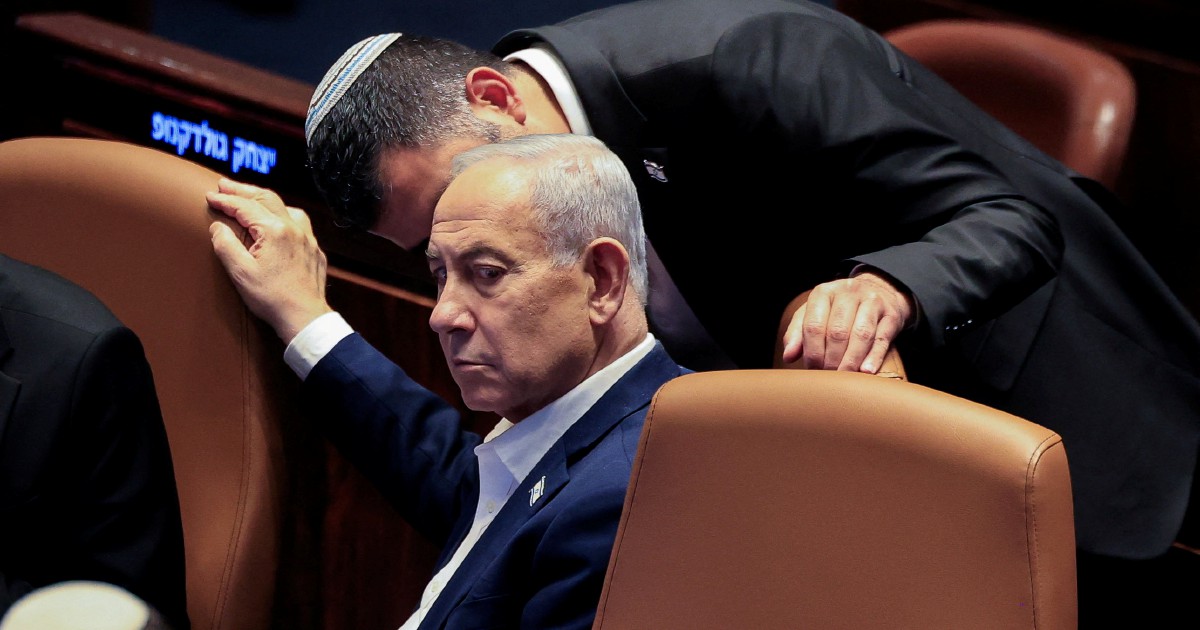
The office of Israeli Prime Minister Benjamin Netanyahu issued a sharp rebuke on Sunday targeting New York Mayor Zohran Mamdani, following comments in which the mayor indicated he was deliberating the possibility of detaining the Israeli leader ahead of his anticipated attendance at the United Nations General Assembly summit.
The confrontation reflects rising tensions between Israeli officials and certain American municipal leaders over Netanyahu's position and policies, particularly regarding his government's military operations. Mamdani's remarks touched on a delicate issue: the relationship between diplomatic immunity, international law, and local jurisdiction in a city that hosts the world's preeminent international organisation.
New York City, as the headquarters of the United Nations, occupies a unique position in global diplomacy. The presence of UN facilities within US territory creates complex legal terrain where international conventions protecting diplomatic figures intersect with municipal law enforcement authority. Netanyahu's visits to New York for UN assemblies have previously drawn protests and security concerns, but the mayor's suggestion that arrest might be contemplated escalates political rhetoric to an unprecedented level within mainstream American city governance.
The Israeli Prime Minister's office characterised the mayor's comments as inappropriate and inflammatory. Officials emphasised that Netanyahu, as a sitting head of government, possesses diplomatic protections under international law, and that any attempt to pursue legal action against him would violate established protocols governing heads of state and government. This argument carries weight under the Vienna Convention on Diplomatic Relations, which the United States has ratified and generally respects.
Mamdani's position as New York's mayor gives his statements particular resonance, given the city's role as a global political stage and its significant Jewish and pro-Israel communities alongside substantial Palestinian and pro-Palestinian populations. The mayor's equivocation about whether to order an arrest—rather than outright dismissal of the possibility—suggests an intentional rhetorical strategy to appeal to constituents critical of Israeli government policies, even while acknowledging legal constraints.
The controversy arrives amid broader international debate surrounding potential criminal accountability for Israeli officials. The International Criminal Court in The Hague has issued arrest warrants for Netanyahu and others in connection with alleged war crimes, though the United States is not a party to the ICC and would not be obligated to enforce such warrants. Nonetheless, these international legal developments provide context for Mamdani's remarks and reflect growing international criticism of Israel's military conduct.
For Malaysian observers and policymakers, this episode illustrates how Israeli-Palestinian tensions and debates about international accountability increasingly intersect with internal political divisions within Western democracies. The willingness of an American municipal leader to openly contemplate arresting a visiting head of government demonstrates the depth of polarisation around Middle Eastern conflicts, even among allies of the United States and Israel.
The incident also underscores how international law, diplomatic protocol, and domestic political pressure create competing frameworks for action. While Mamdani's suggestions appear legally unviable under established conventions, his articulation of them reflects genuine constituency concerns about accountability and justice. This tension between what constituents demand and what international norms permit remains largely unresolved in contemporary politics.
Southeast Asian nations, several of which maintain diplomatic relations with both Israel and Palestinian representatives, may view such incidents as cautionary examples of how local political conflicts can strain relationships with foreign leaders and complicate bilateral engagement. The episode suggests that Netanyahu's international travel now involves navigating not merely formal government-to-government diplomacy but also city-level political opposition, which could affect his ability to participate in multilateral forums.
The broader ramification concerns whether major world cities hosting international organisations should become venues for enforcing international justice mechanisms against visiting dignitaries, or whether diplomatic immunity and functional necessity require a separation between host-city politics and international legal accountability. This question will likely resurface as international criminal jurisdiction expands and domestic political divisions over foreign policy deepen in Western capitals.
Netanyahu's office has signalled it expects the United States government to uphold its international obligations to protect foreign leaders attending UN functions. Whether Washington will issue formal assurances to Israel about security and legal protection during the upcoming summit remains to be seen, though precedent suggests such assurances would be provided as part of standard diplomatic practice.

