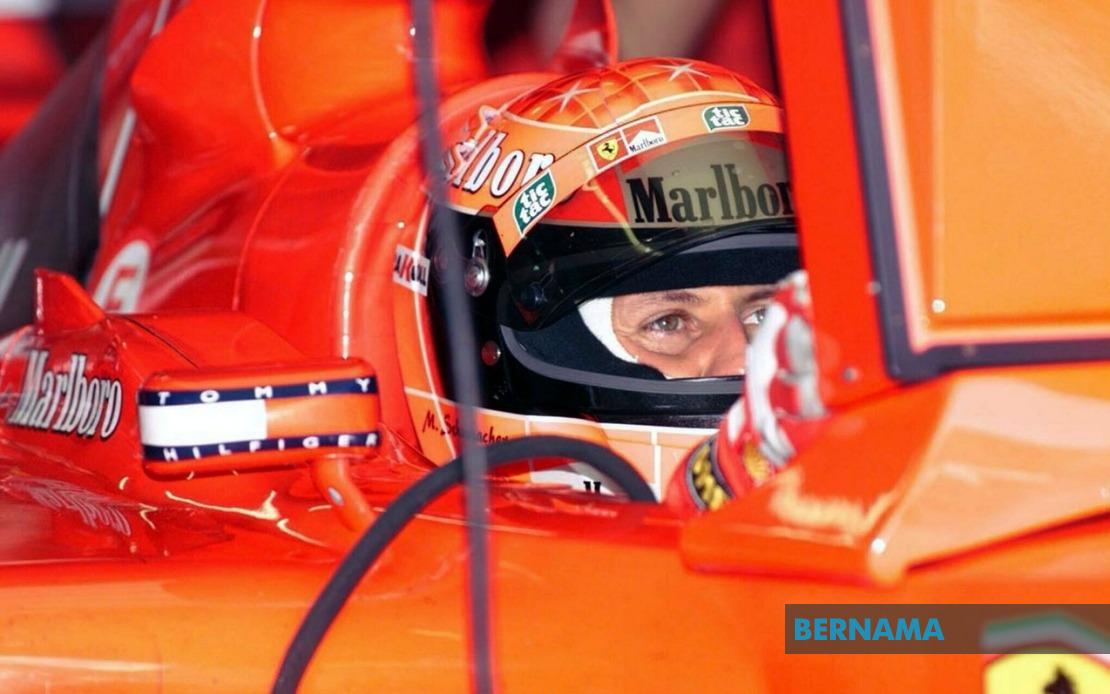
Netflix has confirmed that it will premiere a documentary focused on German racing legend Michael Schumacher on October 2, providing audiences with an intimate look at one of sport's most defining yet turbulent years. The production marks a significant moment for the streaming platform's sports documentary portfolio, offering viewers unprecedented access to the personal story behind one of Formula One's greatest figures.
Produced in collaboration with Schumacher's wife Corinna, the documentary centres on the 1994 racing season when the then 25-year-old claimed the first of his record-equalling seven world championships. This particular year stands out as a pivotal and deeply complex period in motorsport history, encapsulating both Schumacher's extraordinary rise and the sport's darkest moments. The film traces his evolution from an outsider struggling for recognition to the dominant force who would reshape Formula One for the next two decades.
The 1994 season remains etched in motorsport folklore for multiple reasons, not all of them celebratory. Schumacher's Benetton team faced persistent allegations of technical rule-breaking throughout the campaign, with rival teams and observers questioning whether the car's performance advantages stemmed from engineering excellence or regulatory violations. These controversies would cast a shadow over what should have been an unambiguous triumph, forcing the documentary to confront uncomfortable questions about competitive fairness and the sometimes blurred lines between innovation and cheating in professional motorsport.
Beyond sporting competition, 1994 marked one of Formula One's darkest weekends when two drivers lost their lives during the same Grand Prix weekend in San Marino. Roland Ratzenberger and three-time world champion Ayrton Senna both perished in accidents at Imola, shocking the racing world and prompting soul-searching about safety standards across the sport. Schumacher's championship triumph arrived in the shadow of these tragedies, adding an unexpected poignancy to his achievement and raising complex questions about how to celebrate sporting success amid such loss.
The documentary assembles an impressive roster of participants who directly experienced that momentous season. Corinna Schumacher provides the family perspective, offering insights rarely shared publicly since her husband's skiing accident in 2013. Flavio Briatore, who led Benetton as team principal during that controversial campaign, discusses the team's motivations and approach to technical development. Bernie Ecclestone, who as Formula One's commercial mastermind shaped the sport's direction, contributes historical context. David Coulthard, a driver competing that season, provides a competitor's viewpoint, while Willi Weber, Schumacher's manager at the time, recalls the personal dimensions of navigating such a tumultuous year.
Among the cultural phenomena the film documents is the emergence of "Schumi-mania" in Germany, where Schumacher's success sparked unprecedented enthusiasm for Formula One among German audiences. His nationality, combined with his remarkable performances and compelling personal story, transformed him into a national sporting icon. This marketing and cultural shift would have lasting implications for how the sport engaged with audiences across Europe and globally, with Schumacher becoming the first driver to truly transcend racing's traditional fan base.
The season's climactic moment arrived in Adelaide, Australia, when Schumacher secured his first championship by edging out British driver Damon Hill by a single point. The race itself became controversial when Schumacher's car made contact with Hill's vehicle during a crucial overtaking manoeuvre, with observers disagreeing sharply about whether the collision represented legitimate racing or deliberate collision. This final act encapsulated the season's defining tensions between triumph, controversy, and tragedy.
For Malaysian and Southeast Asian viewers, Schumacher's story holds particular resonance beyond motorsport. His early career struggles and ultimate vindication reflect themes of perseverance and determination that resonate across cultures. Moreover, Formula One's expansion into Asia during this period represented the sport's growing global ambitions, with Malaysia itself becoming an integral part of the Formula One calendar. The documentary thus serves as a window into how an international sport evolved and how one driver's journey intersected with broader transformations in global athletics and celebrity culture.
The timing of the documentary arrives at a moment when Schumacher's personal circumstances have remained largely private since his 2013 skiing accident that left him with severe neurological injuries. Now 57 years old, the racing legend has rarely appeared publicly, making this production's access to family members and close associates particularly significant. The film represents perhaps the closest the public will come to understanding the full arc of his extraordinary sporting life, from determined youngster to controversial champion to recovery and adaptation following his injury.
Netflix's commitment to this high-profile sports documentary demonstrates the streaming platform's strategy of investing in prestige productions that attract both casual viewers and passionate enthusiasts. By examining a complex historical moment rather than simply celebrating Schumacher's achievements, the production promises nuance and depth that could elevate documentary sports filmmaking. For audiences seeking to understand Formula One's history, Schumacher's legacy, and the moral complexities inherent in elite competition, the October 2 premiere offers an opportunity to engage with one of sport's most compelling yet contested chapters.

