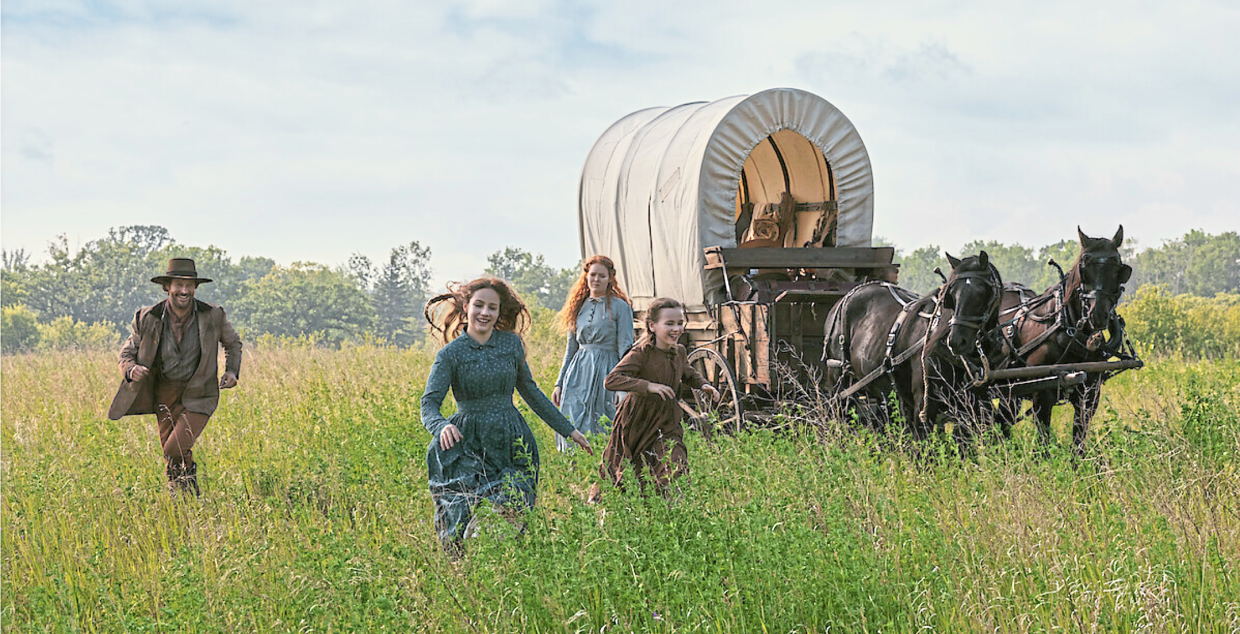
Netflix is preparing a fresh take on one of American literature's most enduring stories with its 2026 adaptation of Little House On The Prairie, bringing the classic 1935 novel to contemporary audiences through the streaming giant's platform. Australian actor Luke Bracey anchors the production as Charles Ingalls, the father figure whose moral compass guides the family through the hardships and triumphs of frontier existence. The casting marks a significant international dimension to the project, with Bracey bringing his experience from major film and television roles to this landmark adaptation.
At its heart, the story explores timeless themes of family resilience and unconditional love that have resonated across generations since the original novel's publication nearly nine decades ago. Bracey emphasises that the enduring appeal of the Ingalls family narrative is far from coincidental, suggesting instead that the work taps into fundamental human experiences about survival, sacrifice, and kinship. The portrayal of a family unit facing adversity while maintaining emotional bonds continues to strike a chord with audiences, regardless of the era in which they watch it unfold.
The 2026 production joins a storied legacy of adaptations, most notably the iconic NBC television series that ran from the 1970s through 1983, which became a cultural touchstone for multiple generations. That earlier incarnation, titled simply Little House On The Prairie, introduced millions of viewers to the Ingalls family and helped cement the source material's position in popular culture. Netflix's version therefore carries the weight of expectation from those familiar with previous interpretations whilst simultaneously offering an opportunity to introduce the story to younger viewers who may have no prior connection to earlier productions.
This new iteration distinguishes itself by deliberately engaging with historical complexities often glossed over in previous adaptations. The narrative explicitly incorporates settler-colonial and Indigenous perspectives, reflecting contemporary storytelling sensibilities that demand fuller acknowledgment of frontier history's multifaceted realities. This approach modernises the material without abandoning its core emotional resonance, creating space for critical examination of westward expansion whilst maintaining the intimate family drama that originally captivated readers.
The supporting cast rounds out the Ingalls household with significant depth. Alice Halsey takes on the role of Laura Ingalls, the novel's central character and the lens through which viewers experience frontier life. Crosby Fitzgerald portrays Caroline, Laura's mother whose quiet strength often anchors the family through crisis. Skywalker Hughes plays Mary, Laura's elder sister, whose presence creates sibling dynamics and alternative perspectives within the household. This ensemble structure allows the narrative to explore multiple viewpoints rather than focusing exclusively on Laura's experience.
Actress Halsey has reflected thoughtfully on the constraints and inequities that defined girlhood during the 1800s, acknowledging the stark disparity in opportunities available to young women of that era. She notes that boys enjoyed substantially greater privileges and educational access, with girls denied the same breadth of learning and life choices. For Halsey herself, the realisation of how dramatically differently her own life would have unfolded had she been born into Laura's circumstances underscores the profound progress made regarding women's rights and opportunities over the intervening decades. This consciousness informs her portrayal, lending authenticity to Laura's constrained circumstances whilst highlighting the universality of youthful aspiration.
Under the creative direction of showrunner and creator Rebecca Sonnenshire, the production has crafted a vision that honours the source material while contemporary audiences expect from prestige television drama. The creative team has invested significantly in period authenticity whilst ensuring that thematic content remains accessible and resonant for modern viewers unfamiliar with the original text. This balance between fidelity and innovation represents one of the fundamental challenges of adapting beloved historical fiction.
Perhaps most remarkably, Netflix has already committed to a second season ahead of the inaugural season's premiere in 2026, a vote of confidence that reflects either extraordinary confidence in the production or substantial internal testing suggesting the material will connect with the platform's global subscriber base. This early renewal decision provides the creative team with expanded scope to develop character arcs and storylines across multiple seasons, rather than risking cancellation after an initial outing. For viewers and cast members alike, the security of multi-season planning enables deeper investment in the narrative world.
Skywalker Hughes, reflecting on the production experience, expressed enthusiasm about returning to the frontier setting, describing the filming process as generating memorable experiences and meaningful creative collaborations. The prospect of additional seasons allows the ensemble cast and crew to deepen their exploration of the Ingalls family saga, potentially expanding beyond the original novel's scope to create original storylines grounded in the historical period. For Southeast Asian audiences increasingly engaging with international prestige television, this production represents another example of how streaming platforms are investing in large-scale adaptations of canonical literature that appeal across geographic and cultural boundaries.

