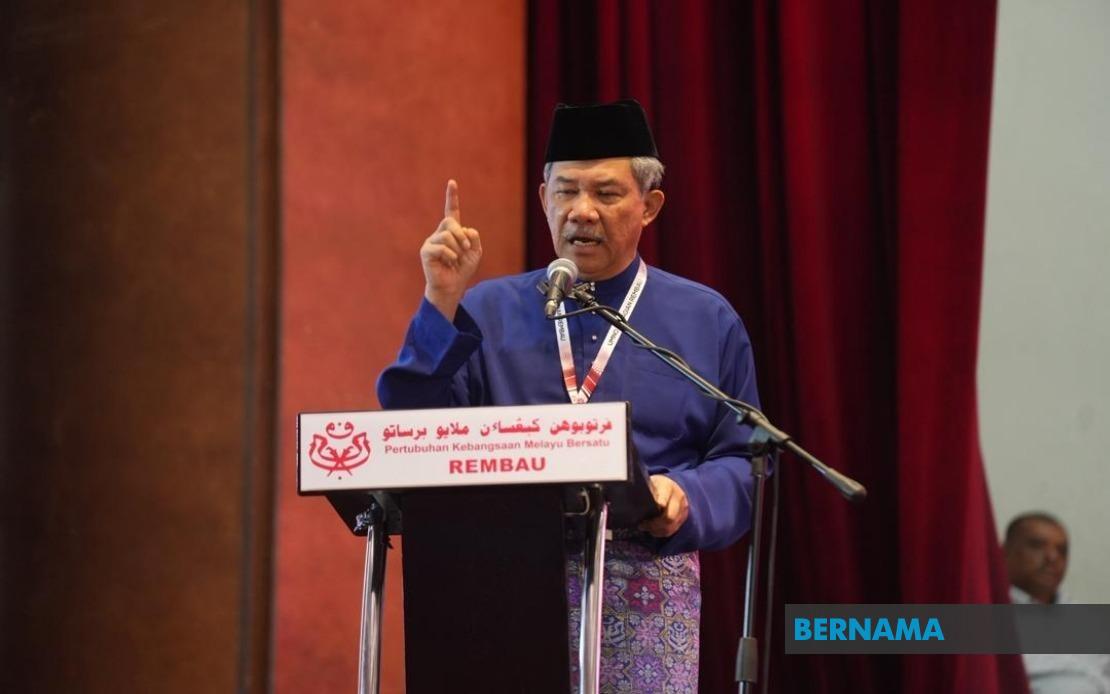
The 10 freshly appointed members of the Negeri Sembilan State Executive Council have taken their oaths of office and are now positioned to deliver effective governance, according to Barisan Nasional Deputy Chairman Datuk Seri Mohamad Hasan. Speaking in Seremban on August 7, the Rantau State Assemblyman expressed his confidence that the new exco members possess the capability to work harmoniously with the Menteri Besar and execute their duties across their assigned portfolios in service of the state's population.
The swearing-in ceremony took place before Tuanku Muhriz Tuanku Munawir, the Yang Dipertuan Besar of Negeri Sembilan, at Istana Besar Seri Menanti. This formality marks the beginning of what Mohamad characterizes as a crucial period for state administration, where the newly minted exco members must quickly establish themselves and demonstrate their competency in their respective roles.
In his remarks, Mohamad articulated a clear vision of the exco's broader function within the state machinery. He emphasized that serving as an exco member transcends mere administrative work—it demands the ability to function as an intermediary between governmental institutions and the wider public. This dual role requires exco members to both disseminate and clarify government policies to citizens while simultaneously channeling grassroots concerns, community feedback, and public sentiment back to decision-makers. Without this two-way communication mechanism, Mohamad suggested, the effectiveness of state governance would be significantly compromised.
The responsibility of policy explanation, Mohamad stressed, carries particular weight in state governance. When new initiatives or regulatory changes are introduced, they must be communicated with clarity and sensitivity to the public, accounting for local contexts and community sensibilities. Exco members serve as the frontline ambassadors of government policy, tasked with winning public acceptance and understanding. This requires not merely announcing policies but engaging with constituents to address concerns and build consensus around governmental direction.
Equally important is the exco's role in aggregating public concerns. Mohamad highlighted that each exco member bears responsibility for systematically gathering issues, grievances, suggestions, and perspectives from their communities. These inputs—whether concerning infrastructure, social services, or economic development—must then be elevated through proper channels so they can inform adjustments to state administration and resource allocation. This feedback mechanism, when functioning properly, ensures that governance remains responsive to actual community needs rather than divorced from ground realities.
For the newly appointed exco members to discharge these responsibilities effectively, Mohamad underscored the necessity of comprehensive briefings from departmental officials within their respective portfolios. Understanding the technical functions, administrative procedures, and current operational challenges of their assigned areas is foundational to competent governance. Without such grounding, exco members would struggle to implement policies coherently or identify genuine problems within their domains. These briefings represent an essential onboarding process that transforms political appointees into functional administrators.
Mohamad also flagged the importance of maintaining robust relationships between exco members and the government departments that fall under their oversight. Smooth inter-institutional cooperation facilitates policy implementation and prevents the kind of bureaucratic friction that can derail initiatives or delay public services. When exco members and departmental leadership work in alignment, the state machinery functions more efficiently and the public experiences fewer administrative bottlenecks.
The appointment of this fresh cohort comes at a significant moment in Negeri Sembilan's political trajectory. While Mohamad offered no new details about the state's immediate agenda, his confidence in the exco members suggests that the BN-led state government is preparing for sustained and stable governance. The composition and readiness of this leadership tier will substantially influence whether Negeri Sembilan can maintain momentum on ongoing developmental projects and address emerging challenges.
When questioned about the prospects of a Melaka State Election (PRN), Mohamad sidestepped direct speculation, instead noting that such a decision rests entirely with the Melaka Chief Minister, who would need to request the Yang Dipertua Negeri to dissolve the State Legislative Assembly. This measured response reflects the interplay of political dynamics across Malaysia's states, where timing and consent mechanisms for electoral processes remain carefully managed. For now, however, attention appears focused on consolidating the new Negeri Sembilan exco's footing.
The swearing-in of these 10 exco members signals continuity in Barisan Nasional's governance model in Negeri Sembilan and represents an opportunity to refresh the state's administrative leadership. How effectively this new cohort translates Mohamad's expressed confidence into tangible improvements in public services, infrastructure delivery, and economic development will become evident in the coming months. Their success will depend not only on their individual competence but on their capacity to forge genuine connections between the state government and its citizens—the foundational role Mohamad emphasized.

