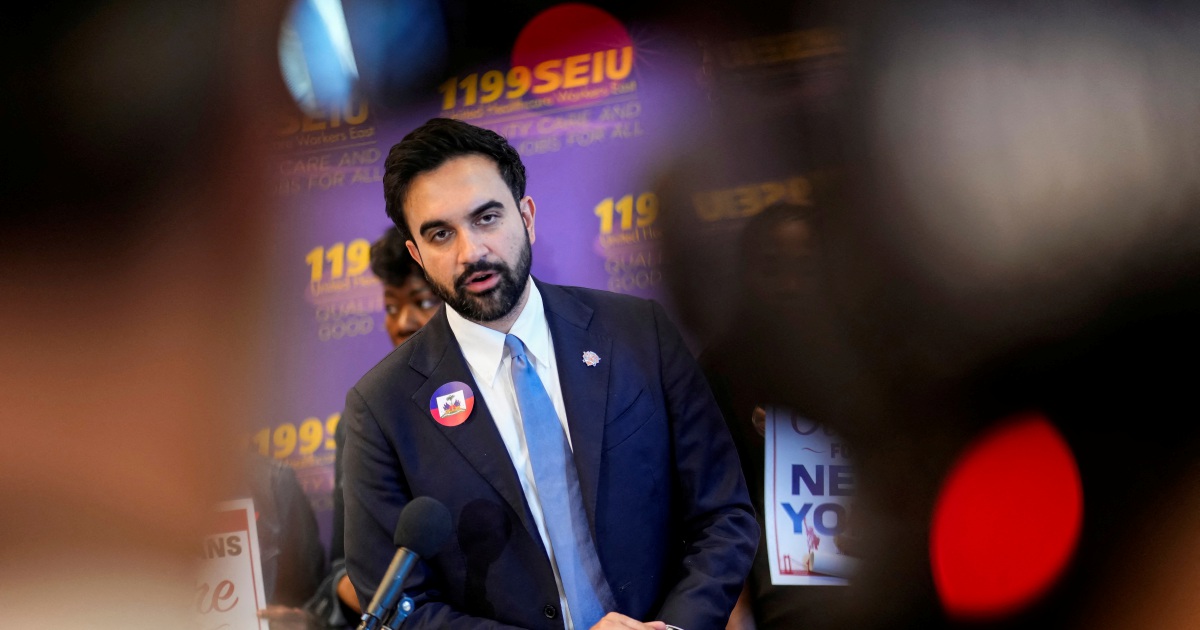
New York Mayor Zohran Mamdani has indicated that municipal authorities are actively deliberating over the possibility of apprehending Israeli Prime Minister Benjamin Netanyahu when he attends the forthcoming United Nations General Assembly session. In remarks disclosed through a published interview on Saturday, Mamdani disclosed that discussions are ongoing within his administration regarding such an action, a statement that has triggered a forceful response from Netanyahu's representatives.
The potential arrest warrant stems from International Criminal Court proceedings that have cast a shadow over Netanyahu's international travel. The ICC previously issued arrest warrants against the Israeli Prime Minister, a development that creates a complex legal quandary for New York officials. Cities hosting international diplomatic events often navigate intricate questions about territorial jurisdiction, diplomatic immunity, and the enforcement of international legal instruments within their borders.
Mamdani's consideration of the matter reflects broader tensions within New York's political establishment regarding Israel's military operations and their humanitarian consequences. The mayor's public willingness to discuss arrest possibilities signals growing pressure from constituencies within the city who view international law enforcement mechanisms as necessary accountability tools. This positioning aligns with activist movements that have gained prominence in major American urban centres, particularly on university campuses and among younger voters.
Netanyahu's anticipated attendance at the UN summit places New York in an extraordinarily delicate diplomatic position. The city serves as home to United Nations headquarters and regularly hosts world leaders attending the General Assembly. The prospect of arrest proceedings against a sitting head of state visiting for such a prominent diplomatic gathering would represent an unprecedented development in contemporary international relations, with implications extending far beyond New York's municipal boundaries.
The Israeli Prime Minister's office responded with sharp condemnation to Mamdani's comments. Netanyahu's camp dismissed the arrest discussion as politically motivated and legally questionable, arguing that diplomatic immunity and international conventions protect sitting heads of state from such actions. This characterisation reflects Israel's broader concern about being singled out for international legal scrutiny while other nations avoid comparable accountability mechanisms.
The legal complexities underlying this situation merit careful examination. While the ICC has issued warrants, the United States is not an ICC member state and has historically resisted enforcement of international court decisions on American soil. New York's authority to act independently on ICC warrants remains contested legal terrain, and any attempt to arrest Netanyahu could face immediate constitutional and jurisdictional challenges from federal authorities and federal courts.
This episode illustrates the mounting pressure that American political figures face regarding Middle Eastern conflicts, particularly following recent military escalations. Progressive political movements have increasingly demanded that elected officials take explicit stances on international humanitarian law and accountability. Mamdani's public consideration of arrest measures reflects this constituency's determination to translate moral concerns into concrete legal action.
The timing of these discussions carries particular significance given the contentious atmosphere surrounding Israeli-Palestinian dynamics in American public discourse. Universities, cultural institutions, and municipal governments have become focal points for debates about divestment, boycotts, and international accountability. Mamdani's willingness to engage publicly with arrest possibilities signals that such questions are now entering mainstream political conversation rather than remaining confined to activist circles.
For Southeast Asian observers, this development illuminates broader questions about how nations navigate international law, diplomatic protocol, and domestic political pressures. The reluctance or willingness of cities and nations to enforce ICC warrants has implications for accountability mechanisms beyond the Israeli-Palestinian context. Countries in the region grappling with their own transitional justice questions and questions of international accountability may view this precedent as establishing important principles about state responsibility and the enforceability of international legal instruments.
The practical implications of such an arrest attempt would be severe and wide-ranging. International diplomatic relations could suffer substantial damage, the UN summit itself might face disruption, and the United States could encounter tensions with Israel and other allied nations. Security complications would multiply exponentially, and the legal aftermath could consume resources and attention for months or years.
Netanyahu's office has suggested that Mamdani's comments represent either a misunderstanding of international law or a troubling politicisation of legal mechanisms. This characterisation frames the mayor's position as reckless rather than principled, attempting to shift the narrative away from accountability questions toward questions about institutional propriety and diplomatic norms.
Moving forward, this situation will likely intensify scrutiny on how American municipalities respond to international legal instruments and competing obligations. The eventual outcome—whether Mamdani pursues arrest measures or refrains—will signal important messages to activists demanding accountability, to international institutions seeking enforcement capacity, and to nations concerned about precedents regarding prosecution of sitting leaders.

