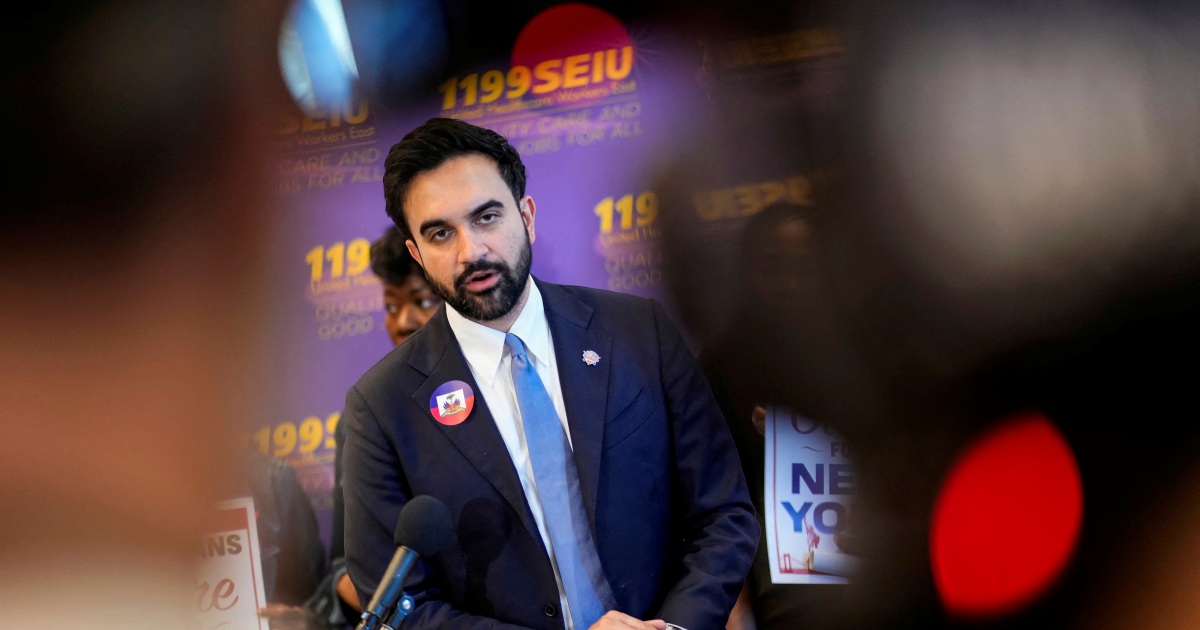
New York Mayor Zohran Mamdani has abandoned his earlier suggestion that he might arrange for the arrest of Israeli Prime Minister Benjamin Netanyahu should the Israeli leader visit New York City. After preliminary consideration of the proposal, Mamdani determined this week that the office of mayor simply does not possess the legal power to effect such an arrest, regardless of the gravity of allegations that might be levelled against a foreign dignitary. The announcement reflects the complex intersection of municipal governance, international law, and diplomatic immunity that often constrains city-level officials when dealing with international figures.
Mamdani's initial public statements had sparked significant attention and debate. By suggesting that arresting Netanyahu might fall within his purview as the city's top executive, he had tapped into broader conversations about accountability for alleged breaches of international humanitarian law. Many observers sympathetic to Palestinian causes have long sought mechanisms by which Israeli leadership could face legal consequences in Western jurisdictions. The mayor's preliminary remarks seemed to hint that New York might become one such venue, a possibility that generated both enthusiasm among advocacy groups and consternation among supporters of Israel.
The legal reality, however, is considerably more restrictive than campaign rhetoric or activist hopes might suggest. Municipal mayors in the United States operate within carefully circumscribed boundaries established by state law, federal authority, and constitutional provisions. New York's mayor, powerful though the position is within city governance, cannot unilaterally override federal foreign policy or ignore the diplomatic protocols that the United States government has established. These frameworks typically shield high-ranking foreign officials from local legal processes, a principle that serves American interests as much as it protects foreign leaders.
The concept of sovereign immunity plays a crucial role here. Under established international law and American jurisprudence, sitting heads of government and senior state officials enjoy legal protections that insulate them from prosecution in foreign courts. These protections exist partly to facilitate international diplomacy and partly because international agreements the United States has ratified create obligations toward allied nations like Israel. While critics argue this immunity protects those accused of serious crimes, proponents contend that dismantling it would paralyse diplomatic relations and expose American officials to harassment in other nations.
Federal authority over foreign affairs further constrains any municipal action. The United States Constitution vests control over foreign relations in the federal government, specifically in the President and Congress. Cities and states cannot conduct independent foreign policy or create legal obstacles for foreign dignitaries whom the federal government has chosen not to prosecute. A mayor attempting to circumvent this arrangement would likely face judicial intervention, with courts dismissing the action as ultra vires—beyond the mayor's legal authority.
Mamdani's clarification also reflects political calculation. Maintaining credibility with voters requires acknowledging legal constraints rather than promising impossible outcomes. Had the mayor persisted in suggesting he could arrest Netanyahu, his administration might have faced embarrassing legal defeats in court. Early clarification protects the mayor's authority and credibility while still demonstrating responsiveness to constituent concerns about Palestinian rights and alleged Israeli military conduct.
The distinction between political symbolism and legal reality illustrates challenges facing mayors in major global cities. New York hosts the United Nations, numerous diplomatic missions, and frequent visits from international figures. The city's large and politically engaged Palestinian solidarity movement has legitimate grievances and expectations that their representatives will pursue accountability. Yet the mayor cannot deliver on promises that transcend municipal jurisdiction, no matter how compelling the underlying moral arguments may be.
International pressure for accountability exists through other channels, though these remain limited and contentious. The International Criminal Court, despite lacking jurisdiction over the United States, could theoretically investigate Israeli officials if Palestine is treated as a state party. However, both Israel and the United States have complicated relationships with the ICC, and prosecutions require political will and cooperation that has not materialised. Regional courts and truth commissions represent alternative mechanisms for accountability, but these operate outside American municipal systems entirely.
Mamdani's position nonetheless carries symbolic weight. His recognition that mayors lack arrest authority implicitly concedes that accountability for alleged war crimes remains elusive in Western legal systems where Israeli interests enjoy political protection. This reality frustrates Palestinian advocates who have repeatedly argued that structural impediments prevent justice for alleged Israeli violations while Palestinians face prosecution through other channels. The mayor's candid acknowledgment of these limits, while legally necessary, underscores the asymmetrical application of international law.
For Malaysian observers and Southeast Asian readers, this episode illuminates how powerful mayors in major Western cities still operate within serious legal constraints when addressing international conflict. It also demonstrates how domestic political concerns intersect with foreign policy. Countries across the region, as they navigate complex relationships with various world powers, might reflect on how municipal leaders in democracies attempt to balance advocacy with constitutional limits—a tension that resonates differently in polities with different governance structures.
The incident also hints at growing grass-roots activism around international law within Western cities. That a major American mayor felt compelled to even consider such an action reflects shifting attitudes among younger, more globally aware urban populations. Whether this translates into substantive legal reforms or remains symbolic remains uncertain, but the pressure for accountability mechanisms continues mounting in civil society.

