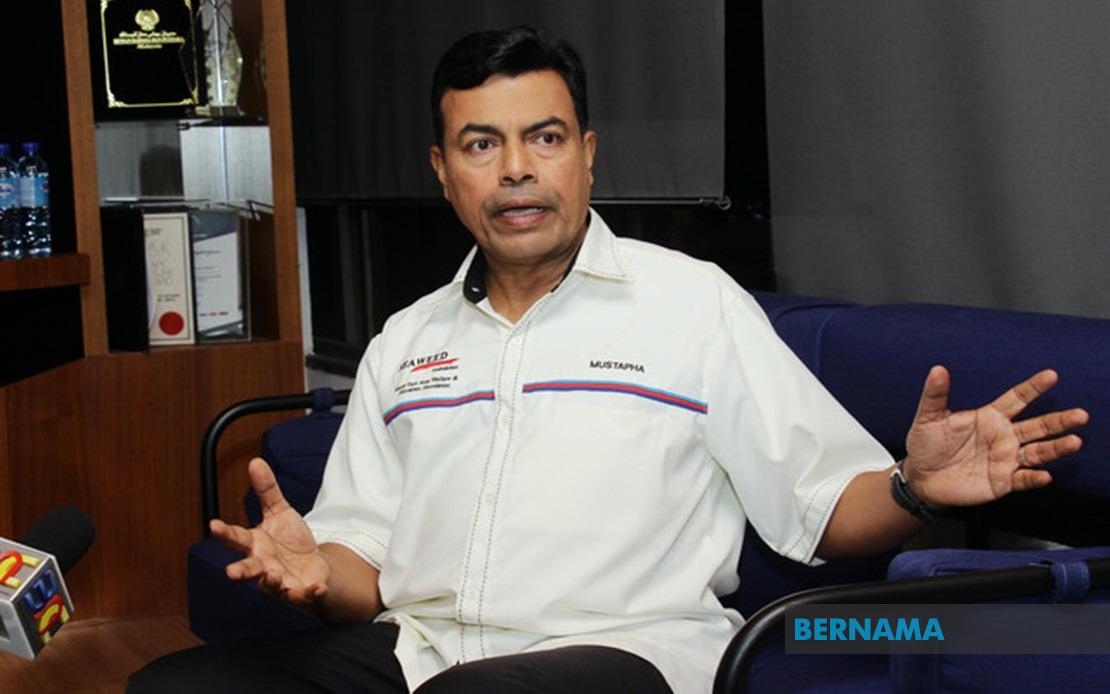
The South East Asia Welfare and Education Foundation (SEAWEED) has made a significant push for systemic reform in how Malaysia manages student safety within its schools, proposing that the Education Ministry establish a dedicated oversight body to address mounting concerns around discipline, bullying, and violence. Datuk Dr Mustapha Ahmad Marican, the foundation's chairman, raised the proposal while highlighting the escalating nature of incidents that threaten student wellbeing, arguing that the current approach places excessive responsibility on schools and teachers who lack specialised training in comprehensive safeguarding.
The suggested framework would operate either as a formal ministry department or as an independent agency with its own enforcement powers and budget allocation. This structural flexibility, according to Marican, would allow policymakers to design an arrangement that best fits Malaysia's existing bureaucratic architecture while ensuring accountability and effectiveness. The proposal reflects growing recognition among educators and child welfare advocates that decentralised discipline management often leads to inconsistent outcomes across different schools and states.
Drawing on international precedent, Mustapha pointed to established models in developed nations where student protection receives dedicated institutional attention. Both the United Kingdom and Australia maintain specialised frameworks and dedicated agencies that systematically monitor school safety standards, investigate incidents, and ensure compliance with welfare protocols. These jurisdictions treat student safeguarding as a distinct professional field requiring trained specialists rather than as an ancillary responsibility for overworked teaching staff. Malaysia could benefit from adopting similar institutional structures tailored to its own context and challenges.
One of the primary arguments supporting such a body centres on the systematic monitoring capability it would provide. Rather than relying on ad-hoc school-based reporting and inconsistent enforcement, a centralised agency could establish standardised safety protocols, collect comprehensive data on incidents, identify emerging patterns, and coordinate preventive interventions across all educational institutions. This data-driven approach would allow policymakers to understand the true scope of problems such as bullying and violence, moving beyond anecdotal accounts to evidence-based decision-making.
Bullying remains one of the most persistent threats to student wellbeing in Malaysian schools, often manifesting in forms that cause serious physical injury and lasting psychological harm. Mustapha emphasised that cases resulting in injuries must receive proportionate investigative and disciplinary responses, with consequences that deter future misconduct. The current system's perceived leniency or inconsistency in handling such incidents undermines both victim protection and the effectiveness of preventive measures. A dedicated agency could establish clear benchmarks for investigation and intervention, ensuring that serious offences receive immediate and appropriate action.
Gangsterism represents another critical safety concern that extends beyond traditional bullying to involve organised groups, territorial disputes, and weapons involvement. School-based authorities often lack the investigative resources or specialist knowledge required to counter gang-related activity effectively. An external, professionally-staffed body could coordinate with law enforcement agencies when necessary, identify students vulnerable to gang recruitment, and implement targeted intervention programmes in high-risk schools. Such coordination is currently limited by institutional silos and unclear lines of responsibility.
The foundation chairman also advocated for comprehensive mental health assessment as part of any integrated approach to bullying prevention. Bullying frequently stems from underlying emotional and psychological issues among perpetrators, while victims often experience anxiety, depression, and academic decline. Understanding these psychological dimensions requires trained counsellors and psychologists who can conduct thorough assessments and recommend appropriate interventions. A dedicated safety agency could ensure access to such expertise across all schools rather than depending on the inconsistent availability of school counsellors.
Regular bag inspections emerged as another practical measure Mustapha proposed to prevent weapons from entering school premises. The presence of knives and other sharp instruments in schools creates an environment of fear and dramatically escalates the risk of serious harm during altercations. While such inspections raise privacy considerations, proponents argue they represent a necessary safeguard in contexts where weapon-carrying among students has become normalised in certain areas. A centralised agency could develop standardised inspection protocols that balance safety and privacy, train personnel to conduct them professionally, and monitor compliance across schools.
The proposal arrives at a moment when Malaysian parents and educators increasingly voice concerns about school safety. Several high-profile incidents involving student violence and bullying have attracted media attention and sparked public debate about whether current preventive measures are adequate. The Education Ministry has implemented various initiatives, but critics argue these remain fragmented and lacking coordination. A dedicated body could synthesise existing efforts, eliminate duplications, and fill identified gaps in protection and response.
Implementing such a system would require substantial budgetary commitment and careful institutional design. The government would need to determine staffing levels, training requirements, oversight mechanisms, and reporting relationships. Questions also remain about how such an agency would interact with school administrators, police, and other stakeholders. Nevertheless, proponents argue that the investment would yield significant returns through reduced violence, improved learning environments, and better outcomes for vulnerable students.
The proposal reflects broader global trends toward recognising student safety as a core educational function requiring dedicated resources and expertise. As Malaysian education policymakers consider reforms to improve school experiences, the establishment of a specialised oversight body merits serious consideration. Whether implemented as a ministry department or independent agency, such a structure could transform how Malaysia approaches the complex challenge of protecting students while supporting teachers in their primary educational mission.

