Organisers and transport operators are ramping up efforts to accommodate a surge in voter movement as Johor residents scattered across Malaysia and Singapore prepare for Saturday's state election. Stesen Pemantauan Rakyat, a non-governmental organisation, has mobilised six complimentary buses to ferry 240 voters back to the southern state, tapping into a successful initiative the group has sustained since 2018. The service represents part of a broader ecosystem of support designed to reduce barriers for citizens wanting to participate in the democratic process despite being based away from home.
The NGO's bus arrangement separates transport routes by origin point, with four vehicles departing from Kuala Lumpur while two dedicated services operate from the Singapore side. Yong Shui Wen, the organisation's representative, explained that the Singapore-bound buses will collect passengers from the Sultan Iskandar Building Customs, Immigration and Quarantine Complex in Johor Bahru. This staging point offers a logical consolidation hub for voters crossing the causeway, streamlining the logistics of bringing back voters from the republic.
Destinations served by the free bus network span a geographical cross-section of Johor's electoral landscape. The vehicles will service Tangkak, Muar, Batu Pahat, Pekan Nanas, Segamat, Labis, Kluang, Ayer Hitam and Kulai, covering both urban and semi-rural constituencies where the Johor election outcome will be determined. Timing is crucial for the operation; buses from Kuala Lumpur depart at 9 pm on Friday evening, while Singapore services leave at both 9 pm Friday and 9 am Saturday, creating multiple windows for voters to board depending on their schedules and constraints.
Demand for the service has exceeded supply, according to Yong, with all available seats already claimed. This sustained interest from Johor diaspora voters underscores the investment Malaysian citizens living abroad maintain in state-level politics, even when distance and logistics complicate participation. The fact that the NGO has maintained this initiative for six years suggests that out-of-state voting poses a recurring challenge that neither government transport nor commercial operators have fully addressed.
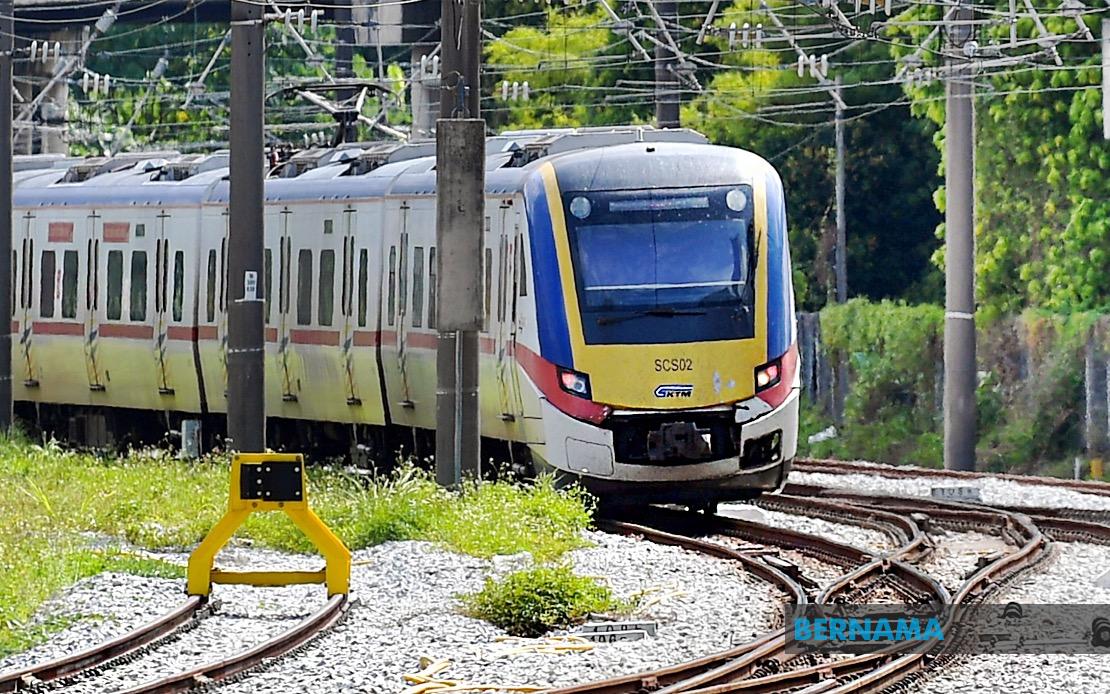
Meanwhile, Keretapi Tanah Melayu Bhd has announced a significant expansion of passenger capacity across its Electric Train Service network connecting the Klang Valley to Johor. The state-owned railway operator is doubling the seating allocation on the KL Sentral-JB Sentral-KL Sentral route from July 10 through 12, adding 7,560 additional seats for a total of 15,120 across the three-day window. This intervention reflects the company's recognition that standard peacetime capacity proves inadequate during major electoral events when travel patterns intensify dramatically.
The popularity of train services for this journey has been striking. According to Datuk Azlan Shah Al Bakri, KTMB's group chief executive officer, 84 per cent of the expanded KL Sentral-JB Sentral route capacity had been sold as of early morning on the announcement date, leaving only 2,351 seats unsold from the full complement of 15,120. This figure illustrates just how many voters value the ETS option over road transport, likely because trains offer greater comfort for the roughly four-hour journey and permit passengers to avoid highways during peak election-related congestion.
KTMB has also expanded the Gemas-JB Sentral-Gemas route, raising its capacity from 630 to 4,410 seats during the same period. This secondary corridor serves voters in Pahang and central Malaysia who wish to reach Johor for the ballot. As of the announcement, roughly 47 per cent of this expanded allocation had been booked, indicating either lower demand on this particular route or the fact that it was announced later with fewer prior opportunities for ticket purchases. The fact that 2,346 seats remained available on this line suggests it could absorb additional late bookings from voters deciding to return home as polling day approaches.
Checks on the KTMB Mobile application revealed that peak-hour services running on Friday and Saturday were nearly exhausted from an inventory perspective, though the operator advised continued monitoring of the app for potential availability fluctuations. These observations highlight the dynamic nature of transport planning during election cycles, where ticket inventory shifts rapidly as last-minute voters confirm their travel intentions.
The 16th Johor state election has attracted significant engagement despite occurring outside the federal cycle. A total of 172 candidates are contesting 56 state assembly seats, offering voters across the state meaningful electoral choices spanning multiple parties and ideological perspectives. The electoral roll stands at 2,727,926 registered voters, making it a substantial electorate by Malaysian state standards. The scale of this election explains why transport operators and civil society groups have mobilised resources to facilitate voter participation, as the outcome carries implications not just for Johor's governance but potentially for national coalition calculations.
The convergence of NGO-led initiatives and state-owned enterprise responses to electoral transport demand reflects Malaysia's hybrid approach to voting accessibility. While the government operates public transport and the Election Commission manages electoral administration, civil society groups supplement these efforts by identifying gaps and deploying resources to fill them. This pattern has emerged across multiple Malaysian elections, suggesting that policymakers might benefit from explicitly incorporating election-cycle transport planning into regular government operations rather than treating it as an ad-hoc challenge.
For Malaysian voters abroad or temporarily based outside Johor, the availability of these subsidised transport options significantly lowers the cost of democratic participation. Without free or affordable alternatives, many citizens would face genuine obstacles to voting, particularly those from lower-income backgrounds. The NGO's decision to provide complimentary service demonstrates how civil society can democratise electoral participation beyond the formal mechanisms that state institutions provide.
The heightened transport capacity also has economic implications, as increased movement along the KL-Johor corridor during election weekend will benefit hospitality providers, food vendors, petrol stations and other businesses serving travellers. Election-driven transport surges represent temporary but meaningful economic activity concentrations in specific regions and timeframes, a pattern that recurs predictably but is often underanalysed in discussions of electoral logistics.

