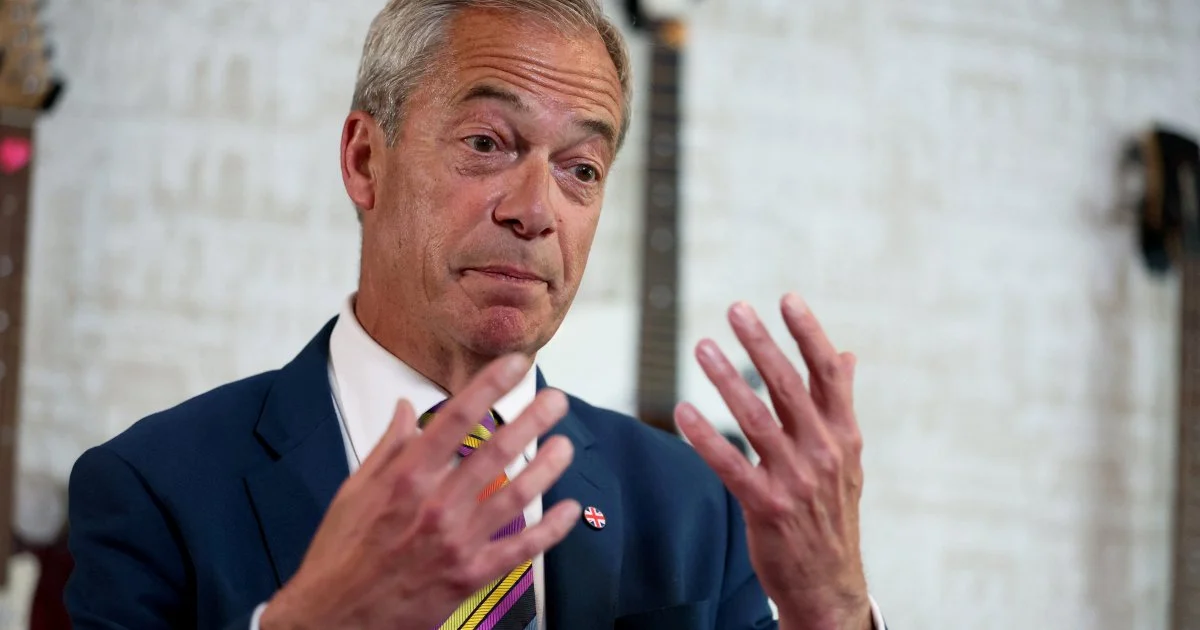
Nigel Farage, the prominent hard-right British politician and leader of the Reform UK party, has been thrust back into controversy following weekend media reports that raise serious questions about his disclosure practices regarding gifts and financial support. The allegations centre on claims that a person with a criminal conviction for fraud provided substantial financial backing for Farage's security operations and staffing expenses during a period before he secured his seat in Parliament, potentially violating transparency rules that govern British political life.
The timing of these revelations compounds existing scrutiny surrounding Farage's financial arrangements and donor relationships. Over recent years, the veteran eurosceptic and Brexit champion has faced multiple inquiries into his funding sources and the opacity of his political operations. This latest controversy suggests a pattern of concern among regulators and observers that questions whether all gifts and material support received by the politician have been properly declared through official channels. The contrast between Farage's populist positioning as an anti-establishment outsider and these allegations of non-transparency creates significant political tension.
For Malaysian readers observing British politics, the episode underscores how even in mature democracies with established oversight mechanisms, politicians of significant influence may navigate gift disclosure requirements in ways that attract regulatory attention. The UK Parliament has rules requiring members to register financial interests and gifts above certain thresholds, rules designed to maintain public confidence in democratic institutions. When such frameworks appear circumvented or ignored, they erode public trust precisely in the leader of a party that claims to represent ordinary citizens against a corrupt elite.
The identity of the fraudster whose conviction previously resulted in legal penalties remains central to the severity of these claims. Accepting financial support from individuals with criminal histories, particularly in fraud cases, raises obvious concerns about the character of those financing political operations and the potential implications for policy decisions made by recipients of such support. The fact that this support allegedly covered security and staff—essential infrastructure for political activities—rather than minor gifts makes the non-disclosure question more substantive and legally significant.
The period before Farage's election as MP is particularly relevant here. During pre-parliamentary phases, candidates and political figures often operate in less-regulated spaces than sitting members, yet the principle of transparency remains important for public understanding of who funds political activity and to what extent. The allegations suggest that during this transitional phase, Farage may have relied on undisclosed support to maintain his political operations, raising questions about how independent he was from particular financial interests at a crucial moment in his political trajectory.
Farage's Reform UK party, which has gained significant electoral support in recent months, positioning itself as a anti-immigration and economically nationalist alternative to the Conservative Party, now faces questions about its leader's integrity regarding financial disclosure. For a party that campaigns on restoring trust in politics and challenging what it portrays as a self-serving establishment, such allegations about its own leadership's transparency practices create an awkward contradiction that opponents will inevitably exploit during election campaigns and parliamentary proceedings.
The broader context of British gift disclosure regulations has become increasingly contentious in recent years. Multiple politicians across different parties have faced criticism or sanctions related to undisclosed gifts, hospitality, and financial arrangements, suggesting that the regulatory environment struggles to keep pace with evolving patterns of political financing. In some cases, the line between legitimate political support and undisclosed financial dependence appears murky, creating opportunities for non-compliance whether intentional or otherwise.
For Southeast Asian observers interested in comparative governance, the Farage case offers instructive lessons about how even wealthy democracies with established institutions wrestle with political financing transparency. Malaysia's own experience with political financing controversies, most notably the 1Malaysia Development Berhad affair and ongoing concerns about corporate donations to political parties, illustrates how gift and funding disclosure remains a global challenge. The mechanisms for oversight and the consequences for violations vary significantly across jurisdictions, yet the fundamental tension between political fundraising and public accountability persists universally.
The allegations against Farage also highlight the particular vulnerability of politicians operating outside traditional party structures or operating on more populist, personality-driven models. When political movements centre on individual leaders rather than institutional parties, the distinction between personal financial arrangements and political funding becomes blurred, creating conditions where disclosure violations may occur more easily. This structural characteristic makes rigorous oversight particularly important for populist movements claiming anti-establishment credentials.
How these allegations develop will partly depend on the regulatory investigation process and any formal inquiries launched by parliamentary authorities or the Electoral Commission. The political consequences will likely extend beyond legal findings, affecting Farage's credibility at a sensitive moment when Reform UK continues expanding its electoral footprint. Should evidence substantiate the allegations and suggest intentional non-compliance rather than technical oversights, the reputational damage could undermine the party's anti-corruption positioning ahead of forthcoming elections.
The incident also occurs against broader debates about the adequacy of current UK political financing regulations. Reform advocates argue that existing disclosure requirements contain insufficient penalties for violations and insufficient resources for enforcement, allowing determined actors to operate in grey areas. The Farage controversy may therefore contribute to renewed calls for strengthening transparency frameworks, though implementing effective change depends on political will across parties.

