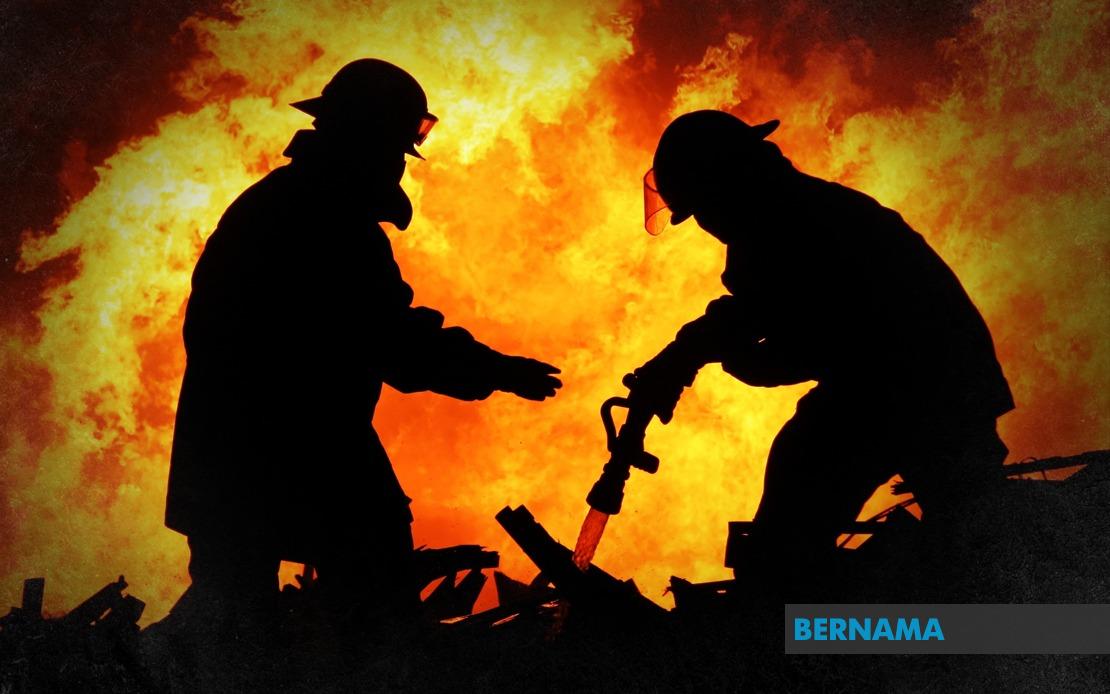
A devastating blast tore through the Talent Fireworks facility in Ahmedabad's Vastral area on Saturday, claiming nine lives and leaving six others wounded in what authorities have attributed to the factory's operation without proper licensing. The explosion highlights persistent safety failures within India's fireworks manufacturing industry, where regulatory oversight remains inconsistent and workplace protections are frequently circumvented.
The factory owner was taken into police custody following the incident, with initial investigations confirming that the operation lacked legal authorization to conduct manufacturing activities. Such unlicensed operations proliferate across India's fireworks sector, where lower overhead costs and minimal regulatory pressure create incentives for informal businesses to operate outside official channels, often at tremendous human cost.
Prime Minister Narendra Modi responded swiftly to the tragedy, extending condolences to the bereaved families and directing immediate financial relief through official channels. The Prime Minister's National Relief Fund (PMNRF) will distribute 200,000 rupees—approximately RM8,490—to the next of kin of each fatality, representing a standard emergency response mechanism for such industrial catastrophes at the national level.
Complementing the federal assistance, Gujarat's Chief Minister Bhupendra Patel announced that the state government would provide an additional 400,000 rupees, approximately RM16,980, to each family that lost a member in the explosion. This two-tier compensation approach—combining central and state resources—reflects India's federal system of disaster response, though critics argue such sums often prove inadequate for families losing primary breadwinners.
The Talent Fireworks blast represents merely the latest in a long succession of catastrophic incidents plaguing India's fireworks manufacturing heartland. Regions such as Tamil Nadu and Andhra Pradesh, alongside Gujarat, have witnessed recurring explosions at both licensed and unlicensed facilities, creating a pattern that suggests systemic vulnerabilities rather than isolated incidents. The frequency of such disasters points to endemic weaknesses in enforcement mechanisms and workplace safety culture.
Sector-wide challenges compound the risk profile of fireworks manufacturing in India. Many facilities operate in densely populated areas where residential proximity amplifies the potential for mass casualties. Workers, predominantly from economically disadvantaged backgrounds, lack bargaining power to demand safer conditions or proper protective equipment. Production processes involving volatile chemical compounds—often inadequately stored and handled—create tinderbox conditions awaiting ignition.
The absence of robust licensing and inspection regimes enables operators to circumvent established safety protocols with minimal consequence until disaster strikes. Facilities like Talent Fireworks demonstrate how businesses can function visibly within urban areas while evading regulatory oversight, suggesting that authorities either lack capacity or political will to enforce compliance systematically. The subsequent arrest of the owner may provide temporary accountability but addresses symptoms rather than structural causes.
For Malaysian readers, the Gujarat incident carries particular relevance given regional interconnectedness in manufacturing and supply chains. India remains a major supplier of fireworks and pyrotechnic materials to Southeast Asian markets, including Malaysia, where festive season demand drives significant imports. Safety lapses in Indian production facilities have upstream implications for regional consumer safety and corporate liability chains.
The fireworks industry's persistent safety crisis also underscores broader governance challenges affecting India's informal manufacturing sector. Hundreds of thousands of workers across various hazardous industries—textiles, chemicals, mining—labour without adequate protection in settings where profit margins depend on minimizing compliance costs. The Talent Fireworks explosion exemplifies how such structural inequities translate into individual tragedies at scale.
Investigations into Saturday's blast will likely focus on specific trigger mechanisms—whether accidental ignition, equipment failure, or procedural violation—but such inquiries frequently obscure deeper institutional failures. Policymakers across South Asia continue grappling with balancing economic liberalization against worker protection, with vulnerable populations bearing the costs of regulatory gaps. Unless Gujarat and other states substantially strengthen inspection capacity, enforce penalties against violators, and mandate safety investments, similar tragedies remain predictable consequences of the current system.
The compensation announced by Modi and Patel, while substantial in nominal terms, represents reactive crisis management rather than preventative reform. Effective change would require comprehensive re-licensing of all fireworks facilities, mandatory safety audits, worker training programs, and enforcement sufficient to deter unlicensed operations. Without such measures, families will continue losing breadwinners to explosions in facilities operating with impunity in plain sight.

