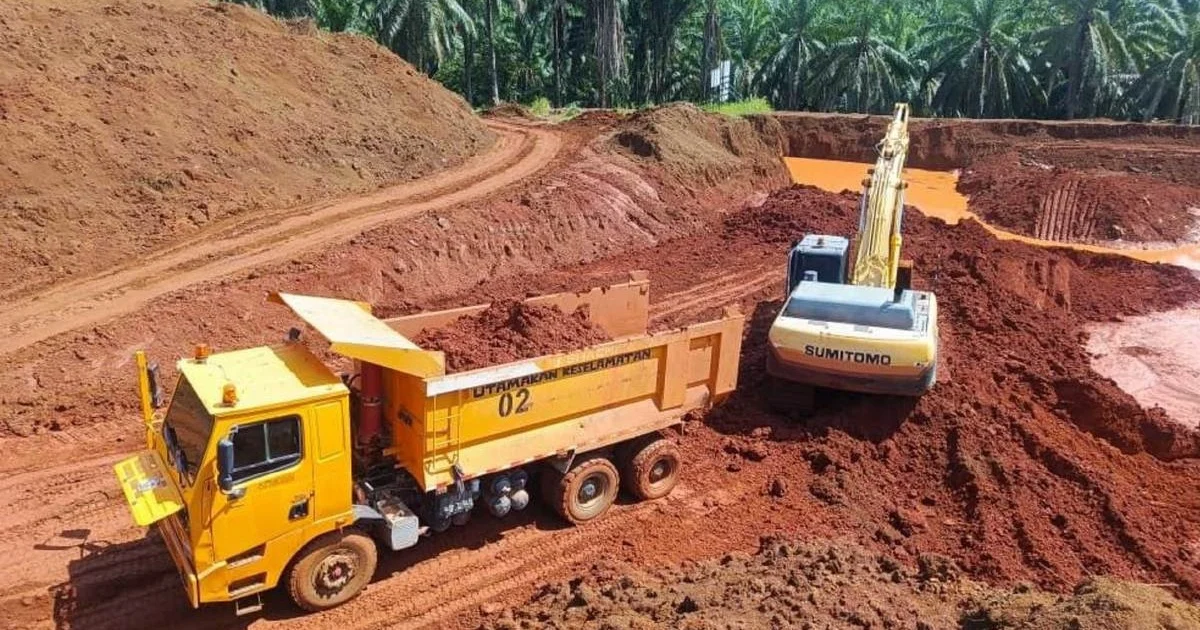
Enforcement authorities have moved decisively against illegal bauxite mining in Pahang, making nine arrests and recovering substantial quantities of extracted material and equipment during a coordinated raid at a Felda plantation site in Bukit Goh, Kuantan. The operation resulted in the seizure of approximately 10,000 tonnes of bauxite-bearing soil, alongside heavy machinery and commercial vehicles, with the confiscated assets collectively valued at RM3.75 million.
The raid underscores the persistent challenge that illegal mining operations pose across Malaysia's resource-rich states. Bauxite, the primary ore from which aluminium is extracted, remains a valuable commodity, and the relative ease of extraction combined with significant profit margins has made unauthorised mining an attractive venture for criminal syndicates. The Felda plantation where the operation was discovered represents prime agricultural land, highlighting how illegal extraction activities increasingly encroach upon areas designated for food production and rural development.
Enforcement agencies have intensified scrutiny of bauxite mining following years of environmental and social concerns tied to the sector. Unregulated extraction leaves substantial scars on the landscape, degrades soil quality, and generates dust and runoff that contaminate nearby water sources and agricultural areas. The Bukit Goh site, situated within a Felda settlement, exemplifies the direct conflict between mineral extraction and the livelihoods of smallholder farmers and rural communities who depend on stable environmental conditions.
The seizure of heavy machinery, lorries, and vehicles suggests a sophisticated operation requiring capital investment and logistical infrastructure. Illegal mining networks typically operate across multiple jurisdictions, with extraction, transportation, and sales occurring in different locations to complicate enforcement efforts. The range of equipment recovered indicates the operator had invested substantially in the venture, suggesting operations may have been conducted over an extended period before detection.
Authorities' success in apprehending nine individuals and dismantling the operation demonstrates improved coordination between federal and state-level enforcement bodies. Pahang has emerged as a focal point for anti-illegal-mining initiatives, given the state's abundant bauxite deposits and the substantial economic incentives driving clandestine extraction. The Bukit Goh raid fits within a broader enforcement strategy targeting high-risk mining areas across the state.
The environmental implications of large-scale illegal bauxite mining extend beyond immediate site damage. The extraction process typically involves removing topsoil and overburden to access ore deposits, generating enormous quantities of waste material. When operations lack proper restoration protocols, abandoned sites become hazardous terrain prone to erosion, flooding, and contamination—consequences that neighbouring communities, including Felda settlers, may endure for years after operators relocate to avoid detection.
The RM3.75 million valuation of seized assets provides insight into the financial stakes involved in bauxite trafficking. Such substantial sums suggest robust underground markets for extracted material, likely involving middlemen who purchase ore at suppressed prices and transport it to processing facilities or international buyers. Dismantling the supply chain at the extraction point represents only one segment of enforcement; authorities increasingly recognise that disrupting downstream purchasers and transportation networks is essential to sustainably reducing illegal mining prevalence.
From a regional perspective, illegal bauxite mining in Malaysia connects to broader Southeast Asian challenges around natural resource governance. Indonesia and Vietnam have similarly grappled with unauthorised extraction, and transnational criminal networks frequently exploit regulatory gaps and cross-border movement to sustain operations. The Kuantan operation's significance thus extends beyond Pahang, providing enforcement templates and intelligence relevant to counterparts across the region.
The arrest of nine suspects raises questions about accountability further along the supply chain. Investigations typically attempt to identify purchasers, transporters, and processors who knowingly engage with illegally extracted material. Tracing financial flows and establishing culpability among secondary actors requires sustained investigation and inter-agency cooperation, often extending beyond the initial raid phase.
For Felda communities, the discovery of illegal mining on plantation land reinforces concerns about land security and governance. Felda settlements exist partly to support smallholder agricultural development, and uncontrolled extraction activities fundamentally undermine that mission. The raid's success may temporarily reassure residents; however, preventing recurrence demands sustained vigilance and improved land monitoring systems.
Government policy discussions surrounding bauxite mining have increasingly emphasised environmental sustainability and community protection. While legal bauxite mining remains regulated and licensed in Malaysia, illegal operations represent a parallel sector generating no tax revenue, ignoring environmental standards, and creating social costs absorbed by affected communities. The Kuantan enforcement action signals continued commitment to eliminating unauthorised extraction, though experts recognise that sustainable reduction requires addressing underlying economic drivers that incentivise illegal activity.
Moving forward, the nine arrests and asset seizure constitute meaningful enforcement outcomes, yet enforcement agencies acknowledge that deterrence remains incomplete. Continued raids, improved detection capabilities, and stronger penalties for operators and accomplices represent necessary components of a comprehensive anti-illegal-mining strategy. Equally important are complementary initiatives addressing demand-side factors, including market interventions that reduce premiums paid for illegally extracted bauxite and buyer accountability measures targeting purchasers of undocumented ore.
The operation demonstrates that authorities possess capacity to disrupt significant illegal mining ventures, yet the persistence of such activities underscores the economic appeal of clandestine extraction. Balancing enforcement intensity with prevention-focused approaches—including community engagement, alternative livelihood promotion in mining-prone areas, and stronger oversight of land parcels vulnerable to illegal occupation—offers more sustainable pathways toward minimising bauxite mining's unauthorised dimensions across Malaysia.

