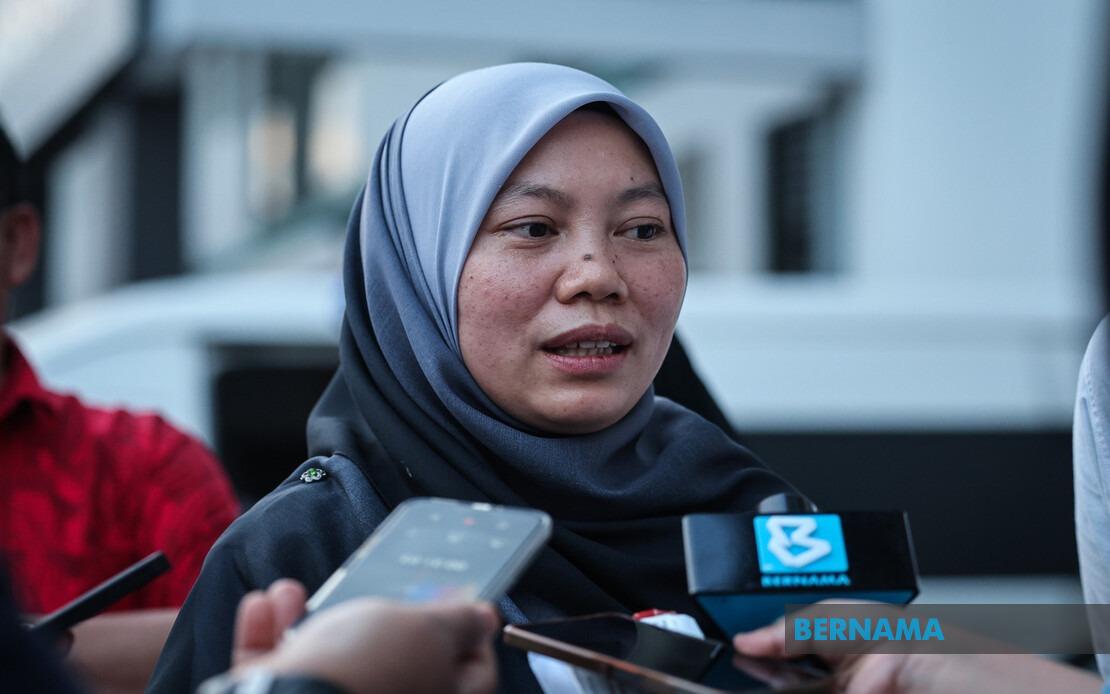
Pakatan Harapan's candidate for the Tiram state seat in Johor, Nor Zulaila Abd Ghani, is projecting considerable confidence heading into the state election, buoyed by what she describes as a notably positive reception across her constituency. Speaking in Pasir Gudang on July 5, the contender highlighted the encouraging interactions she has experienced with constituents during her campaign visits, signalling what she believes is robust grassroots momentum behind the coalition's bid to retain support in this critical Johor electoral division.
Zulaila's assessment of the campaign environment reveals a somewhat dichotomous picture of contemporary Malaysian politics. While she acknowledged that scattered negative remarks have circulated on social media platforms such as Facebook, she emphasised that on-the-ground interactions have remained constructive and free from confrontational exchanges. This distinction between digital discourse and physical community engagement underscores a broader phenomenon in Southeast Asian electoral campaigns, where online spaces often host more polarised rhetoric than face-to-face political engagement, particularly at the state and local levels where constituency-building remains paramount.
The candidate's strategic approach to mobilising younger voters demonstrates innovation in how established coalitions are adapting their outreach methods in an era of political cynicism among youth demographics. Rather than relying solely on formal political messaging, Zulaila has embedded herself within recreational and sporting activities popular among young constituents. Her participation in sepak takraw matches, futsal tournaments, and snooker competitions represents a deliberate effort to build political awareness through informal social settings where voters may be more receptive to civic messaging. This grassroots sports-centred approach recognises that many young Malaysians maintain scepticism towards conventional political institutions and traditional campaign rhetoric.
Central to Zulaila's messaging to younger voters is the fundamental importance of electoral participation itself. She has consistently articulated to youth audiences that voting represents a civic duty with tangible consequences, as electoral outcomes directly shape the policies and governance frameworks that will structure their daily lives. This emphasis on voter responsibility carries particular weight in Malaysian politics, where youth turnout remains inconsistent and where political engagement among younger demographics has historically lagged behind older age groups. Her framing positions electoral participation not as an ideological choice but as a practical exercise of agency over one's own future.
The candidate's campaign faced a setback when vandals damaged one of her promotional billboards, an incident she viewed with disappointment. Such acts, whether politically motivated or otherwise, represent a tangible erosion of the civic norms necessary for healthy electoral competition. Zulaila's public call for remaining campaign activities to proceed with maturity and harmony reflects a broader concern within Malaysian politics about maintaining decorum as campaigns intensify approaching polling day. For a candidate seeking to build voter trust and demonstrate responsible governance potential, such incidents carry symbolic weight beyond their immediate physical impact.
Zulaila's engagement with Minister Steven Sim Chee Keong, the Entrepreneur Development and Cooperatives Minister, at a community gathering in Kota Masai adds organisational heft to the Pakatan Harapan campaign effort in this constituency. Such high-level visits by federal ministers serve multiple strategic functions: they signal coalition confidence in local candidates, provide media amplification for grassroots activities, and demonstrate the organisational reach that established coalitions can mobilise. For voters evaluating candidates, such support from experienced ministers provides implicit validation of a candidate's credentials and party backing.
The Tiram state seat contest arrives within the broader context of Johor's 16th state election, scheduled for July 11 with early voting opportunities on July 7. Johor remains strategically significant within Malaysian electoral politics, representing one of the nation's most populous and economically important states. Control of Johor's state assembly carries implications extending beyond the state itself, influencing national political calculations and coalition arithmetic at the federal level. The outcome in constituencies like Tiram will contribute to determining which coalition secures mandate for the state government and shapes political momentum heading into future federal considerations.
Zulaila's optimism regarding voter acceptance must be contextualised against the competitive dynamics within this constituency and the broader Johor electoral landscape. Her confidence appears rooted in tangible measures of engagement—the positive feedback from doorstep conversations and the responsive participation in community sporting events. However, campaign confidence and actual electoral outcomes frequently diverge, particularly in Malaysian politics where last-minute voter movements and demographic complexities can produce unexpected results. Her projection of strong support reflects current momentum but acknowledges that the actual test will arrive only when ballots are counted.
The candidate's strategic emphasis on youth engagement and civic responsibility speaks to a recognition that electoral success in contemporary Malaysia increasingly depends on rebuilding political participation among younger demographics who have demonstrated varying levels of engagement with the political process. Zulaila's approach—combining informal socialisation, emphasis on civic duty, and visible coalition support—represents a calculated effort to bridge the engagement gap that has characterised recent Malaysian elections. Whether this strategy translates into elevated youth participation and voter support in Tiram will become evident following the July 11 polling, providing measurable data on the effectiveness of such grassroots mobilisation techniques in the Malaysian electoral context.

