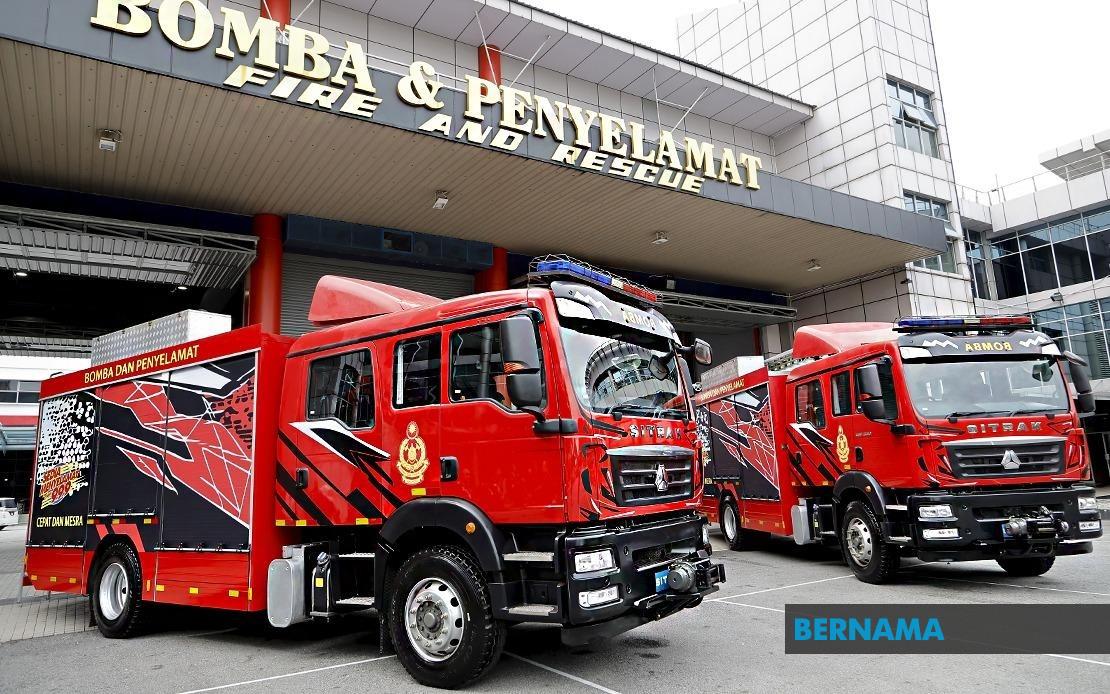
A moderate earthquake centred in North Sumatra sent tremors through Malaysia's Klang Valley region on July 22, prompting the Fire and Rescue Department of Malaysia (JBPM) to respond to three separate emergency reports within minutes of the initial tremor. The seismic event, which measured 5.7 on the Richter scale and occurred approximately 55 kilometres southwest of Langsa in Indonesia, was felt across multiple commercial and institutional buildings in Selangor, catching occupants by surprise and triggering swift evacuation protocols in response to the fifteen-second duration tremor.
The first indication of seismic activity in the Klang Valley reached JBPM at 12.31 pm, just thirteen minutes after the earthquake struck at 12.18 pm. The initial report involved the Kajang Municipal Council building, where occupants detected noticeable movement. This was quickly followed by a second emergency call at 12.40 pm from INTI International College Subang located along Jalan SS15, indicating that the tremor had been sufficiently strong to trigger concern across multiple neighbourhoods within the wider metropolitan area. The proximity of these reports suggested the earthquake had affected a substantial geographic footprint across Selangor's densely populated zones.
Parallel to these initial responses, the Kuala Lumpur branch of JBPM received an emergency call at 12.32 pm concerning tremors experienced at Menara B2 Maju Link in Bandar Tasik Selatan. This high-rise office building, situated along Jalan Lingkaran Tengah 2, warranted particular attention due to the structural considerations inherent in tall buildings during seismic events. The Sungai Besi fire station was mobilised to conduct a comprehensive assessment, reflecting the standard protocol for evaluating potential structural vulnerability in commercial towers following earthquake activity.
When rescue teams arrived at Menara B2 Maju Link, they discovered that building management and occupants had already initiated precautionary evacuation procedures. Nearly all office workers had voluntarily moved to designated assembly areas outside the building as a protective measure following the tremor sequence. This swift, self-directed response by building management and workers demonstrates the effectiveness of earthquake safety awareness and preparedness protocols within Malaysia's commercial sector, even in a region where seismic events are less frequent than in areas situated closer to active fault lines.
Structural integrity assessments at all three locations yielded reassuring results for both authorities and affected parties. Teams from the Kajang and Subang Jaya fire stations, along with personnel from Sungai Besi, conducted thorough inspections that revealed no visible cracks, fractures, or structural compromise in any of the examined buildings. The Kajang Municipal Council building and INTI International College Subang both received clearance as safe for normal occupancy, allowing normal operations to resume without the need for extended closure or further remedial assessment. Similarly, Menara B2 Maju Link was confirmed to be in good structural condition, enabling the dispersed occupants to return to their offices and resume work activities.
Beyond the formal emergency response from authorities, the earthquake's ripple effects manifested prominently across social media platforms, particularly on the Threads application. Residents across Shah Alam and surrounding areas flooded the platform with posts describing their personal experiences, seeking validation from others and attempting to establish whether the tremor they felt was indeed seismic in origin or attributable to other causes. This informal network of information exchange has become increasingly significant in Malaysia's earthquake awareness landscape, offering real-time collective confirmation in regions where tremors are infrequent enough to create genuine uncertainty among the general population.
Many individuals who experienced the tremor initially questioned their own perception, attributing the building movement to everyday occurrences rather than seismic activity. One Threads user, identified as 'nadiaxzailan', described how the sudden shaking of her work desk initially seemed ambiguous—she could not immediately determine whether the vibration stemmed from external seismic forces or internal building systems. Only after consulting with colleagues and observing corroborating posts from other users across the region did she confirm that an earthquake had indeed been the cause. This pattern of delayed recognition highlights how infrequent seismic events in the Klang Valley can produce momentary disorientation among residents unaccustomed to frequent tremor activity.
Another user, 'nabilaishah', located in Section 26 of Shah Alam, posted a brief contemporaneous account of the tremors before conditions normalised within several minutes. These social media narratives, though brief and informal, served an important function in rapidly distributing information and establishing collective awareness that a genuine seismic event had occurred, extending far beyond the three formal emergency reports filed with JBPM. The aggregation of individual experiences across social platforms provided spontaneous epidemiological confirmation of the earthquake's geographic extent and impact perception.
The January incident underscores the importance of maintaining preparedness and public awareness for seismic hazards, despite Malaysia's position on the stable interior regions of the Southeast Asian tectonics framework. While major earthquakes are considerably less frequent in Malaysia compared to regions along active subduction zones, the transmission of tremors from distant sources in Indonesia—particularly from the highly active Sumatra fault system—means that Malaysian residents should remain cognisant of earthquake safety measures. The swift response from JBPM and the responsible behaviour displayed by building occupants and management across the three affected locations reflected positively on Malaysia's disaster response infrastructure and workplace safety culture.
The incident also reinforces the value of integrated emergency communication systems and public education regarding earthquake safety protocols. The absence of structural damage or injuries, combined with the rapid confirmation of building safety, demonstrated that proper building standards, maintenance practices, and occupant awareness training had combined effectively to minimise any potential disruption or risk. For a nation situated on the periphery of seismic zones, such outcomes reflect institutional and societal preparedness investment that extends protection to residents even when earthquake frequency remains comparatively low relative to neighbouring regions.

