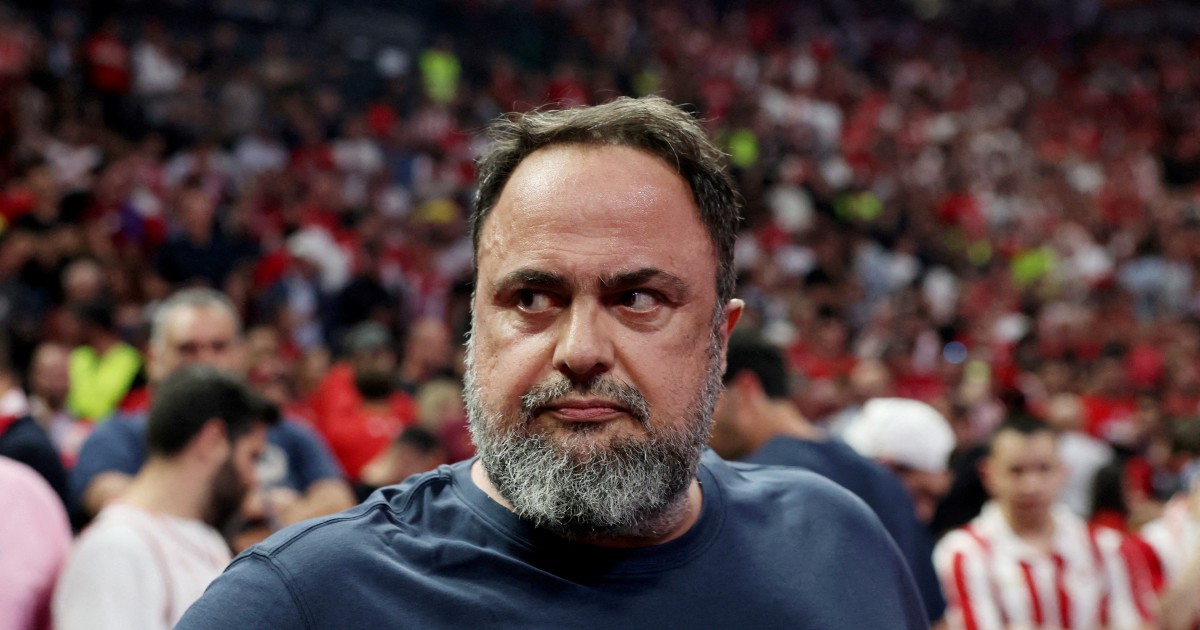
Evangelos Marinakis, the owner of English Premier League club Nottingham Forest, launched a significant legal challenge against Crystal Palace on Monday, filing a libel suit at London's High Court. The proceedings represent an escalation of tensions between the two top-flight clubs and mark a notable instance of ownership-level confrontation within English football's most competitive division. According to multiple media accounts, the lawsuit centres on a provocative banner that was unfurled by Crystal Palace fans during a match contested in the previous campaign.
The decision to pursue formal legal action reflects the seriousness with which Marinakis has taken the incident, suggesting that the content of the banner contained material he considers defamatory. Such courtroom battles involving Premier League figures remain relatively uncommon, making this development noteworthy within English football circles. The choice to initiate proceedings through London's High Court underscores the magnitude of the dispute and the financial resources available to clubs at this level of English football.
For Malaysian readers following English football, this case exemplifies how modern football ownership operates at the corporate level, where disputes frequently extend beyond the pitch into boardrooms and courtrooms. The incident illustrates the intersection of supporter culture, club ownership, and legal frameworks governing defamation in the United Kingdom. Such confrontations between major institutional players in professional sports can have ripple effects throughout the competition, potentially influencing relationships between clubs and their respective supporter bases.
Crystal Palace, based in South London and competing at the highest level of English football, has not yet made public statements responding to the lawsuit. The club's official position on the banner incident and the subsequent legal action remains to be clarified through formal channels. Given the involvement of legal representatives and the formality of High Court proceedings, both parties are likely to maintain carefully measured public communications regarding the matter.
The banner incident originated during competitive play in the previous season when supporters attending a Crystal Palace match chose to display material that apparently provoked the Forest owner's response. The specific content and messaging of the banner have not been extensively detailed in public reporting, though its characterisation as provocative indicates it contained messaging intended to agitate or offend. Understanding the precise nature of what was displayed becomes relevant to assessing the validity of Marinakis' legal claims.
For Southeast Asian observers of English football, this development highlights how ownership structures in Western football clubs operate under different legal and regulatory frameworks than those in the region. The willingness of club owners to pursue litigation reflects broader patterns in how wealthy individuals utilise available legal systems to protect their interests and reputations. Such cases also demonstrate the substantial financial and legal resources commanded by Premier League ownership.
The timing of the lawsuit, coming months after the original incident, suggests that Marinakis and his legal team took considerable time to assess their position and determine the strength of their potential claims. This deliberate approach contrasts with more immediate responses sometimes seen in football disputes. The decision to proceed indicates confidence in the legal merits of the case, though outcomes in defamation matters can prove unpredictable and depend heavily on specific judicial interpretation.
Crystal Palace's supporters, known for their passionate engagement with their club, have historically been involved in various controversies surrounding banner displays and fan behaviour. The club's support base maintains strong traditions of vocal expression during matches. However, the intersection between legitimate supporter expression and legally actionable defamation represents an ongoing tension within football's broader cultural landscape.
The implications of this case extend beyond the immediate parties involved. Should the lawsuit proceed to trial and generate significant media attention, it may influence how other clubs and their supporters navigate the boundaries between acceptable fan expression and potential legal liability. The case could establish precedents regarding what constitutes actionable defamation within the context of football rivalries and supporter culture.
Marinakis, a prominent Greek shipping magnate and significant investor in football, has previously demonstrated his willingness to engage in high-profile disputes. His ownership of Nottingham Forest represents his substantial commitment to English football, and the club's competitive status within the Premier League means such disputes receive considerable attention from media and supporters alike. The lawsuit reflects his determination to address what he perceives as unjustified attacks on his character or reputation.
The broader context of Premier League governance and the relationships between rival clubs adds another dimension to understanding this dispute. Competitive rivalries in football frequently generate tension, but their escalation into legal proceedings remains relatively uncommon. This development may prompt discussions within football administration about managing disputes between clubs and their respective supporter communities more effectively.
For fans in Malaysia and across Southeast Asia who follow English football closely, this case offers insight into the professional and legal dimensions of top-flight football that extend far beyond match performance and tactical considerations. It demonstrates how football's modern landscape encompasses complex legal and corporate elements that influence club operations and inter-club relationships. The outcome of Marinakis' lawsuit may influence how football clubs globally approach similar situations involving supporter conduct and potential reputational harm.

