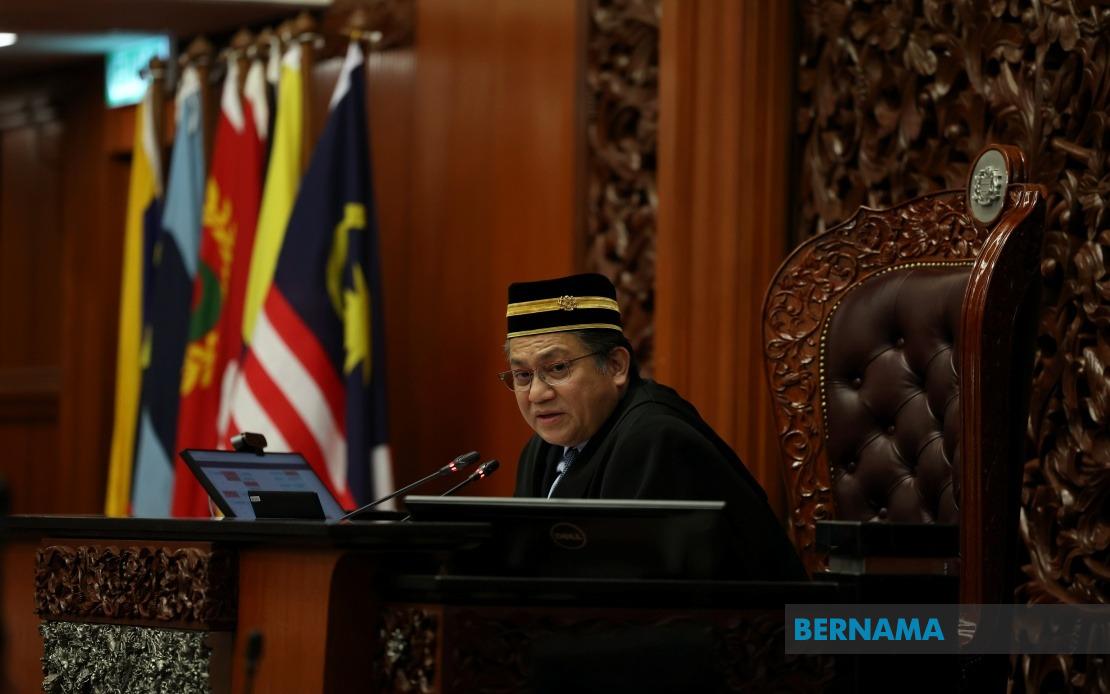
Datuk Nur Jazlan Mohamed has secured a second term as Deputy Speaker of the Dewan Negara, cementing his continued influence in Malaysia's upper parliamentary chamber. The 60-year-old senator's reappointment was confirmed on July 20 following a formal nomination process, with his three-year mandate running through to June 14, 2029. This reconfirmation underscores the stability of parliamentary leadership arrangements despite Malaysia's complex political landscape, where Senate positions carry particular significance in representing state interests and providing constitutional safeguards.
The nomination came from Higher Education Minister Datuk Seri Zambry Abd Kadir, acting on behalf of Prime Minister Datuk Seri Anwar Ibrahim. This procedural arrangement reflects the coordination between the executive and legislative branches in maintaining Senate operations, though the nomination itself was unopposed, indicating broad consensus on Nur Jazlan's suitability for the role. His appointment was formally ratified by His Majesty the Yang di-Pertuan Agong before the question and answer session at the Dewan Negara chamber.
Nur Jazlan brings substantial parliamentary experience to his deputy speaker responsibilities. Previously serving in the role since June 2023, he represents continuity in a position that demands diplomatic skill and procedural expertise. Before his Senate career, he served as Deputy Home Minister from 2015 to 2018 and represented the Pulai parliamentary constituency for fourteen years until 2018, giving him deep familiarity with legislative processes across both chambers. His background in executive government brings valuable perspective to his current oversight responsibilities within the upper house.
Within UMNO, Malaysia's dominant political party, Nur Jazlan holds significant standing as a Supreme Council member and chief of the Pulai Division. These positions reflect his continued relevance within party structures even after stepping away from direct parliamentary representation in his home constituency. His elevation to a second Senate term signals UMNO's confidence in his abilities and may indicate his continued involvement in senior party deliberations, particularly given his previous ministerial portfolio in the sensitive Home Affairs portfolio.
Alongside Nur Jazlan, fellow senator Mussodak Ahmad also secured reappointment on the same day. Mussodak, representing Kedah interests and serving as PAS secretary in the state, received his reappointment through the Kedah State Legislative Assembly for a period extending to March 19, 2029. His continued tenure reflects the multiparty nature of Senate appointments, with positions distributed across coalition partners to ensure representative diversity. Mussodak had previously contested state seats at Bayu and Guar Chempedak, indicating his engagement with both state-level and federal politics.
The Senate's composition and leadership structure carry particular importance within Malaysia's constitutional framework. As an institution that reviews legislation and represents state perspectives, the upper house serves as a counterbalance to the more populous Lower House. Deputy Speaker positions require individuals capable of managing parliamentary debates, maintaining procedural order, and facilitating consensus-building among senators from diverse political backgrounds. Nur Jazlan's retention in this role suggests his effectiveness in these demanding functions.
The parliamentary calendar indicates that the current Senate sitting period, designated the Second Meeting of the Fifth Term under the 15th Parliament, will extend for ten days from July 20 through August 4. This relatively concentrated session schedule reflects contemporary parliamentary practice, with substantive legislative work conducted during defined periods rather than continuous sittings. During this period, Nur Jazlan's responsibilities as deputy speaker will include presiding over debates, managing procedural matters, and potentially mediating between opposing viewpoints among the Senate's diverse membership.
Nur Jazlan's reappointment comes at a time of relative political stability in Malaysia, with the government under Prime Minister Anwar Ibrahim maintaining parliamentary support through coalition arrangements. The smooth processing of his nomination without opposition contrasts with more contentious leadership elections in other democratic chambers, suggesting institutional acceptance of his stewardship. This stability in parliamentary leadership provides a foundation for legislative work to proceed with minimal procedural disruptions.
The broader significance of these appointments extends to Malaysia's federal system and centre-state relationships. Senate seats allocated through state legislative assemblies, as with Mussodak's position, maintain direct links between state governments and federal legislative processes. This mechanism ensures that state-level concerns receive consideration at the national level and that smaller states maintain influence proportionate to their constitutional standing. The reappointment of both senators reflects commitment to maintaining these institutional connections.
Looking forward, Nur Jazlan's three-year tenure through mid-2029 provides continuity that may facilitate legislative initiatives requiring sustained parliamentary engagement. His experience navigating diverse party interests and managing Senate procedures positions him well to address emerging policy challenges. Whether the government pursues constitutional amendments, major legislative reforms, or addresses contentious issues requiring upper house review, deputy speaker leadership proves consequential in determining whether proceedings remain orderly and inclusive.

