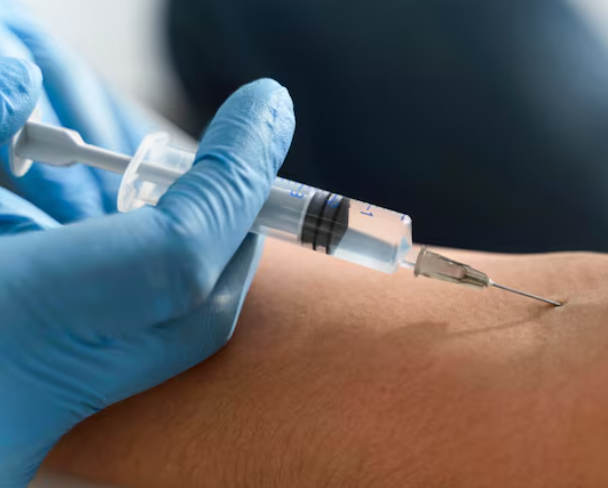
A 32-year-old nurse employed at a private hospital in Nizamabad district, Telangana, faces serious charges after authorities allege she poisoned her husband through a lethal intravenous injection. The accused, identified as Sandhya, is suspected of deliberately administering a mixture of toilet cleaning liquid and crushed sedatives into her husband Dayini Prashanth's IV cannula on June 30, according to investigators who uncovered the case following a complaint filed by the victim's mother.
Prashanth, 35, had recently returned to his home state after spending two years working in the Gulf region. His decision to remain in India rather than return abroad to continue employment reportedly triggered his wife's actions. According to police statements, Sandhya viewed her husband's permanent return as an impediment to her extramarital involvement with a man named Anil, 35, and sought to eliminate him to preserve that relationship. The conspiracy allegedly involved Anil's associate, Venkat Sai, commonly known as Bunty, who played an active role in executing the murder plot.
The circumstances surrounding Prashanth's death reveal a calculated two-stage plan that initially failed before succeeding through alternative means. On June 29, one day before the fatal injection, Sai visited the family residence and deliberately intoxicated Prashanth with alcohol. Following police accounts, Sai then escorted the inebriated man to the building's terrace where, acting on telephonic instructions from Sandhya, he pushed Prashanth from the rooftop. The fall was severe enough to cause serious injuries, yet remarkably, Prashanth survived the initial attempt on his life.
Recovering from his injuries, Prashanth found himself vulnerable to further deception. Sandhya convinced her husband that his fall from the terrace resulted from his own intoxication rather than a deliberate act of violence. She facilitated his admission to a government hospital and later arranged for his transfer to a private facility. After discharge, he returned home where he remained under his wife's care during the recovery period. This positioning proved fatal, as Sandhya's nursing background and access to medical equipment positioned her to execute the next phase of the conspiracy.
Utilising her professional training, Sandhya prepared to administer intravenous fluids at home—a seemingly routine medical procedure that masked her true intentions. On June 30, she injected a toxic compound containing both toilet cleaning solution and crushed sleeping medication directly into the IV cannula running into her husband's veins. Following the injection, she reportedly pushed Prashanth from his cot, an action that contributed to his death. The combination of chemical poisoning and physical trauma proved sufficient to accomplish what the rooftop assault had failed to achieve.
Initially, Sandhya attempted to attribute her husband's death to complications arising from his earlier fall from the terrace. She portrayed his deterioration as a natural consequence of the injuries he had sustained and the general weakness that followed hospitalisation. This narrative might have succeeded in masking the true circumstances were it not for the intervention of Prashanth's mother, who lived separately from the couple and harboured growing suspicion about the actual cause of death.
The victim's mother filed a formal complaint with police that prompted investigators to examine the circumstances surrounding Prashanth's demise more thoroughly. Her willingness to challenge the official account and demand clarification revealed inconsistencies in Sandhya's explanation. The investigation that followed uncovered the complete scope of the conspiracy, from the initial rooftop incident through to the lethal injection, establishing a pattern of premeditated murder involving multiple perpetrators.
This case underscores the particular vulnerability faced by individuals whose intimate partners possess medical training and access to pharmaceutical or toxic substances. Sandhya's professional position as a nurse granted her both knowledge of lethal injection methods and legitimate access to medical equipment and intravenous delivery systems that an ordinary person would lack. The abuse of professional credentials to commit intimate partner homicide represents an emerging concern within the Indian healthcare system.
For Malaysian readers, the case illustrates how the combination of marital discord, extramarital relationships, and professional medical access can create dangerous situations. While such extreme cases remain rare, the circumstances highlight the importance of family awareness and the willingness of relatives to question unexplained deaths, particularly when they occur within suspicious timeframes or involve unexplained deterioration after initial recovery from accidents. The investigation also demonstrates how proper forensic examination of suspicious deaths, rather than accepting convenient explanations tied to pre-existing conditions or injuries, remains essential for ensuring justice.

