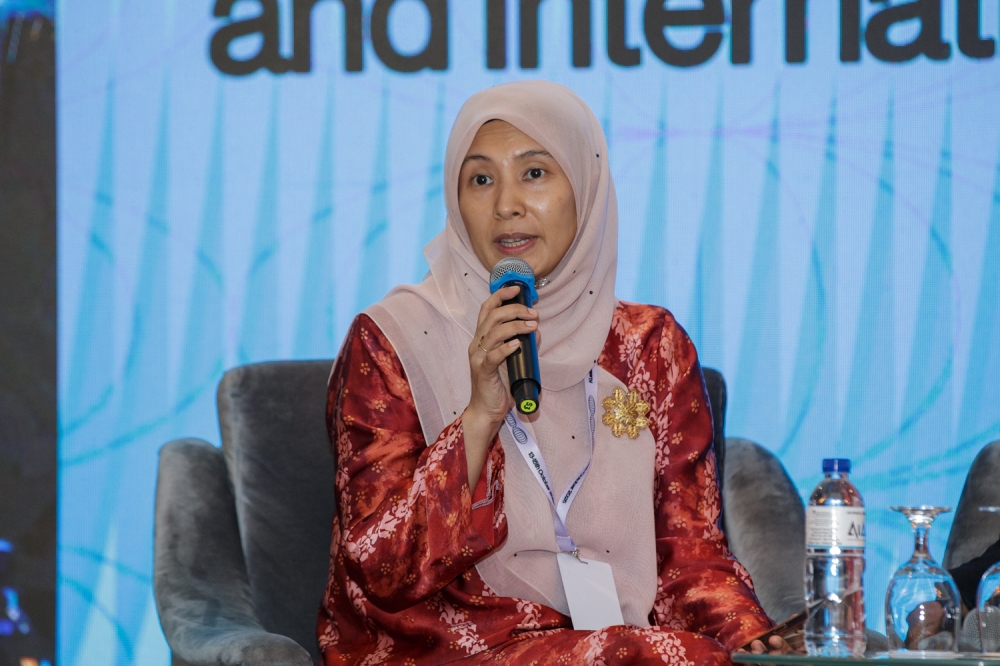
Nurul Izzah Anwar, the deputy president of Parti Keadilan Rakyat (PKR), has announced her resignation from the party leadership post to pursue academic commitments. The daughter of PKR president Anwar Ibrahim made the announcement in Kuala Lumpur, signalling a significant shift in her political trajectory and suggesting a deliberate recalibration of her priorities away from day-to-day party management.
The decision marks a notable moment for PKR, which has been navigating complex internal dynamics and leadership succession planning in recent years. As deputy president, Nurul Izzah occupied one of the party's most senior positions, placing her at the centre of strategic decision-making and policy formulation. Her departure creates a vacancy that will need to be addressed through party mechanisms and may prompt discussions about leadership restructuring within the organisation.
Nurul Izzah's choice to deprioritise her formal party role in favour of educational pursuits reflects a broader pattern among political leaders seeking to strengthen their intellectual credentials and personal development outside the immediate demands of governance. The pursuit of further studies at this juncture suggests she may be considering the long-term trajectory of her political career and the value of academic expertise in shaping future policy positions and public discourse.
For PKR, the timing of this transition occurs against a backdrop of evolving political alignments in Malaysia. The party remains a critical component of the coalition infrastructure, and changes in its leadership structure inevitably generate questions about succession, internal power dynamics, and the direction of the organisation. Nurul Izzah's willingness to step aside demonstrates a pragmatic approach to managing competing demands, though it also raises considerations about the party's bench strength and the development of next-generation leaders.
From a broader Malaysian political perspective, the resignation illustrates how senior party figures are increasingly balancing multiple commitments and long-term career planning. Unlike earlier eras when party leadership was viewed as a full-time, all-consuming responsibility, contemporary political actors often pursue parallel tracks that include academic advancement, professional expertise development, and personal fulfilment alongside their public duties.
The departure of Nurul Izzah also underscores the importance that political leaders now place on intellectual preparation for higher office. The investment in formal education signals confidence in her future role within the party and wider political sphere. This pattern aligns with international trends where political leaders seek to augment their credentials through advanced qualifications and scholarly engagement, enhancing their authority and credibility when returning to active leadership positions.
For PKR members and supporters, the announcement requires a period of adjustment as the party identifies a successor who can command party unity and advance the organisation's strategic objectives. The selection process will be closely watched, as it may indicate how the party intends to balance continuity with renewal, and whether it looks to elevate existing senior figures or introduce fresh voices into the leadership echelon.
Nurul Izzah's decision to step down also occurs within the context of her family's prominent role in Malaysian politics. As the daughter of the PKR president, her career trajectory has always attracted significant scrutiny and speculation. By taking time away from formal party responsibilities to pursue studies, she is asserting agency over her own professional development and resisting assumptions that her political involvement must remain constant or uninterrupted.
The implications for regional politics in Southeast Asia are noteworthy as well. Malaysia's political movements continue to influence broader democratic conversations across the region. Leadership transitions and shifts in how major political figures allocate their time offer insights into the evolving nature of political engagement and the relationship between electoral competition, governance demands, and personal development in emerging democracies.
Looking forward, Nurul Izzah's sabbatical from the deputy presidency may be temporary or permanent, depending on her academic trajectory and changing circumstances. Political observers will monitor both her scholarly progress and any signals about her future involvement in PKR's leadership structure. The move represents a calculated reassessment of priorities that may ultimately strengthen her position within the party by providing new expertise and perspective that she can bring to bear on future policy challenges.
The broader lesson for Malaysian politics is that senior party positions are no longer necessarily permanent career anchors. Political leaders increasingly view their roles as dynamic and subject to periodic reassessment in light of personal goals and changing historical circumstances. Nurul Izzah's decision to pursue studies while stepping back from her deputy presidency demonstrates this flexibility and suggests that Malaysian political leadership is becoming more fluid and nuanced in its approach to balancing multiple dimensions of a public career.

