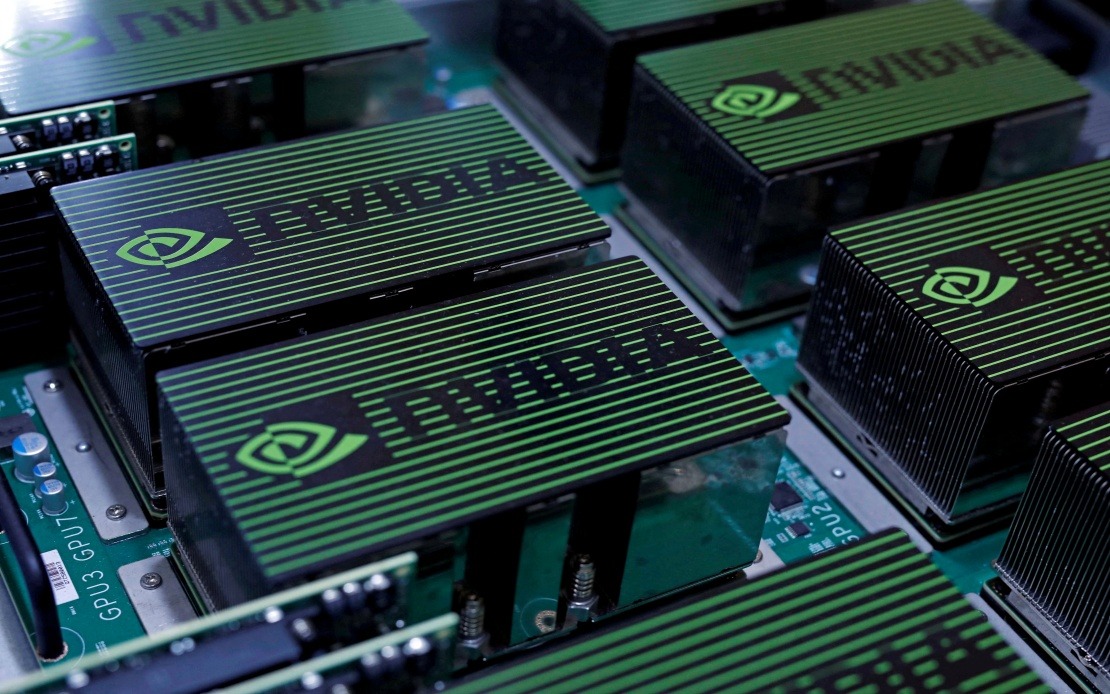
Nvidia, the world's dominant supplier of artificial intelligence processors, has substantially contracted its approved customer base across Asia, reducing buyer numbers by more than half as stricter United States export controls take effect. The sweeping move reflects intensifying American efforts to seal pathways through which sophisticated AI hardware might transit to China, circumventing existing restrictions designed to safeguard semiconductor leadership. The restructuring signals a pivotal shift in how technology distribution operates across one of the world's most dynamic regions, with immediate consequences for businesses and governments seeking to advance their artificial intelligence capabilities.
The technology giant has implemented heightened due-diligence protocols across three major Asian markets—Singapore, Malaysia, and Japan—according to recent reporting on Tuesday. These screening mechanisms represent a significant departure from Nvidia's previous customer approval framework, demonstrating the company's determination to comply with evolving American national security directives. The enhanced vetting procedures have become necessary as Washington expands its arsenal of export restrictions aimed at preventing advanced computing power from reaching adversaries, particularly Beijing.
The company's revised approved-buyer roster excludes more than fifty percent of its previous Asian customers, though excluded firms retain the opportunity to address compliance concerns and petition for reinstatement. This pathway offers some relief to displaced businesses, suggesting Nvidia's approach is neither permanent nor irreversible. Companies understanding and rectifying whatever regulatory or operational shortcomings triggered their removal may navigate back onto the vendor list, though the uncertainty surrounding reapplication criteria introduces operational friction into the regional semiconductor market.
A significant portion of the delisted companies operate as neocloud providers—specialised infrastructure platforms designed specifically for artificial intelligence development, model training, and deployment operations. These businesses occupy a crucial position within the emerging AI economy, bridging the gap between raw computing power and practical applications across sectors from healthcare to financial services. Their removal from Nvidia's approved channels threatens to disrupt momentum in regional AI innovation, particularly for startups and mid-sized enterprises lacking the resources to secure alternative high-performance computing solutions.
For Malaysia specifically, the implications warrant careful consideration. The nation has positioned itself as a Southeast Asian technology hub, attracting cloud infrastructure investment and nurturing homegrown AI capabilities. Stricter customer screening in Kuala Lumpur's technology sector could slow the commercialisation of artificial intelligence applications in strategic industries, from manufacturing to telecommunications. Malaysian firms now face heightened scrutiny when seeking Nvidia's latest processors, potentially disadvantaging regional competitors relative to vendors in less-restricted markets.
The enforcement of these restrictions reflects Washington's broader strategic calculation regarding technology competition with China. American policymakers have grown increasingly concerned that advanced semiconductors, particularly those designed for artificial intelligence workloads, represent the foundation of future geopolitical competition. By restricting where Nvidia can sell its products, the United States attempts to preserve its technological edge while fragmenting the global semiconductor ecosystem into competing spheres of influence. This bifurcation creates winners and losers among Asian nations depending on their geopolitical alignment and trading relationships.
Singapore and Japan, as key American security partners with robust technology sectors, may experience somewhat less restrictive implementation of these controls, though both nations see significant portions of their customer bases affected. Singapore's position as a regional financial and technology centre means the approval constraints could influence capital flows into artificial intelligence ventures across Southeast Asia. Japan's technology firms, already facing intense competition from larger American and Chinese rivals, must navigate additional regulatory complexity when sourcing critical computing infrastructure.
The underlying mechanism driving Nvidia's restructuring involves Washington's determination to prevent circuitous routing of semiconductors to China through intermediate markets. History demonstrates that export controls, when improperly enforced, create incentives for transshipment schemes whereby products legally sold to one destination are subsequently redirected to prohibited ones. American authorities have identified several instances of this occurring with advanced semiconductors, prompting more intensive vetting of end-customers and use-cases before approvals issue. Nvidia's expanded screening captures this heightened vigilance.
Beyond the immediate commercial disruption, these restrictions signal to Asian governments and businesses that their access to cutting-edge American technology increasingly depends on demonstrating trustworthiness from Washington's perspective. Nations seeking to balance relationships between the United States and China face uncomfortable choices as technology becomes explicitly weaponised in great-power competition. For Malaysia and other Southeast Asian countries attempting to maintain pragmatic ties with multiple powers, the message carries particular weight: choosing which technology ecosystems to join entails geopolitical consequences.
The restructuring also highlights Nvidia's precarious position as a nominally private American company increasingly conscripted into serving state strategic objectives. While the company complies with legal export restrictions, the scope and speed of customer delisting suggests corporate enthusiasm for compliance, possibly reflecting board-level determination to maintain Washington's goodwill. Other technology firms operating in Malaysia and across Asia will observe these developments closely, preparing for similar interventions in their own product distribution networks.
Looking forward, Asian businesses previously on Nvidia's approved lists should anticipate similar screening across other American semiconductor suppliers and technology vendors. The Australian semiconductor firm Broadcom and various American cloud infrastructure providers already operate under comparable restrictions. Malaysian enterprises depending on American technology must factor escalating compliance costs and longer sales cycles into their business planning, potentially encouraging greater investment in indigenous technological capabilities or alternatives from vendors outside the American sphere.

