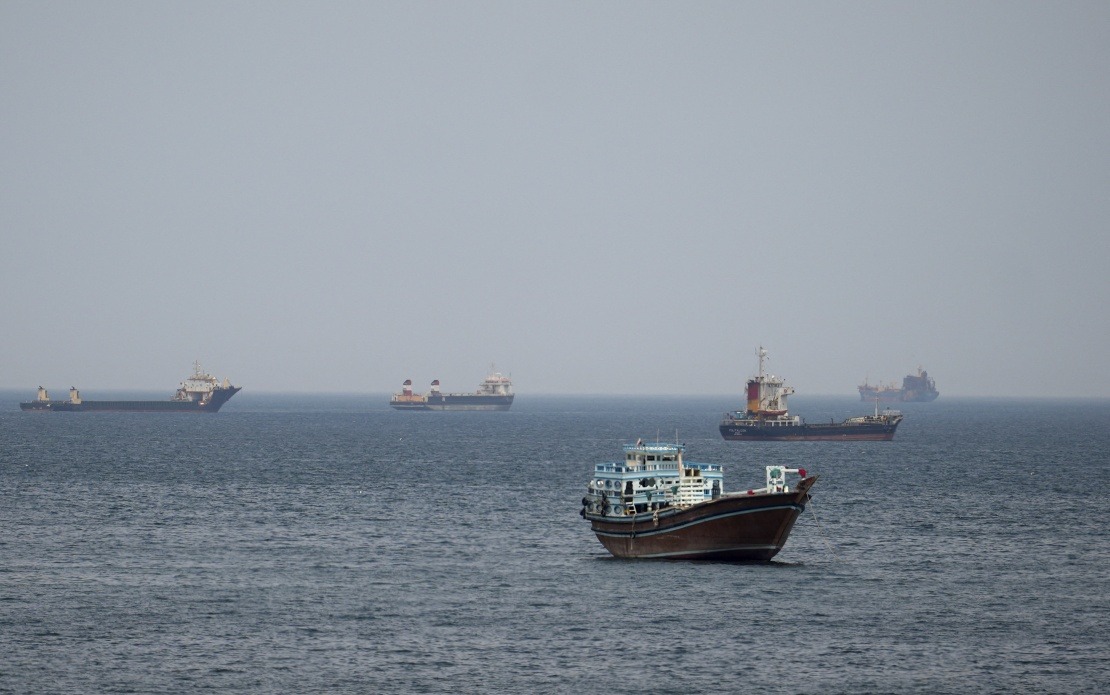
An interim agreement to end hostilities between the United States and Iran formally commenced on Thursday, enabling resumed traffic through the Strait of Hormuz and triggering the steepest decline in crude valuations since the conflict erupted on February 28. The breakthrough marks a dramatic reversal after nearly four months of military engagement, though it leaves several critical disputes unaddressed and raises persistent doubts about the durability of the arrangement.
The reopening of shipping lanes through the waterway, which transports roughly one-fifth of all globally traded petroleum, represents the most immediate economic consequence of the ceasefire. Market analysts anticipate that normal export flows can be restored within weeks, substantially easing supply constraints that have pressured energy costs throughout the region. For Malaysia and other Southeast Asian economies dependent on stable energy markets, the prospect of returning to pre-conflict pricing provides meaningful relief from inflationary pressures that had accumulated during the blockade.
Yet the agreement's fragility became apparent almost immediately. Israeli forces launched fresh airstrikes on Lebanon early Thursday morning, directly contradicting the ceasefire's mandate for a comprehensive halt to regional hostilities. The continued military action suggests that President Donald Trump's capacity to enforce compliance among his regional allies remains limited, particularly regarding an Israeli government that was excluded from the negotiation process entirely. This disconnect between the formal peace arrangement and ground realities underscores the precarious foundation upon which the entire accord rests.
The 60-day framework established by the deal provides negotiators with a narrow window to resolve outstanding disputes over Iran's nuclear programme—ostensibly Trump's original justification for launching military operations. Washington has committed to assembling a $300 billion reconstruction fund alongside additional financial incentives to facilitate Iranian cooperation on this dossier. US Vice President JD Vance, tasked with leading American negotiators, has signalled that Washington will simultaneously press Tehran to accept constraints on its long-range missile capabilities, effectively expanding the negotiating agenda beyond nuclear questions.
Iran's Supreme Leader Ayatollah Moitaba Khamenei struck a decidedly sceptical tone regarding the prospects for successful nuclear negotiations. In a written statement, he characterised Trump's acceptance of the ceasefire as a capitulation born of "desperation" and explicitly warned that Tehran would reject any American demands perceived as excessive. His language suggests that Iran enters these talks from a position of considerable confidence, having endured a sustained military campaign from the world's preeminent superpower without capitulating to its original demands for unconditional surrender.
Trump's initial war objectives have proven largely unachieved, a reality that has prompted sharp criticism from Republican allies in Congress questioning whether the president surrendered too readily. When launching the conflict nearly four months prior, Trump articulated four distinct aims: dismantling Iran's nuclear weapons capacity, preventing Iranian strikes against neighbouring states, curtailing Tehran's support for regional militant organisations, and creating conditions for internal regime change. The interim agreement accomplishes none of these stated purposes, instead granting Iran valuable concessions including temporary sanctions relief.
Iran has secured particular strategic advantage regarding the Strait of Hormuz, retaining authority to issue transit permits and direct shipping traffic during the 60-day negotiation period. Although Tehran has agreed not to impose charges for this regulatory function during the interim phase, the arrangement acknowledges Iran's de facto control over this critical chokepoint. For global energy markets and Southeast Asian energy importers, this Iranian regulatory authority introduces an additional layer of unpredictability, as Tehran's goodwill remains essential for maintaining uninterrupted petroleum flows.
The Lebanese dimension of the conflict presents perhaps the most immediate threat to the ceasefire's longevity. More than one million civilians have been displaced by Israeli military operations, yet the Israeli government has explicitly rejected expectations of territorial withdrawal and released maps depicting an expanded occupation zone. This intransigence contradicts the agreement's explicit provision mandating Lebanon's "territorial integrity and sovereignty," creating a fundamental incompatibility between what the accord demands and what Israel appears prepared to accept.
Trump has grown increasingly vocal in criticising Israeli operations, openly declaring that Tel Aviv is jeopardising its relationship with its most powerful international ally. His statement—that attacking America while simultaneously alienating Washington would constitute a catastrophic strategic error—carries particular weight given the unprecedented depth of US-Israeli military cooperation. Yet the sharp rhetoric has not translated into concrete action compelling Israeli compliance, suggesting that American leverage over Israeli military operations remains constrained despite rhetorical pressure.
For Malaysia and the broader Southeast Asian region, the ceasefire's stability directly impacts energy security and economic stability. Any breakdown in the agreement risks reigniting conflict and reimposing blockades on a waterway through which substantial quantities of regional petroleum transit. Furthermore, the unresolved nuclear question and persistent Israeli-Lebanese hostilities create conditions for rapid escalation should diplomacy falter during the next 60 days. Regional policymakers must monitor negotiation progress closely while preparing contingency strategies should the interim arrangement collapse.
The Supreme Leader's combative negotiating posture and explicit rejection of American demands signal that the upcoming nuclear discussions will prove contentious and potentially protracted. Iran's demonstrated resilience during the military campaign may have strengthened its negotiating hand, but it has simultaneously raised nationalist expectations within Iran regarding the quality of any eventual settlement. This domestic political dynamic could complicate compromise and push Tehran toward maximalist positions that American negotiators find unacceptable.
Traditional sources of American influence—military superiority and economic sanctions—appear to have generated insufficient pressure to achieve Trump's original war aims. Iran's survival of the conflict intact, coupled with its maintained control of critical maritime infrastructure, suggests that unconventional leverage and creative diplomacy will prove necessary to resolve the underlying disputes. Whether the 60-day framework provides sufficient time and incentive for such diplomacy to succeed remains profoundly uncertain, as does the ultimate resilience of an agreement negotiated under such inauspicious circumstances.

%22%2F%3E%3C%2Fpattern%3E%3C%2Fdefs%3E%3Crect%20width%3D%22100%25%22%20height%3D%22100%25%22%20fill%3D%22url(%23phy0vqg)%22%2F%3E%3Crect%20width%3D%22100%25%22%20height%3D%22100%25%22%20fill%3D%22url(%23phy0vqp)%22%2F%3E%3Ctext%20x%3D%2250%25%22%20y%3D%2250%25%22%20text-anchor%3D%22middle%22%20dominant-baseline%3D%22central%22%20fill%3D%22rgba(255%2C255%2C255%2C0.95)%22%20font-family%3D%22Georgia%2C%20'Times%20New%20Roman'%2C%20serif%22%20font-weight%3D%22700%22%20font-size%3D%22170%22%20letter-spacing%3D%22-0.02em%22%3EMalaysia%3C%2Ftext%3E%3C%2Fsvg%3E)