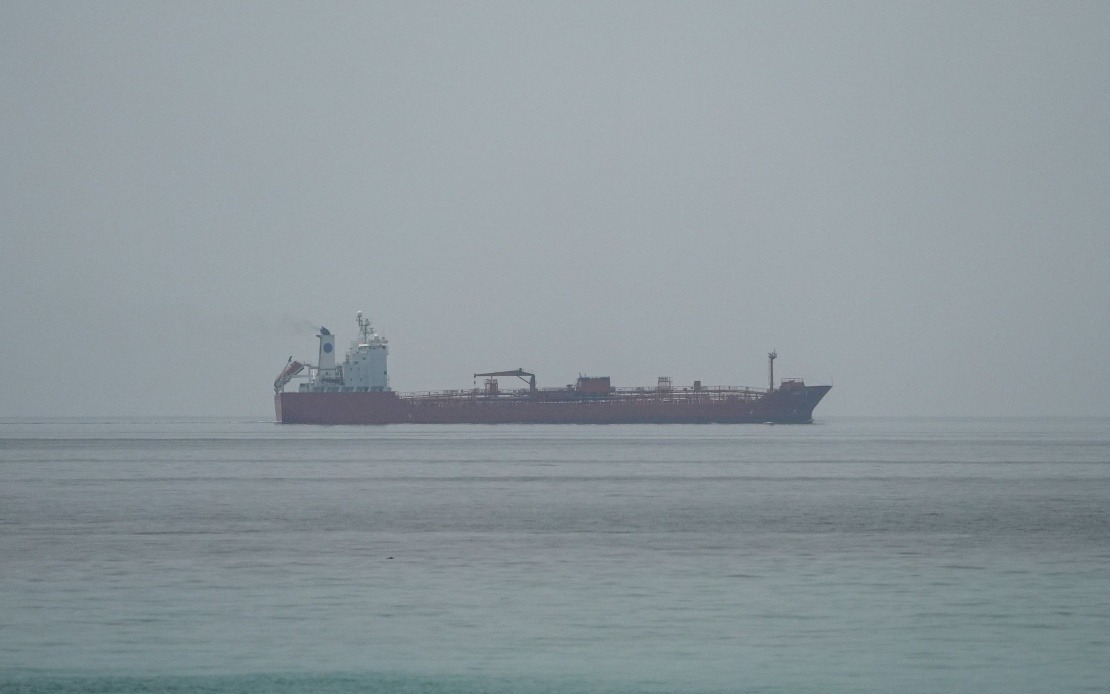
Oman has emerged as a strong regional advocate for the recently concluded memorandum of understanding between the United States and Iran, with Omani Foreign Minister Badr Albusaidi publicly endorsing the agreement during a high-level Gulf Cooperation Council consultation meeting held in Bahrain. Albusaidi's declaration carries particular weight given Oman's strategic positioning as a Strait of Hormuz coastal state, positioning the sultanate as a crucial stakeholder in one of the world's most vital maritime chokepoints.
The endorsement carries immediate implications for maritime security in the region. Albusaidi underscored that Oman views its geographic proximity to the strait as imposing a special obligation to champion international initiatives aimed at guaranteeing unobstructed shipping lanes in accordance with established maritime law and the UN Convention on the Law of the Sea. This positioning reflects Oman's traditional diplomatic role as a bridge-builder between Iran and its Gulf neighbours, a reputation the sultanate has carefully cultivated over decades.
Central to Oman's commitment is an explicit pledge that future arrangements governing the Strait of Hormuz will impose no tolls or passage fees on commercial traffic. This assurance directly addresses one of the most contentious potential outcomes of any regional dispute—the weaponisation of shipping costs through the waterway. By guaranteeing free transit, Oman seeks to stabilise expectations for the global maritime community and, by extension, energy markets that depend on reliable oil and liquefied natural gas flows through the strait.
The timing of Oman's public support is significant, arriving as the region digests a tumultuous cycle of military escalation that has dominated West Asian geopolitics over recent months. In late February, coordinated US and Israeli military operations struck Iranian targets, prompting immediate Iranian retaliation against Israel and facilities housing American military personnel across the broader region. These tit-for-tat exchanges raised the spectre of wider conflict and disruption to global trade, particularly alarming given the strait's role in channelling roughly one-third of seaborne oil trade internationally.
The Iran-US accord, which formally took effect on June 18 following electronic signature by Iranian President Masoud Pezeshkian and US President Donald Trump, emerged through mediation efforts led by Pakistan. The 14-point understanding represents a significant diplomatic achievement in defusing immediate tensions, though observers remain cautious about its durability. The agreement's scope extends beyond maritime issues, encompassing commitments to cease hostilities across multiple theatres including Lebanon, whilst also mandating the reopening of the Strait of Hormuz and the lifting of the US naval blockade imposed on Iran.
For Malaysian and wider Southeast Asian stakeholders, the restoration of stable conditions in the Strait of Hormuz carries outsized importance. The region depends heavily on energy imports channelled through this waterway, and any disruption—whether through military action or the imposition of arbitrary transit fees—reverberates throughout regional economies. Malaysia's manufacturing sector, power generation infrastructure, and overall economic competitiveness remain vulnerable to oil price shocks triggered by maritime instability in the Middle East.
Oman's diplomatic intervention reflects broader GCC-US coordination mechanisms designed to manage regional security challenges. These regular ministerial consultations facilitate dialogue on everything from counterterrorism to economic partnerships, providing institutional channels for addressing contentious issues before they escalate. The Bahrain meeting exemplifies how traditional security architecture, despite strains in recent years, continues to function as a forum for managing divergent interests.
The agreement also carries implications for Iran's re-engagement with international maritime commerce. The lifting of the naval blockade and reopening of the strait represent significant concessions by Washington, potentially signalling a broader recalibration of US Middle East strategy. For Iranian exporters and importers, resumption of unimpeded transit offers opportunities to expand trade relationships and rebuild economic capacity following years of sanctions pressure.
However, durability remains uncertain. The accord's success hinges on sustained commitment from multiple parties with conflicting strategic objectives. Any renewal of Israeli-Iranian tensions, further escalation in proxy conflicts, or shifts in US administration priorities could jeopardise the agreement's implementation. Oman's guarantee of fee-free transit, whilst reassuring, cannot insulate the strait from geopolitical turbulence beyond maritime issues per se.
The broader regional context suggests that Thursday's endorsement reflects cautious optimism rather than transformative confidence. GCC states, historically divided in their approaches to Iran, appear willing to engage pragmatically with arrangements that restore stability and protect shipping lanes essential to their own prosperity. Oman's role as guarantor of free passage positions the sultanate as a custodian of international maritime norms, a responsibility that enhances its diplomatic standing.
For the international business community and energy markets, Oman's formal pledge offers tangible reassurance that the strait's critical function will be preserved. This provides a foundation for investment and trade planning, though prudent actors will continue monitoring the agreement's implementation and regional developments closely. The pledge essentially commits Oman to using its influence to prevent any backsliding into fee-based transit regimes that would effectively weaponise maritime access.
Moving forward, the test of this agreement lies in implementation across multiple contested fronts simultaneously. Maritime security improvements alone cannot guarantee overall stability, yet they represent an essential foundation. Oman's willingness to stake its diplomatic credibility on free passage through the Strait of Hormuz signals confidence that the broader Iran-US understanding possesses sufficient depth to accommodate the interests of regional players concerned with economic continuity and geopolitical predictability.

