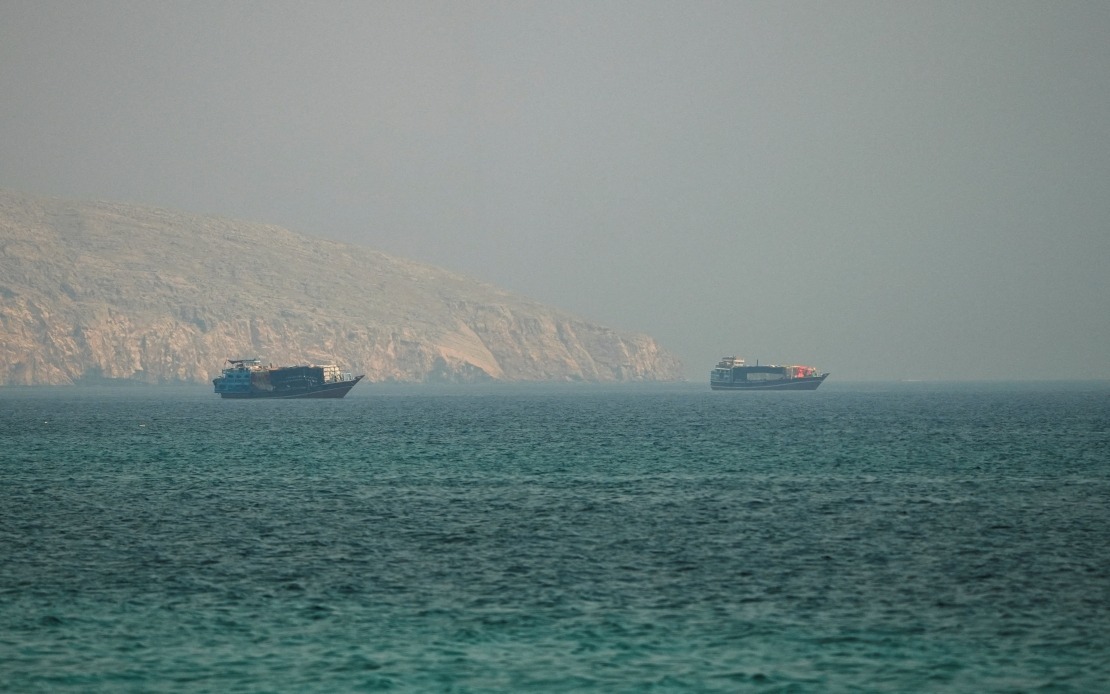
Oman has formally declared its opposition to mandatory transit fees for vessels navigating the Strait of Hormuz, instead favouring voluntary arrangements for navigational support services. The position was articulated by an Omani representative at the 137th session of the International Maritime Organisation Council in London this week, signalling Muscat's effort to chart a middle path amid escalating regional disputes over the world's most strategically important shipping lane.
The Omani government's stance represents a careful diplomatic manoeuvre in an increasingly tense situation. Recent reports indicated that Oman had quietly submitted a proposal to the United States and other Western nations advocating for a voluntary contribution framework rather than compulsory tolls. This approach would allow shipping companies to pay service charges on a discretionary basis, fundamentally altering the coercive nature of any levy system. The proposal explicitly draws inspiration from existing voluntary contribution models operating in the Strait of Malacca and Singapore, two of Asia's busiest maritime corridors that have successfully managed transit arrangements without mandatory fees.
Oman's insistence on adhering to international maritime law principles reflects broader concerns about preserving freedom of navigation through waters that are geopolitically fraught. The Strait of Hormuz handles approximately one-third of global seaborne traded oil, making it critical infrastructure for international commerce and energy security. By emphasising the principle of transit passage enshrined in international law, Oman seeks to prevent any arrangement from appearing to legitimise the unilateral imposition of charges that could be construed as toll collection rather than service fees.
The distinction between voluntary contributions and mandatory tolls carries profound implications for regional stability and global trade. Mandatory fees would essentially grant Iran—or any authority controlling the waterway—a revenue stream from international commerce passing through its territory. Voluntary arrangements, by contrast, preserve the legal fiction that payment is optional, thereby avoiding the appearance of a unilateral imposition that might provoke international confrontation or legal challenges. For Malaysia and other Southeast Asian nations dependent on energy imports via the Strait of Hormuz, this distinction matters significantly, as mandatory tolls could cascade into higher shipping costs eventually reflected in fuel prices and supply chain economics.
At the same time, the IMO Council meeting revealed the depth of international disagreement over the issue. The United Arab Emirates and several allied nations submitted a formal proposal condemning what they characterised as transit tolls already being imposed by Iran on passing vessels. This counter-proposal reflects Western and regional allied concerns that Iran may already be extracting unofficial charges or security payments from shipping companies, effectively operating a de facto toll system without formal legitimacy under international law.
Iran's response centred on claims that it has been conducting consultations with Oman on management arrangements and coordination measures for administering the waterway in accordance with international and national regulations. The Iranian position suggests ongoing negotiations, indicating that the situation remains fluid rather than settled. Oman's prominent role as an intermediary hints at its potential capacity to broker solutions acceptable to multiple parties—a position that reflects its geographic location, relative diplomatic neutrality, and historical ties across the Gulf.
The Strait of Malacca parallel carries particular relevance for Malaysia. That waterway, through which approximately 25 percent of global maritime trade and one-third of oil shipments pass, operates under a cooperative framework involving Malaysia, Singapore, and Indonesia. The three nations coordinate on navigation, security, and environmental protection without imposing mandatory transit tolls. The system relies instead on voluntary contributions, port fees, and service charges for optional navigational assistance. This model has proven both economically sustainable and politically acceptable, making it an instructive precedent for potential arrangements elsewhere.
For Malaysian policymakers and business interests, Oman's proposal carries strategic weight. Any mandatory toll system through the Strait of Hormuz would effectively constitute a new tax on energy imports and manufactured goods transiting the waterway, ultimately impacting Malaysia's economy. Voluntary arrangements preserve flexibility for shipping companies and reduce the risk of retaliatory measures or escalating regional tensions that could disrupt commerce more severely than any formal fee structure. Malaysia's interest in maintaining stable, open sea lanes—critical for its position as a maritime trading nation—aligns directly with Oman's stated commitment to preserve safe, unimpeded maritime passage.
The timing of these discussions reflects heightened regional instability. Recent incidents involving reported attacks on commercial vessels, claims of harassment by maritime forces, and broader geopolitical tensions between Iran and Western powers have created urgency around formalising maritime arrangements. An internationally recognised, voluntary contribution system would provide both legitimacy and predictability—allowing shipping companies to budget for costs while avoiding the appearance of submission to unilateral impositions that might be challenged or resisted.
Oman's continued engagement with the IMO and its commitment to working with member states to strengthen maritime supply chain resilience signals that Muscat intends to remain actively involved in resolving this dispute. The nation's geographic position at the entrance to the Persian Gulf and its diplomatic relationships across regional divides position it uniquely to influence outcomes. However, the fundamental tension between Iran's apparent desire for revenue generation and international insistence on freedom of navigation remains unresolved, suggesting that negotiations will likely extend well beyond the IMO Council session.
The precedent being established here extends beyond the Strait of Hormuz. How maritime powers and organisations respond to requests for transit fees in strategic chokepoints will influence global shipping practices for decades. A successful voluntary arrangement could legitimise such systems elsewhere; conversely, failed negotiations might lead to unilateral action and international fragmentation of maritime commerce. For Southeast Asian nations, particularly those with interests in maintaining stable shipping routes and access to global markets, the outcome merits close monitoring and diplomatic engagement to ensure that any resolution protects broader principles of navigational freedom.

